Understanding NLP Technology: What It Means and How It Works
Natural Language Processing (NLP) is a fascinating field at the intersection of computer science, artificial intelligence, and linguistics. It focuses on the interaction between computers and humans through natural language. The goal of NLP is to enable machines to understand, interpret, generate, and respond to human language in a way that is both meaningful and useful.
The Basics of NLP Technology
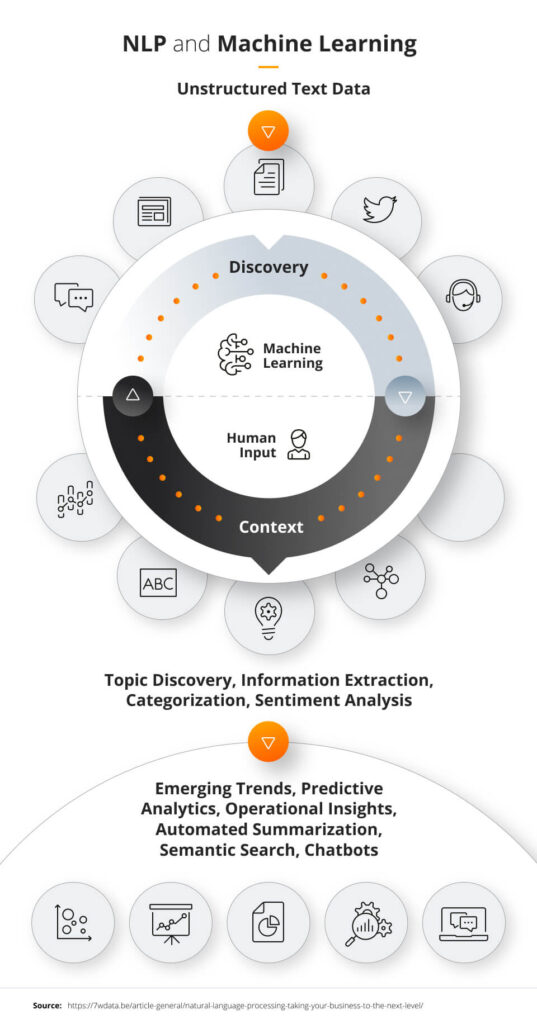
NLP technology involves several processes that allow computers to process and analyze large amounts of natural language data. These processes include:
- Tokenization: This involves breaking down text into smaller units called tokens, which can be words or phrases.
- Lemmatization and Stemming: These techniques reduce words to their base or root form. For example, “running” might be reduced to “run.”
- Part-of-Speech Tagging: This process identifies the grammatical parts of speech in a sentence, such as nouns, verbs, adjectives, etc.
- Named Entity Recognition (NER): NER identifies and categorizes key information in text such as names of people, organizations, locations, dates, etc.
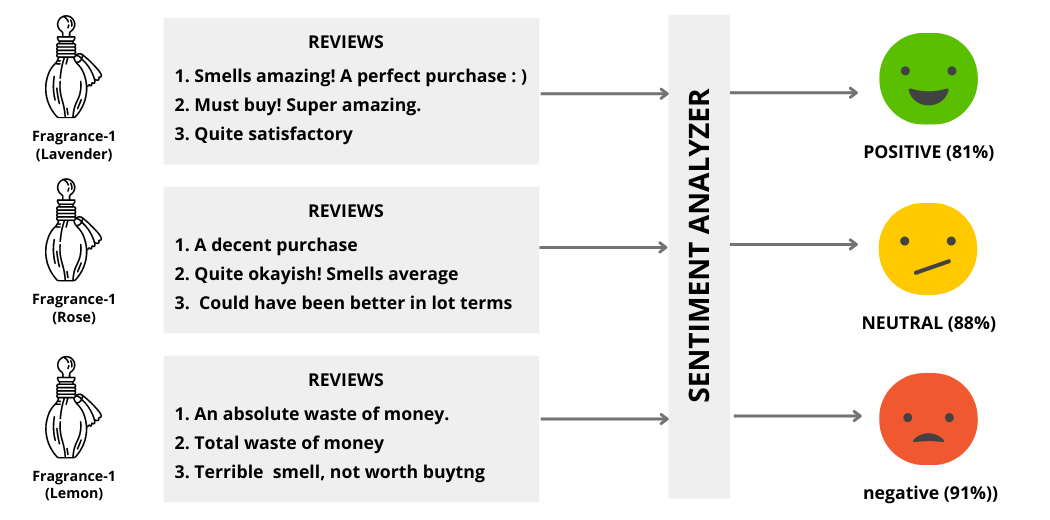
- Sentiment Analysis: This technique determines the sentiment expressed in a piece of text—whether it’s positive, negative, or neutral.
The Importance of NLP Technology
NLP technology is crucial for many applications we use today. From virtual assistants like Siri and Alexa to chatbots on customer service websites, NLP makes it possible for these systems to understand user queries and provide relevant responses. It also plays a vital role in translation services like Google Translate by enabling accurate language conversion.
NLP is also used in data analysis tools that help businesses gain insights from customer feedback or social media interactions. By analyzing sentiment and key topics from large volumes of text data, companies can make informed decisions about product development or marketing strategies.
The Future of NLP Technology
The future of NLP technology looks promising as advancements continue in machine learning algorithms and computational power. Researchers are working towards making machines understand context better so they can interpret nuances like sarcasm or idiomatic expressions more accurately. Additionally, efforts are being made to improve multilingual capabilities so that NLP tools can support an even wider range of languages globally.
As these technologies evolve further, we can expect more seamless interactions between humans and machines—making communication across different languages easier than ever before.
NLP technology holds immense potential not only for improving existing applications but also for creating new ones that enhance how we interact with information every day.
Understanding NLP Technology: Key Questions and Answers
- What does NLP technology mean?
- What is natural language processing (NLP) in simple terms?
- How does NLP technology work?
- What are common examples of NLP technology?
- What is NLP technology used for?
- What is the difference between NLP and AI?
- What are the benefits and limitations of NLP technology?
What does NLP technology mean?
NLP technology means natural language processing, a branch of artificial intelligence that helps computers work with human language. It enables software to analyze, interpret, and generate text or speech for tasks such as translation, voice assistants, chatbots, and text summarization. Although NLP can make communication with computers more natural, its results may not always capture context, tone, or meaning perfectly.
What is natural language processing (NLP) in simple terms?
Natural language processing (NLP) is technology that helps computers understand, interpret, and respond to human language. It’s what allows tools like chatbots, voice assistants, and translation apps to work with the words people type or say.
How does NLP technology work?
NLP technology works by combining language rules and machine-learning models to help computers process human language. Depending on the task, it may break text into words or smaller units, identify patterns and context, and then classify, translate, summarize, or generate language. Modern NLP systems are often trained on large collections of text, allowing them to recognize relationships between words and produce useful results, though their accuracy can vary with context, language, and the quality of the data.
What are common examples of NLP technology?
Common examples of NLP technology include virtual assistants such as Siri and Alexa, customer-service chatbots, machine translation tools, speech-to-text transcription, predictive text and autocorrect, email spam filters, and search engines that interpret queries. NLP is also used to analyze sentiment in reviews and social media posts, helping businesses understand opinions and feedback.
What is NLP technology used for?
NLP (natural language processing) technology helps computers work with human language. It’s used to power tools such as chatbots and virtual assistants, translate text, summarize documents, analyze customer feedback and sentiment, recognize speech, and sort or search large collections of text. These applications help people communicate with computers more naturally and make useful information easier to find and understand.
What is the difference between NLP and AI?
Natural Language Processing (NLP) and Artificial Intelligence (AI) are closely related fields, but they serve different purposes within the realm of technology. AI is a broad discipline that encompasses the development of systems capable of performing tasks that typically require human intelligence, such as learning, reasoning, problem-solving, and perception. NLP, on the other hand, is a specialized area within AI that focuses specifically on the interaction between computers and human language. While AI covers a wide range of applications including robotics and computer vision, NLP zeroes in on enabling machines to understand, interpret, and generate human language. Essentially, NLP can be seen as a subset of AI dedicated to bridging the gap between human communication and computer understanding.
What are the benefits and limitations of NLP technology?
NLP technology can quickly analyze large volumes of text, automate tasks such as translation, transcription, and customer support, and help people find patterns or information in language data. It can also make digital tools easier to use through conversational interfaces. However, NLP systems may misunderstand context, humor, sarcasm, idioms, or ambiguous wording, and their accuracy can vary across languages and dialects. They may also reflect biases in their training data, produce incorrect responses, and raise privacy concerns when processing sensitive information, so human review is important for high-stakes uses.