The Field of Natural Language Processing
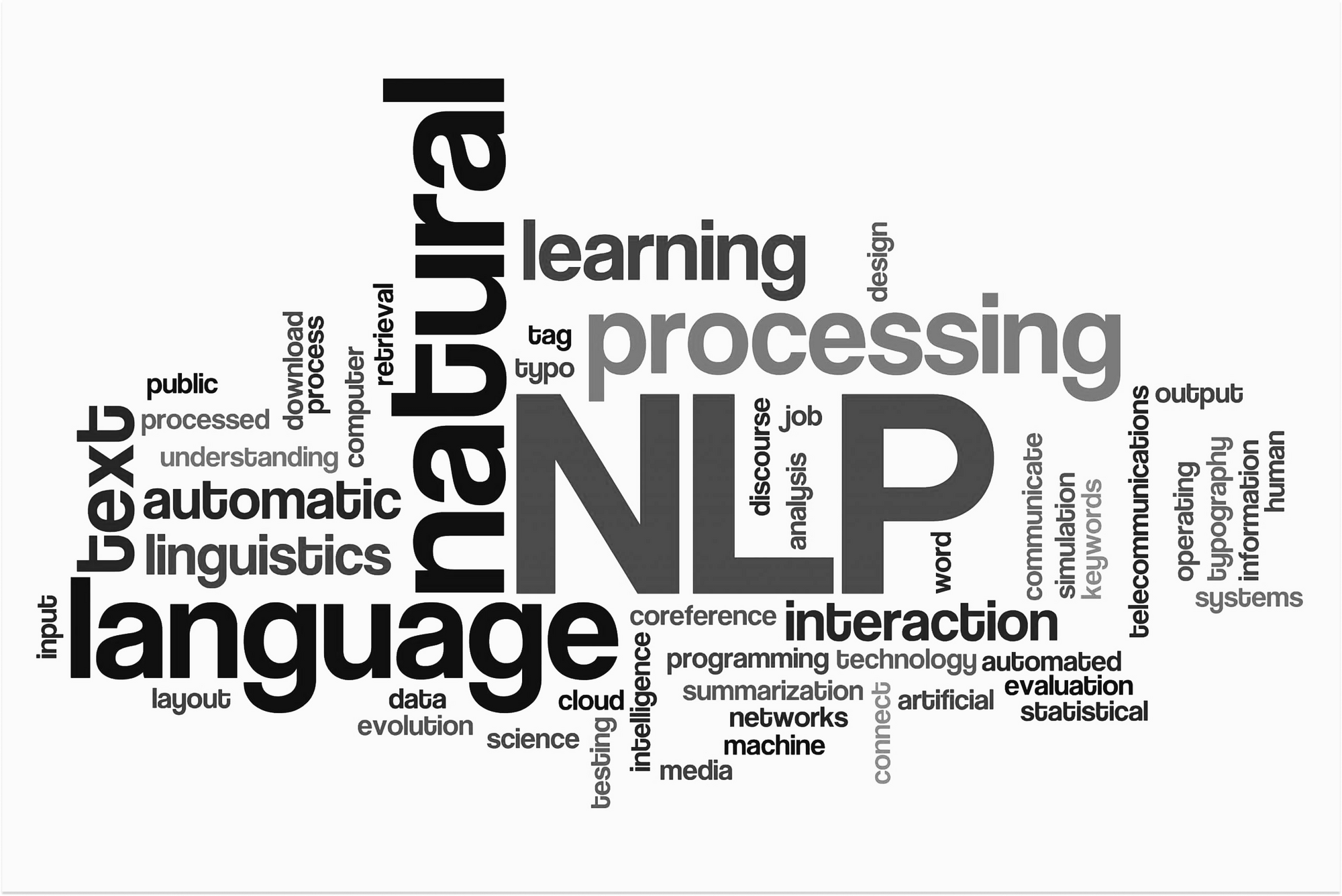
Natural language processing, or NLP, is a field of artificial intelligence focused on helping computers work with human language. It combines ideas from computer science, linguistics, statistics, and machine learning to build systems that can analyze, understand, and generate text and speech.
NLP is part of everyday life. It powers tools such as search engines, voice assistants, translation services, spam filters, chatbots, and writing aids. When a device turns spoken words into text or an app summarizes a long document, NLP is often involved.
What NLP Systems Do
Human language is flexible and context-dependent. The same word can have several meanings, and people often rely on tone, shared knowledge, or surrounding sentences to understand what someone means. NLP systems tackle specific language tasks to make this complexity more manageable, including:
- Text classification: Assigning a category to text, such as identifying a message as spam or sorting customer feedback by topic.
- Sentiment analysis: Estimating whether a passage expresses a positive, negative, or neutral attitude.
- Machine translation: Converting text or speech from one language to another.
- Information extraction: Finding details such as names, dates, locations, and organizations in documents.
- Speech recognition: Turning spoken language into written text.
- Text generation: Producing language, such as a draft, a response, or a summary.
- Question answering: Finding or composing an answer to a question based on available information.
How NLP Has Evolved
Early NLP systems often relied on hand-written rules. Developers and linguists created instructions for recognizing grammatical patterns or translating particular phrases. Rule-based approaches can be useful in narrow, predictable settings, but they are difficult to scale across languages and varied forms of communication.
Statistical methods later allowed computers to learn patterns from collections of text. Instead of relying only on manually written rules, these systems used examples to estimate which words or structures were likely in a given context. Machine learning improved tasks such as speech recognition, translation, and text classification.
More recently, deep learning has reshaped the field. Neural networks can learn complex patterns from large datasets. Transformer-based models, in particular, are designed to process relationships among words across a passage. Large language models use these techniques to generate and interpret text across a wide range of tasks, although their abilities and reliability vary by use case.
How Language Models Process Text
Computers do not read words exactly as people do. NLP systems typically convert text into smaller units called tokens. A token may be a whole word, part of a word, or a punctuation mark. The system represents these tokens in numerical form so a model can process them.
During training, a model analyzes examples and adjusts its internal parameters to learn patterns. For example, a language model may learn which words commonly appear together and how meaning can shift with context. When generating text, it uses these learned patterns to select likely next tokens. This can produce fluent language, but fluency alone does not guarantee that an answer is accurate or well supported.
Where NLP Is Used
Organizations use NLP to make large amounts of language data easier to work with. A customer service team might use it to route incoming requests, while researchers may use it to search scientific papers. Businesses can analyze feedback, summarize reports, or support multilingual communication. In healthcare, legal services, and finance, NLP tools may help organize documents, but sensitive decisions require careful human oversight.
For individuals, NLP features can make digital services more accessible and convenient. Dictation tools support hands-free writing, captions can make audio and video easier to follow, and translation tools can help people communicate across languages. The usefulness of these tools depends on the quality of the system, the language involved, and the context in which it is used.
Key Challenges
Despite major progress, language technology remains challenging. Words can be ambiguous, humor and sarcasm can be difficult to detect, and meaning may depend on cultural knowledge or information that is not stated directly. Systems may also perform unevenly across dialects, languages, and communities, especially when training data is limited or unrepresentative.
Privacy is another concern. Text may contain personal, medical, or confidential information, so organizations need to consider how data is collected, stored, and processed. NLP systems can also reproduce harmful biases present in their training data. In high-impact settings, testing, transparency, security, and human review are important safeguards.
Generative systems bring additional risks. They can produce incorrect statements that sound convincing, omit important context, or reflect outdated information. Their output should be checked when accuracy matters, especially for medical, legal, financial, or safety-related decisions.
The Future of NLP
NLP research continues to explore how systems can handle more languages, better understand context, and provide clearer explanations of their outputs. Researchers are also working to make models more efficient, improve accessibility, reduce bias, and combine language with other forms of information, such as images and audio.
The field is likely to keep changing as new methods and applications emerge. NLP is not simply about teaching computers to produce words; it is about creating useful tools for working with language while recognizing the limits of automated understanding. When designed and used responsibly, these tools can help people find information, communicate, and manage language-heavy tasks more effectively.
Top 5 Frequently Asked Questions About Natural Language Processing (NLP)
- What is natural language processing (NLP)?
- How does natural language processing work?
- What are common applications of NLP?
- What is the difference between NLP and machine learning?
- What are the biggest challenges in natural language processing?
What is natural language processing (NLP)?
Natural language processing (NLP) is a field of artificial intelligence that helps computers work with human language. It combines methods from computer science, linguistics, and machine learning to analyze, understand, and generate text or speech. NLP powers tools such as translation apps, voice assistants, chatbots, spam filters, and text summarizers.
How does natural language processing work?
Natural language processing works by converting text or speech into data that a computer can analyze. Depending on the task, an NLP system may break language into smaller units called tokens, identify patterns in grammar and context, and use statistical or machine-learning models trained on examples to interpret or generate language. It can then produce an output, such as a translation, summary, classification, or answer. Because language is often ambiguous and context-dependent, NLP results can be imperfect and may need human review.
What are common applications of NLP?
Common applications of natural language processing (NLP) include machine translation, chatbots and virtual assistants, speech recognition, spam filtering, sentiment analysis, text summarization, and search engines. NLP is also used to classify documents, extract information such as names and dates, power autocomplete and writing tools, and help organizations analyze customer feedback. These applications enable computers to process human language and support communication, information retrieval, and routine tasks.
What is the difference between NLP and machine learning?
Natural language processing (NLP) is a field focused on helping computers work with human language, while machine learning is a broader approach that enables computers to learn patterns from data. NLP includes tasks such as translation, text classification, and speech recognition; machine learning provides many of the methods used to perform those tasks. Not all NLP relies on machine learning—some systems use hand-written rules—and machine learning is used in many areas beyond language, including image recognition and forecasting.
What are the biggest challenges in natural language processing?
One of the biggest challenges in natural language processing (NLP) is understanding the complexity of human language. Words can have multiple meanings, and context, tone, idioms, sarcasm, and cultural references can change what a sentence means. NLP systems may also perform unevenly across languages, dialects, and communities, particularly when training data is limited or biased. Other challenges include protecting private information, reducing harmful bias, and ensuring that generated responses are accurate and reliable. Because of these limitations, NLP tools often need careful testing and human oversight, especially in high-stakes settings.