Text Processing AI: Revolutionizing Language Understanding
In recent years, text processing AI has emerged as a groundbreaking technology, transforming how we interact with written language. From chatbots to automated translation services, text processing AI is revolutionizing various industries by enhancing efficiency and accuracy in understanding and generating human language.
What is Text Processing AI?
Text processing AI refers to the use of artificial intelligence technologies to analyze, understand, and generate human language in a way that is both meaningful and contextually relevant. This involves a range of tasks such as sentiment analysis, language translation, summarization, and more. At its core, text processing AI leverages techniques from natural language processing (NLP), machine learning, and deep learning to achieve its objectives.
Applications of Text Processing AI
The applications of text processing AI are vast and varied:
- Customer Support: Many companies use chatbots powered by text processing AI to provide instant customer support. These bots can understand queries and provide accurate responses without human intervention.
- Content Creation: Automated content generation tools use text processing algorithms to create articles, reports, or even creative writing pieces based on specific inputs or topics.
- Language Translation: Advanced translation services utilize text processing AI to offer real-time translations that are contextually accurate across multiple languages.
- Sentiment Analysis: Businesses analyze customer feedback using sentiment analysis tools powered by text processing AI to gauge public opinion about their products or services.
- Email Filtering: Spam filters employ text processing techniques to distinguish between legitimate emails and unwanted spam effectively.
The Technology Behind Text Processing AI
The advancements in neural networks and deep learning have significantly contributed to the progress of text processing AI. Algorithms such as transformers have enabled models like GPT (Generative Pre-trained Transformer) to understand context better than ever before. These models are trained on vast datasets encompassing diverse linguistic patterns, allowing them to generate coherent and contextually appropriate responses.
The Future of Text Processing AI
The future of text processing AI looks promising as researchers continue to push the boundaries of what these systems can achieve. With ongoing improvements in model accuracy and efficiency, it is expected that these technologies will become even more integrated into everyday applications. Additionally, ethical considerations are being addressed to ensure that these powerful tools are used responsibly.
In conclusion, text processing AI is reshaping how we interact with written language across various domains. As technology continues to evolve, we can anticipate even more innovative applications that will further enhance our ability to communicate effectively in an increasingly digital world.
Understanding Text Processing AI: Key Questions and Answers
- What is text processing AI?
- How does text processing AI work?
- What are common uses of text processing AI?
- How does text processing AI differ from natural language processing?
- Can text processing AI summarize, translate, and analyze text?
- How accurate is text processing AI?
- Is it safe to use text processing AI with private or sensitive information?
What is text processing AI?
Text processing AI refers to the use of artificial intelligence technologies to analyze, understand, and generate human language in a meaningful way. It involves various tasks such as parsing text, identifying patterns, extracting relevant information, and producing coherent responses or translations. This technology leverages natural language processing (NLP), machine learning, and deep learning techniques to process large volumes of text data efficiently. By doing so, text processing AI can perform functions like sentiment analysis, language translation, summarization, and more. It plays a crucial role in applications ranging from chatbots and virtual assistants to automated content generation and language understanding systems, making interactions with digital devices more intuitive and effective.
How does text processing AI work?
Text processing AI works by utilizing advanced algorithms and techniques from natural language processing (NLP) to analyze, understand, and generate human language. At its core, it involves breaking down text into smaller components, such as words and phrases, and then using machine learning models to interpret the meaning and context of the text. These models, often powered by neural networks like transformers, are trained on large datasets that encompass a wide variety of linguistic patterns. This training enables the AI to recognize syntax, semantics, and even sentiment within the text. By leveraging these capabilities, text processing AI can perform tasks such as language translation, sentiment analysis, summarization, and more with remarkable accuracy and efficiency.
What are common uses of text processing AI?
Text processing AI is widely used across various industries to enhance efficiency and accuracy in handling large volumes of text data. One common application is in customer service, where AI-powered chatbots provide instant responses and support, improving customer satisfaction while reducing the need for human intervention. In marketing, sentiment analysis tools help businesses understand consumer opinions by analyzing social media posts and reviews. Text processing AI also plays a crucial role in content creation, enabling automated generation of articles, reports, and summaries. Additionally, it is used for language translation services that offer real-time translations with high contextual accuracy. Other applications include spam detection in emails and document classification for organizing vast amounts of information efficiently. These diverse uses demonstrate the versatility and importance of text processing AI in modern technology-driven environments.
How does text processing AI differ from natural language processing?
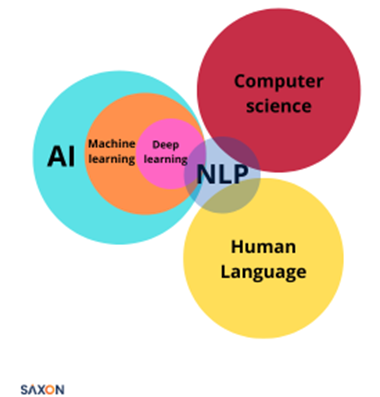
Text processing AI and natural language processing (NLP) are closely related fields, but they differ in scope and application. Text processing AI is a broader term that encompasses the use of artificial intelligence to handle and manipulate text data for various purposes, such as extraction, categorization, and transformation. It involves a range of techniques from basic text manipulation to complex machine learning algorithms. On the other hand, NLP is a subset of text processing AI focused specifically on enabling machines to understand, interpret, and generate human language in a way that is both meaningful and contextually relevant. While text processing can include tasks like formatting or keyword extraction that don’t necessarily require understanding the content’s meaning, NLP aims to bridge the gap between human communication and computer understanding by dealing with the nuances of language, such as semantics and syntax.
Can text processing AI summarize, translate, and analyze text?
Text processing AI is highly capable of summarizing, translating, and analyzing text, making it an invaluable tool across various domains. When it comes to summarization, AI can efficiently condense large volumes of information into concise summaries by identifying key points and main ideas, which is particularly useful for professionals needing quick insights from lengthy reports or articles. In translation, advanced AI models can convert text from one language to another with impressive accuracy and contextual understanding, facilitating seamless communication across language barriers. For text analysis, these AI systems can perform tasks such as sentiment analysis to gauge public opinion or extract relevant data points from unstructured text. By leveraging sophisticated algorithms and vast datasets, text processing AI enhances the efficiency and effectiveness of handling complex linguistic tasks.
How accurate is text processing AI?
The accuracy of text processing AI largely depends on the specific application and the quality of the underlying models and data. For tasks like language translation, sentiment analysis, or text summarization, state-of-the-art AI systems have achieved impressive levels of accuracy, often rivaling human performance in controlled environments. These systems are trained on extensive datasets that allow them to understand context and nuances in language. However, their accuracy can vary based on factors such as the complexity of the input text, the diversity of language patterns encountered, and any biases present in the training data. Continuous advancements in AI research are aimed at improving these models’ accuracy and reliability, making them more robust across different applications and languages.
Is it safe to use text processing AI with private or sensitive information?
When considering the use of text processing AI with private or sensitive information, safety and privacy are paramount concerns. Text processing AI systems often require access to large datasets to function effectively, which can include personal or confidential data. To ensure safety, it is crucial to use AI solutions that prioritize data security through robust encryption methods and strict access controls. Additionally, selecting providers that comply with relevant privacy regulations, such as GDPR or CCPA, can help safeguard sensitive information. Users should also be aware of the AI’s data handling practices and opt for solutions that offer transparency in how data is processed and stored. By taking these precautions, individuals and organizations can mitigate risks and responsibly harness the benefits of text processing AI.