NLP and Natural Language Programming: How Human Language Is Changing Software
People communicate through language, while computers traditionally rely on precise instructions written in programming languages. Advances in artificial intelligence are bringing these two worlds closer together. Natural language processing (NLP) helps computers understand and generate human language, while natural language programming uses everyday language to describe tasks that software should perform.
What Does NLP Mean?
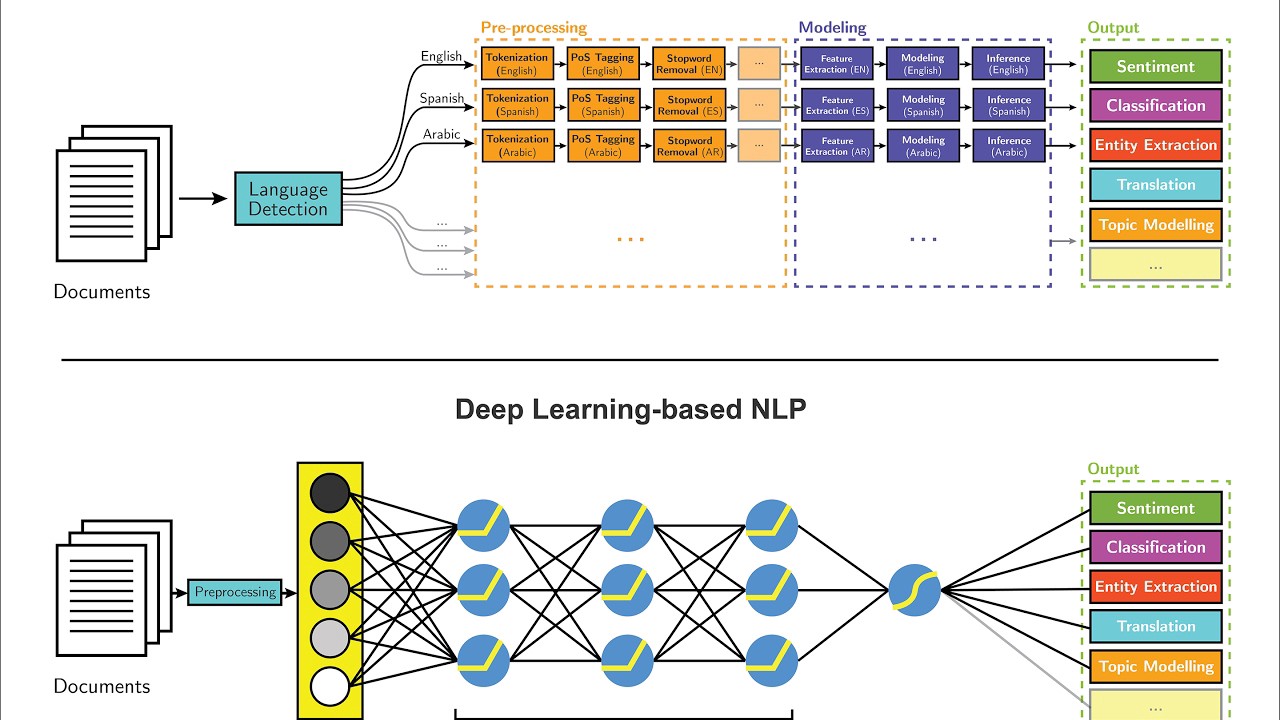
NLP most commonly stands for natural language processing. It is a field of artificial intelligence focused on helping computers work with human language, including written text and speech. NLP techniques power tools such as chatbots, translation software, voice assistants, search systems, and text summarizers.
NLP is not itself a programming language. Instead, it provides methods that help computers interpret language, identify patterns, and produce useful responses. For example, an NLP system might recognize that “Book a table for two at 7 p.m.” is a request to make a reservation.
What Is Natural Language Programming?
Natural language programming refers to using ordinary human language to give instructions that lead to a computer action or program. Instead of writing every command in a conventional language, a person might describe the desired result: “Create a table showing monthly sales and highlight the highest-performing month.” An AI-powered tool can interpret that request and generate a formula, query, script, or other output.
The phrase can be confusing because “NLP” usually refers to natural language processing, not natural language programming. The two ideas are related: natural language programming often depends on NLP to understand instructions. However, they are not interchangeable.
How Natural Language Programming Works
A natural language programming system typically processes a request in several stages:
- Interpret the request: The system identifies the user’s goal, relevant details, and constraints.
- Connect the request to an action: It determines whether to generate code, run a search, create a spreadsheet formula, or use another tool.
- Produce an output: The system generates instructions, code, or a result.
- Check and refine: The user reviews the output and can provide more details or request changes.
For example, a user might ask, “Write a Python function that converts temperatures from Fahrenheit to Celsius.” A coding assistant can generate a function and explain how to use it. In some tools, the user can also ask the system to run the code or modify an existing project.
Benefits and Limitations
Natural language programming can make technology more accessible to people who do not have extensive coding experience. It can help developers draft routine code, explore unfamiliar tools, and describe changes more quickly. It may also support business teams that want to analyze data or automate simple workflows without learning every technical detail.
However, everyday language can be ambiguous. A request such as “make the report better” does not specify what should change. AI-generated code may also contain errors, overlook security concerns, or fail to account for a project’s existing requirements. For that reason, generated outputs should be tested and reviewed, especially when they affect sensitive data, finances, or critical systems.
How to Get Better Results
Clear instructions lead to more useful results. Include the goal, relevant context, required format, and any constraints. For coding requests, specify the programming language and describe how the code should handle unusual inputs. If the first answer is incomplete, give focused feedback rather than starting over.
It is also important to verify the result. Run code in a safe environment, test it with representative examples, and review any assumptions the system made. Natural language tools can speed up work, but human judgment remains essential.
The Future of Language-Based Computing
NLP continues to improve how computers interpret and generate language. As these capabilities develop, natural language programming may become a more common way to interact with software—from creating small automations to exploring data and building application features. It is unlikely to eliminate traditional programming languages. Instead, it can provide another interface: people describe what they want, and technical tools help translate that intent into precise actions.
Understanding the distinction is useful: natural language processing is the technology that helps computers handle human language, while natural language programming is one way people can use language to direct computer tasks. Together, they are making software more approachable while still requiring clear instructions, careful testing, and informed oversight.
5 Key Benefits of Natural Language Programming: Accessible Coding, Faster Automation, and Better Collaboration
- Makes programming more accessible to beginners.
- Lets users describe tasks in everyday language.
- Speeds up routine coding and automation.
- Helps users explore data with simple prompts.
- Supports faster collaboration between technical and nontechnical teams.
Key Limitations of Natural Language Programming
- Natural language instructions can be ambiguous.
- AI-generated code may contain errors.
- Complex tasks still require technical expertise.
Makes programming more accessible to beginners.
Natural language programming makes programming more accessible to beginners by letting them describe what they want to accomplish in everyday language instead of learning complex syntax right away. This can help newcomers create simple code, explore technical ideas, and understand how software works with less frustration. It also gives beginners a practical starting point: they can focus on defining a problem and reviewing the generated solution, then gradually learn the programming concepts behind it.
Lets users describe tasks in everyday language.
One of the biggest advantages of natural language programming is that it lets users describe tasks in everyday language instead of learning complex syntax. People can explain what they want in familiar terms, such as asking a tool to organize data, draft a report, or create a simple function. This makes technology more approachable for beginners and helps experienced users communicate their ideas more quickly.
Speeds up routine coding and automation.
Natural language programming speeds up routine coding and automation by allowing users to describe tasks in plain English instead of writing every line of code manually. AI-powered tools can turn these instructions into scripts, spreadsheet formulas, database queries, or simple workflows, reducing the time spent on repetitive work. For example, a user can request a script to rename files, organize data, or generate a weekly report. Although generated code still needs review and testing, this approach can help beginners and experienced developers complete everyday tasks faster and focus on more complex problems.
Helps users explore data with simple prompts.
One advantage of natural language programming is that it helps users explore data with simple prompts instead of requiring them to know complex query languages or coding syntax. A user can ask questions such as, “Which products had the highest sales last month?” and receive a clear summary or visualization. This makes data analysis more accessible, helps people investigate trends quickly, and lets them focus on understanding results rather than writing technical commands.
Supports faster collaboration between technical and nontechnical teams.
Natural language programming supports faster collaboration between technical and nontechnical teams by allowing people to describe goals, requirements, and changes in everyday language. Business users can explain what they need without relying on specialized coding terminology, while developers can use those descriptions to create prototypes and clarify expectations. This shared starting point can reduce back-and-forth communication, surface misunderstandings earlier, and shorten feedback cycles, helping teams move from an idea to a working solution more efficiently.
Natural language instructions can be ambiguous.
One drawback of natural language programming is that instructions can be ambiguous. A request such as “make the report clearer” may mean reorganizing the information, simplifying the wording, or adding charts, so a system may interpret it differently than intended. This can lead to incomplete or incorrect results, making clear, specific instructions and careful review essential.
AI-generated code may contain errors.
AI-generated code can contain errors, even when it looks correct or is accompanied by a confident explanation. It may misunderstand the request, use outdated methods, overlook edge cases, or introduce security weaknesses. Because of these risks, code created through natural-language instructions should be reviewed, tested with realistic examples, and checked against the project’s requirements before it is used.
Complex tasks still require technical expertise.
Although natural language programming can make simple tasks easier, complex projects still require technical expertise. Detailed software systems often involve architecture, security, performance, integrations, and edge cases that are difficult to capture in everyday language. AI-generated instructions or code may also contain errors or miss important requirements, so experienced developers are needed to review, test, and refine the results.