NLP Language Translation: How Technology Connects People Across Languages
Translating a sentence takes more than replacing each word with its equivalent in another language. Meaning depends on context, grammar, culture, and tone. A phrase that sounds natural in English may become confusing when translated word for word into Spanish, Japanese, or Arabic.
Natural language processing, or NLP, helps computers handle these challenges. By combining language analysis with machine learning, NLP language translation makes multilingual communication faster and more accessible. It powers tools ranging from website translators to multilingual customer support systems.
What Is NLP Language Translation?
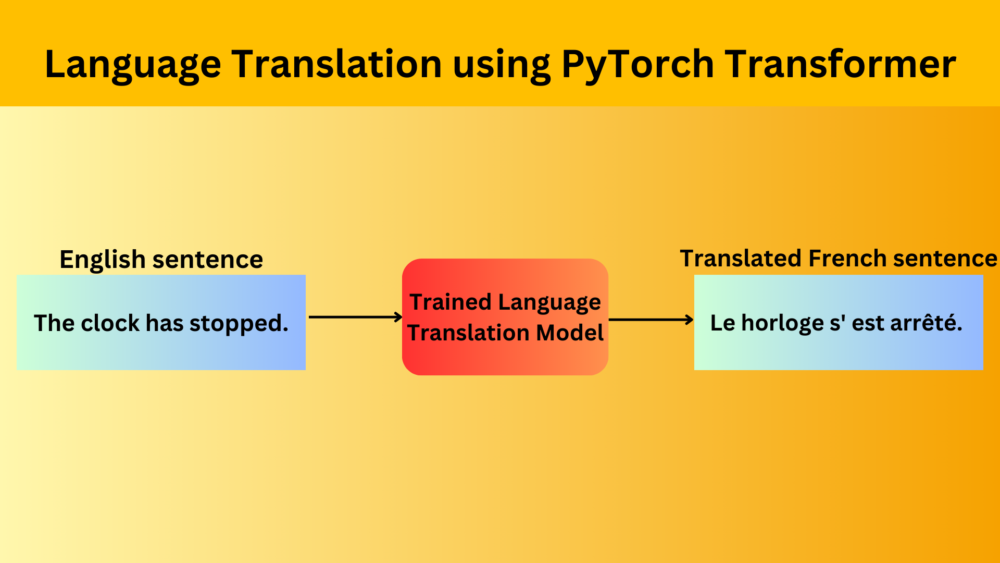
NLP is a field of artificial intelligence focused on how computers process and generate human language. In translation, NLP techniques help software interpret text in a source language and produce text with a similar meaning in a target language.
The goal is not simply to match words. A useful translation should preserve the original message while following the grammar, vocabulary, and conventions of the target language.
For example, the English phrase “break a leg” is usually an expression of encouragement. Translating it literally could change its meaning entirely. A context-aware translation system should recognize the expression and choose an appropriate equivalent.
How NLP Translation Works
Translation systems vary, but modern tools generally rely on several connected processes.
Preparing the Text
The system converts input into units called tokens. Depending on the model, a token may represent a word, part of a word, or a character. This allows the software to process languages with different writing systems and word structures.
Analyzing Context
The model evaluates relationships among tokens to estimate meaning. Context helps distinguish between words with multiple interpretations. For instance, “bank” can refer to a financial institution or the edge of a river.
The amount of context available matters. A system translating one sentence at a time may miss information introduced elsewhere in a document.
Generating the Translation
Using patterns learned during training, the model generates a target-language sequence. It adjusts word order and grammatical forms to produce a plausible translation rather than a direct word-for-word substitution.
Reviewing the Output
Depending on the workflow, translations may undergo automated checks, human review, or both. Review can identify missing information, inconsistent terminology, incorrect numbers, and wording that does not fit the intended audience.
From Rule-Based Systems to Neural Translation
Earlier machine translation systems often depended on manually written grammar rules and bilingual dictionaries. Later, statistical systems learned translation patterns from large collections of corresponding texts.
Neural machine translation, or NMT, uses neural networks to learn relationships between languages. Many modern systems use transformer architectures, which use attention mechanisms to weigh relevant information across a text sequence.
Large language models can also translate, often with instructions about tone, audience, or terminology. However, fluent output is not proof of accuracy. Both specialized translation models and general-purpose language models can omit details, misinterpret context, or introduce unsupported content.
Benefits of NLP Language Translation
- Speed: Automated systems can translate large volumes of content quickly.
- Accessibility: Translation helps people access information outside their primary language.
- Scalability: Businesses can support multilingual websites, product catalogs, and help centers more efficiently.
- Terminology consistency: Systems that support glossaries can help maintain approved translations for specialized terms.
- Translator productivity: Machine-generated drafts can reduce effort when their quality is sufficient for effective human editing.
Common Applications
NLP translation supports international e-commerce, travel services, education, and customer communication. Retailers use it to translate product descriptions, while support teams use it to understand customer messages and draft replies in other languages.
It also contributes to multilingual subtitles and speech translation. Speech-based applications typically combine speech recognition, text translation, and, when spoken output is needed, speech synthesis. Errors at any stage can affect the final result.
Challenges and Limitations
Translation quality varies by language pair, subject matter, and source-text quality. Languages with limited training data may receive less reliable results. Regional expressions, humor, sarcasm, and culturally specific references remain difficult.
Specialized content creates additional risks. A mistranslated legal obligation, medication instruction, or safety warning can have serious consequences. Such material should receive review from qualified professionals rather than relying on automated output alone.
Privacy also matters. Before submitting confidential documents, organizations should examine a provider’s data retention practices, security controls, and policies on using submitted content for model training.
How to Get Better Translation Results
- Write clear source text and avoid unnecessary ambiguity.
- Specify the target language, regional variant, audience, and tone.
- Provide context and approved terminology when the tool supports them.
- Check names, dates, numbers, units, and formatting.
- Use qualified human reviewers for sensitive or publication-ready content.
- Evaluate quality using representative material, not just a few simple sentences.
The Future of NLP Language Translation
Research continues to improve document-level context, terminology control, speech translation, and support for underrepresented languages. Better evaluation methods are equally important: a translation must convey the right meaning, not merely sound natural.
NLP language translation is a valuable tool for connecting people and expanding access to information. Its strongest applications combine the speed of automation with appropriate human judgment, especially when precision, cultural nuance, or safety matters.
5 Key Benefits of NLP-Powered Language Translation
- Translates text quickly across languages.
- Helps businesses reach global audiences.
- Makes information more accessible.
- Supports multilingual customer service.
- Reduces time spent on routine translation.
Key Limitations of NLP Language Translation
- Can miss context, idioms, and cultural nuance.
- May produce fluent but inaccurate translations.
- Quality varies across languages and subject areas.
- Sensitive content may raise privacy concerns.
Translates text quickly across languages.
One of the biggest advantages of NLP language translation is its ability to translate text quickly across languages. Instead of waiting for a manual translation, users can convert messages, documents, and web pages in seconds. This speed helps people communicate more easily, gives businesses a faster way to reach international audiences, and makes information available to readers who speak different languages.
Helps businesses reach global audiences.
NLP language translation helps businesses reach global audiences by making it easier to adapt websites, product information, marketing materials, and customer support for people who speak different languages. By translating content quickly and at scale, businesses can connect with more potential customers, provide a smoother experience across regions, and communicate in ways that feel more relevant to local markets.
Makes information more accessible.
NLP language translation makes information more accessible by helping people understand content in languages they may not speak fluently. It can translate websites, educational materials, public services, and everyday messages, allowing more people to find useful information and take part in conversations across language barriers. While important or sensitive translations may still need human review, NLP tools can make a wide range of information easier to reach quickly.
Supports multilingual customer service.
NLP language translation helps businesses support customers in multiple languages without requiring every agent to be fluent in each one. It can translate incoming messages and help agents draft replies, making it easier to answer questions, resolve issues, and provide a smoother customer experience across regions. For sensitive or complex requests, human review can help ensure the translation is accurate and appropriate.
Reduces time spent on routine translation.
NLP language translation reduces the time spent on routine translation by quickly handling repetitive, straightforward content such as standard emails, product descriptions, and frequently asked questions. Instead of translating every sentence from scratch, teams can use automated drafts as a starting point and focus their attention on reviewing important details, refining tone, and addressing more nuanced material. This can help organizations manage multilingual communication more efficiently while keeping human expertise available for work that requires extra care.
Can miss context, idioms, and cultural nuance.
One drawback of NLP language translation is that it can miss context, idioms, and cultural nuance. A system may translate words accurately but misunderstand their intended meaning, especially when a phrase relies on humor, local customs, or an expression that does not have a direct equivalent in another language. As a result, translations can sound awkward or unintentionally change the tone or message. For sensitive or audience-specific content, a fluent human reviewer can help catch these subtle errors.
May produce fluent but inaccurate translations.
One limitation of NLP language translation is that it can produce text that sounds natural and polished but does not accurately reflect the original meaning. A system may miss context, misinterpret an idiom, or choose the wrong meaning for an ambiguous word while still generating fluent sentences. This can make errors difficult to spot, especially in specialized or high-stakes content such as legal documents, medical instructions, or technical materials. For important translations, human review can help verify that the message is both clear and accurate.
Quality varies across languages and subject areas.
The quality of NLP language translation can vary significantly depending on the language pair and subject matter. Popular languages and general topics often receive better results because they are represented in more training data, while less common languages, regional dialects, and specialized fields may be less accurately translated. Technical, legal, or medical text can be especially challenging, since a small error in terminology or context may change the meaning. For important content, translations should be reviewed by someone with relevant language and subject-matter expertise.
Sensitive content may raise privacy concerns.
Sensitive content can raise privacy concerns when it is submitted to an NLP translation tool. Confidential business documents, personal messages, medical records, or legal information may be stored or processed by a third-party service, depending on its policies and security practices. Before translating private material, users should review how the provider handles data, whether submitted text may be retained or used to improve its systems, and what protections are in place. For highly sensitive content, an approved secure service or a qualified human translator may be a safer choice.