Natural Language Processing (NLP) Data Processing: Unleashing the Power of Language Technology
In today’s digital age, the vast amount of text data generated every day presents both a challenge and an opportunity. Natural Language Processing (NLP) data processing is a crucial technology that enables us to extract valuable insights, automate tasks, and enhance user experiences through the analysis and understanding of human language.
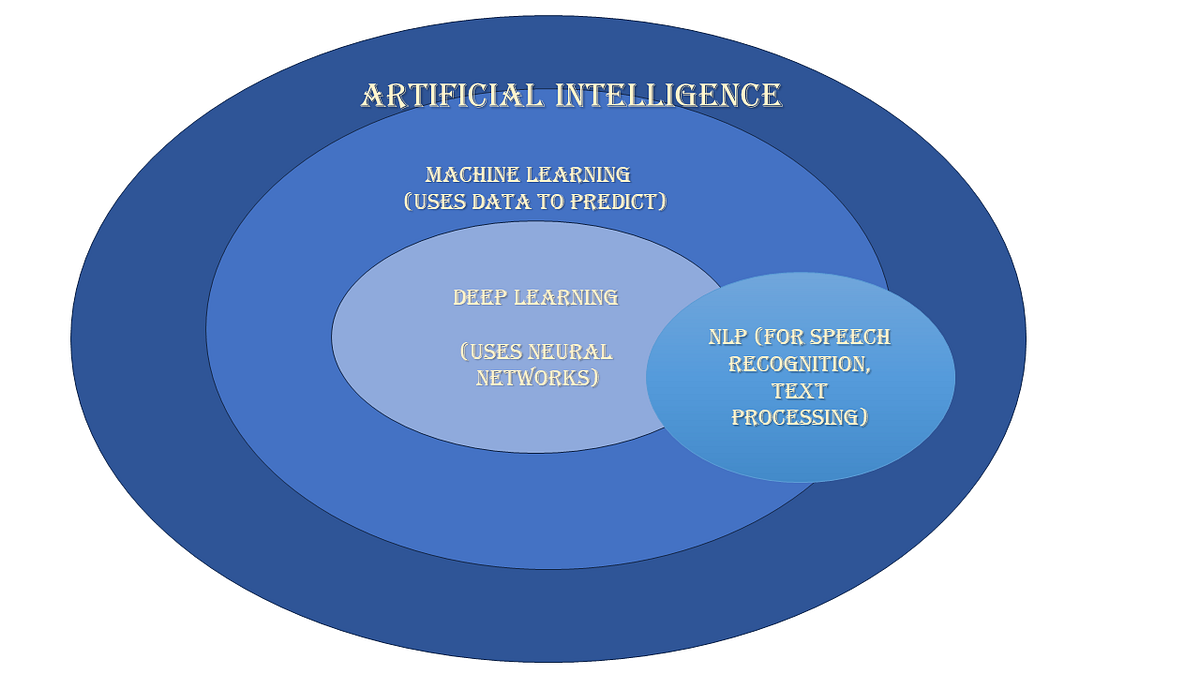
At its core, NLP data processing involves the application of computational techniques to process, analyze, and interpret large volumes of text data in a way that mimics human language comprehension. By leveraging machine learning algorithms, statistical models, and linguistic rules, NLP systems can perform a wide range of tasks, such as sentiment analysis, named entity recognition, machine translation, text summarization, and more.
One key aspect of NLP data processing is text preprocessing, which involves cleaning and transforming raw text data into a format that is suitable for analysis. This may include tasks such as tokenization (breaking text into individual words or tokens), stemming (reducing words to their root form), lemmatization (grouping inflected forms of words together), and removing stop words (commonly used words that do not carry significant meaning).
Another important component of NLP data processing is feature extraction, where relevant information is extracted from text data to represent it in a numerical format that can be used by machine learning algorithms. This process may involve techniques such as word embeddings (representing words as dense vectors), TF-IDF (Term Frequency-Inverse Document Frequency) weighting, and n-gram modeling.
Furthermore, NLP data processing often incorporates advanced techniques such as deep learning models like recurrent neural networks (RNNs) and transformers to handle complex language structures and context dependencies. These models have revolutionized the field of NLP by enabling more accurate language understanding and generation tasks.
Overall, NLP data processing plays a critical role in unlocking the potential of textual data across various domains including healthcare, finance, customer service, marketing, and more. By harnessing the power of language technology through sophisticated algorithms and innovative approaches, organizations can gain valuable insights from their textual data assets and drive informed decision-making processes.
In conclusion, NLP data processing represents a powerful tool for extracting knowledge from unstructured text data and unlocking new possibilities in the realm of artificial intelligence. As advancements in NLP continue to push the boundaries of what is possible with language technology, we can expect to see even greater innovations in how we interact with and derive value from textual information in the future.
7 Advantages of NLP Data Processing: Transforming Efficiency, Customer Service, and Innovation
- 1. Enables automated text analysis, saving time and effort in manual processing.
- 2. Enhances customer service through sentiment analysis and chatbot interactions.
- 3. Improves search engine optimization (SEO) by understanding user intent and content relevance.
- 4. Facilitates multilingual communication with accurate machine translation capabilities.
- 5. Empowers businesses to extract valuable insights from unstructured text data for informed decision-making.
- 6. Supports personalized recommendations and content curation based on user preferences and behavior.
- 7. Drives innovation in natural language understanding, enabling advancements in AI applications.
Exploring the Challenges of NLP Data Processing: Privacy, Bias, and Beyond
- 1. Data privacy concerns due to the sensitive nature of text data being processed.
- 2. Risk of bias and discrimination in NLP models, leading to inaccurate or unfair outcomes.
- 3. Challenges with handling colloquial language, slang, and dialects that may vary widely.
- 4. Difficulty in accurately interpreting context and nuances in language, especially in ambiguous or complex scenarios.
- 5. High computational resource requirements for training and deploying sophisticated NLP models.
- 6. Limited availability of labeled training data for certain languages or specialized domains, hindering model performance.
- 7. Potential security vulnerabilities related to text input/output interfaces that could be exploited by malicious actors.
1. Enables automated text analysis, saving time and effort in manual processing.
Automated text analysis made possible by NLP data processing offers a significant advantage by streamlining and accelerating the extraction of insights from large volumes of textual data. By automating tasks such as sentiment analysis, entity recognition, and topic modeling, organizations can save valuable time and resources that would otherwise be spent on manual processing. This not only increases efficiency but also allows for faster decision-making based on comprehensive and accurate analysis of text data.
2. Enhances customer service through sentiment analysis and chatbot interactions.
By leveraging NLP data processing, businesses can enhance customer service through sentiment analysis and chatbot interactions. Sentiment analysis allows companies to gain valuable insights into customer emotions and opinions by analyzing text data from various sources such as social media, surveys, and reviews. This enables organizations to understand customer satisfaction levels, identify potential issues, and tailor their services to meet customer needs more effectively. Additionally, integrating chatbots powered by NLP technology enables businesses to provide instant responses to customer inquiries, offer personalized assistance, and streamline the overall customer service experience. As a result, businesses can improve customer satisfaction, increase efficiency, and build stronger relationships with their customers.
3. Improves search engine optimization (SEO) by understanding user intent and content relevance.
By understanding user intent and content relevance, NLP data processing significantly enhances search engine optimization (SEO) strategies. With its ability to analyze and interpret human language, NLP enables search engines to deliver more accurate and relevant search results to users. By understanding the context and semantics of search queries, NLP helps optimize website content to better match user intent, ultimately improving visibility and ranking in search engine results pages. This proactive approach to SEO not only enhances the user experience by providing more tailored search results but also increases organic traffic and engagement for websites.
4. Facilitates multilingual communication with accurate machine translation capabilities.
Facilitates multilingual communication with accurate machine translation capabilities: One of the key benefits of NLP data processing is its ability to enable seamless multilingual communication through accurate machine translation capabilities. By leveraging advanced algorithms and linguistic models, NLP systems can effectively translate text between multiple languages with a high degree of accuracy, helping individuals and organizations overcome language barriers and fostering global collaboration and understanding. This capability not only enhances communication efficiency but also opens up new opportunities for cross-cultural interactions and knowledge sharing on a global scale.
5. Empowers businesses to extract valuable insights from unstructured text data for informed decision-making.
Empowering businesses to extract valuable insights from unstructured text data is a significant advantage of NLP data processing. By leveraging sophisticated algorithms and language understanding capabilities, businesses can analyze vast amounts of textual information to uncover trends, patterns, and sentiments that can inform strategic decision-making processes. This ability to derive actionable insights from unstructured data not only enhances operational efficiency but also enables organizations to make informed decisions based on a deeper understanding of customer feedback, market trends, and competitive landscapes. Ultimately, NLP data processing serves as a powerful tool for businesses seeking to gain a competitive edge in today’s data-driven landscape.
6. Supports personalized recommendations and content curation based on user preferences and behavior.
NLP data processing excels in supporting personalized recommendations and content curation by leveraging user preferences and behavior. By analyzing the text data generated from user interactions, NLP algorithms can identify patterns, trends, and correlations that enable the creation of tailored recommendations and curated content. This capability not only enhances user engagement and satisfaction but also helps businesses deliver targeted and relevant information to their audience, ultimately improving customer experience and driving better outcomes.
7. Drives innovation in natural language understanding, enabling advancements in AI applications.
NLP data processing plays a pivotal role in driving innovation in natural language understanding, which is essential for advancing AI applications. By continuously improving the ability of machines to comprehend and interpret human language, NLP fosters the development of more sophisticated AI systems that can interact with users in a more intuitive and human-like manner. This progress enables breakthroughs in various AI applications, such as virtual assistants that can understand complex queries, automated customer service solutions that provide accurate responses, and intelligent content generation tools that produce high-quality text. As NLP techniques evolve, they not only enhance the capabilities of existing AI technologies but also pave the way for new applications across diverse industries, from healthcare to finance, ultimately transforming how we interact with technology on a daily basis.
1. Data privacy concerns due to the sensitive nature of text data being processed.
Data privacy concerns arise as a significant con of NLP data processing, particularly due to the sensitive nature of the text data being analyzed. The utilization of personal or confidential information in text data, such as emails, messages, or documents, raises ethical questions regarding the protection and misuse of individuals’ privacy. As NLP systems become more sophisticated in extracting insights from textual data, there is a heightened risk of unauthorized access, data breaches, or misuse of sensitive information, highlighting the importance of implementing robust security measures and ethical guidelines to safeguard user privacy in the realm of NLP data processing.
2. Risk of bias and discrimination in NLP models, leading to inaccurate or unfair outcomes.
One significant con of NLP data processing is the inherent risk of bias and discrimination in NLP models, which can result in inaccurate or unfair outcomes. Due to the reliance on training data that may reflect existing societal biases or prejudices, NLP models can inadvertently perpetuate and amplify these biases when making decisions or predictions. This can lead to discriminatory outcomes, particularly in sensitive areas such as hiring practices, criminal justice, and healthcare, where biased NLP models may reinforce existing inequalities and injustices. Addressing and mitigating bias in NLP models is crucial to ensuring fair and ethical use of language technology in various applications.
3. Challenges with handling colloquial language, slang, and dialects that may vary widely.
Handling colloquial language, slang, and dialects that vary widely poses a significant challenge in NLP data processing. The nuances and variations in informal language can make it difficult for algorithms to accurately interpret and analyze text data. Slang terms, regional dialects, and cultural references may not always align with standard language models, leading to errors in understanding or misinterpretation of meaning. This challenge highlights the importance of ongoing research and development in NLP to improve the ability of systems to effectively process and comprehend diverse forms of language expression.
4. Difficulty in accurately interpreting context and nuances in language, especially in ambiguous or complex scenarios.
Navigating the intricate landscape of language nuances and contextual subtleties poses a significant challenge in NLP data processing. The inherent difficulty lies in accurately deciphering the subtle nuances and context-dependent meanings embedded within language, particularly in scenarios that are ambiguous or complex. This limitation can lead to misinterpretations, errors, or incomplete understanding of text data, ultimately affecting the overall accuracy and reliability of NLP systems in capturing the richness and depth of human communication.
5. High computational resource requirements for training and deploying sophisticated NLP models.
One significant drawback of NLP data processing is the high computational resource requirements needed for training and deploying sophisticated NLP models. Developing advanced language models that can accurately process and understand human language demands substantial computing power, memory, and specialized hardware accelerators. This can pose a challenge for organizations with limited resources or infrastructure, as the cost of acquiring and maintaining the necessary computational resources for running complex NLP algorithms can be prohibitive. Additionally, deploying these models in real-world applications may require continuous optimization and scaling to meet performance demands, further adding to the computational burden. As a result, the high computational overhead associated with training and deploying sophisticated NLP models can impede widespread adoption and accessibility of advanced language processing technologies.
6. Limited availability of labeled training data for certain languages or specialized domains, hindering model performance.
The limited availability of labeled training data for certain languages or specialized domains poses a significant challenge in the field of NLP data processing, ultimately hindering model performance. Without sufficient labeled data to train NLP models effectively, the accuracy and reliability of language understanding and generation tasks can be compromised, especially for less commonly spoken languages or niche domains. This scarcity of training data can lead to biases, inaccuracies, and suboptimal performance in NLP systems, highlighting the importance of addressing data availability and diversity to ensure the robustness and generalizability of language technology solutions.
7. Potential security vulnerabilities related to text input/output interfaces that could be exploited by malicious actors.
Potential security vulnerabilities related to text input/output interfaces in NLP data processing pose a significant con that could be exploited by malicious actors. As NLP systems interact with vast amounts of text data, there is a risk of exposing sensitive information through input/output channels. Malicious actors could exploit these vulnerabilities to inject harmful code, manipulate data inputs, or extract confidential information, leading to breaches in privacy and security. It is crucial for organizations implementing NLP technologies to prioritize robust security measures and regularly update their systems to mitigate the risks associated with potential vulnerabilities in text interfaces.