The Power of NLP Data Analysis
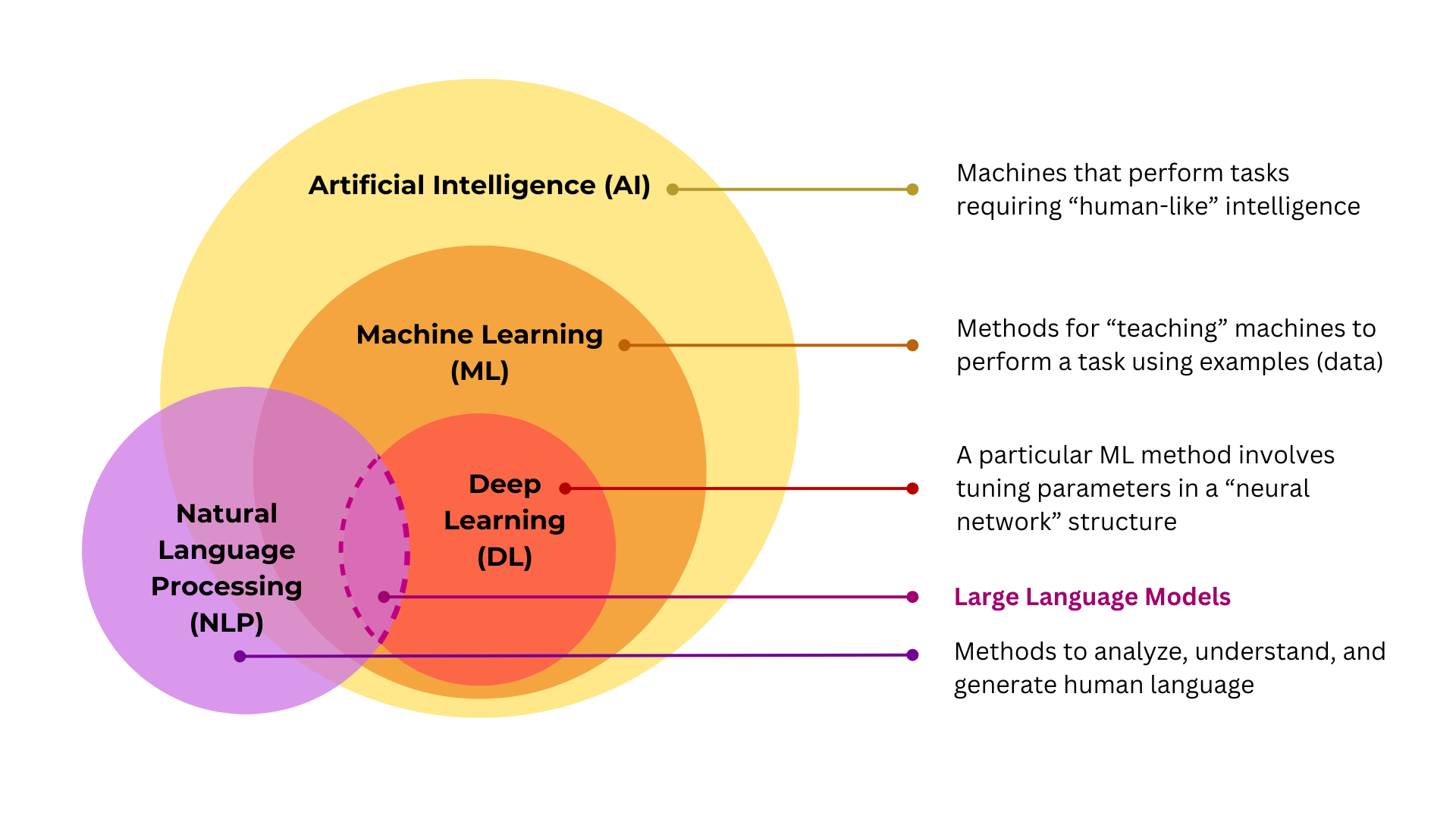
Natural Language Processing (NLP) data analysis is a cutting-edge technology that is revolutionizing the way we extract insights and meaning from vast amounts of textual data. By leveraging the power of artificial intelligence and machine learning, NLP enables us to analyze, interpret, and derive valuable information from text in a way that was previously impossible.
One of the key strengths of NLP data analysis is its ability to process unstructured data, such as social media posts, customer reviews, emails, and more. Traditional data analysis techniques struggle with unstructured text, but NLP algorithms can understand the context, sentiment, and nuances of human language to uncover patterns and trends that are hidden within the text.
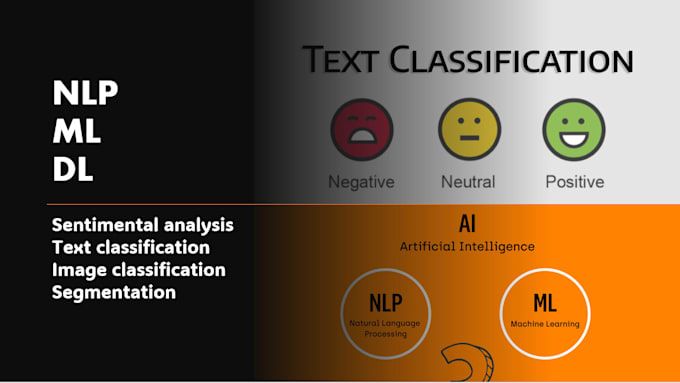
Businesses across various industries are increasingly turning to NLP data analysis to gain actionable insights from their textual data. For example, sentiment analysis using NLP can help companies understand how customers feel about their products or services by analyzing customer feedback and reviews. This information can then be used to improve products, enhance customer satisfaction, and drive business growth.
Another application of NLP data analysis is in chatbots and virtual assistants. These AI-powered tools use natural language understanding to communicate with users in a human-like manner. By analyzing user queries and responses in real-time, chatbots can provide personalized assistance and support to customers efficiently.
In the field of healthcare, NLP data analysis is being used to extract valuable insights from medical records, research papers, and clinical notes. By analyzing this vast amount of textual data, researchers can identify trends in diseases, track treatment outcomes, and improve patient care.
As the volume of textual data continues to grow exponentially, the importance of NLP data analysis will only increase. By harnessing the power of artificial intelligence and machine learning through NLP techniques, businesses and organizations can unlock valuable insights from their text data that were previously hidden.
In conclusion, NLP data analysis is a powerful tool that has the potential to transform how we analyze textual data across various fields. By leveraging advanced algorithms and techniques in natural language processing, we can extract meaningful information from unstructured text at scale and drive innovation in decision-making processes.
9 Essential Tips for Effective NLP Data Analysis
- Preprocess text data by removing noise, such as special characters and punctuation.
- Tokenize the text data into words or subwords for further analysis.
- Remove stop words that do not contribute much to the meaning of the text.
- Perform stemming or lemmatization to reduce words to their base form for consistency.
- Use techniques like TF-IDF or word embeddings to represent text data numerically.
- Apply techniques like topic modeling or sentiment analysis for deeper insights into the text.
- Consider using pre-trained language models for tasks like classification or named entity recognition.
- Evaluate your NLP models using metrics like accuracy, precision, recall, and F1-score.
- Continuously improve your NLP models through fine-tuning on domain-specific data.
Preprocess text data by removing noise, such as special characters and punctuation.
In natural language processing (NLP) data analysis, a crucial tip is to preprocess text data by removing noise, such as special characters and punctuation. By eliminating unnecessary elements like special characters and punctuation marks from the text, the data becomes cleaner and more structured, which enhances the accuracy of NLP algorithms in understanding and analyzing the underlying content. This preprocessing step helps to focus on the essential information within the text, leading to more effective text analysis and better extraction of valuable insights.
Tokenize the text data into words or subwords for further analysis.
To enhance the effectiveness of NLP data analysis, it is crucial to tokenize the text data into individual words or subwords. By breaking down the text into smaller units, such as words or subwords, we can analyze and process the data more efficiently. Tokenization allows us to extract meaningful insights, identify patterns, and apply various NLP techniques to gain a deeper understanding of the textual content. This initial step of tokenization sets the foundation for further analysis and enables us to unlock valuable information hidden within the text data.
Remove stop words that do not contribute much to the meaning of the text.
In natural language processing (NLP) data analysis, a valuable tip is to remove stop words that do not contribute significantly to the overall meaning of the text. Stop words are common words such as “and,” “the,” “is,” etc., that appear frequently in a language but do not carry much semantic value. By eliminating these stop words from the text data before analysis, we can improve the accuracy and efficiency of NLP algorithms in extracting meaningful insights and patterns from the remaining content. This process helps focus on the essential content and context of the text, enhancing the quality of analysis results and making them more relevant and actionable for decision-making purposes.
Perform stemming or lemmatization to reduce words to their base form for consistency.
Performing stemming or lemmatization in NLP data analysis is essential to ensure consistency and accuracy in text processing. By reducing words to their base form, whether through stemming (cutting off prefixes or suffixes) or lemmatization (reducing words to their dictionary form), we can standardize the representation of words. This not only helps in improving the efficiency of text analysis tasks such as sentiment analysis, topic modeling, and information retrieval but also enhances the overall quality of insights derived from textual data.
Use techniques like TF-IDF or word embeddings to represent text data numerically.
To enhance the effectiveness of NLP data analysis, it is crucial to utilize techniques such as TF-IDF (Term Frequency-Inverse Document Frequency) or word embeddings to convert text data into numerical representations. By employing TF-IDF, we can weigh the importance of each word in a document relative to a collection of documents, enabling us to identify key terms that distinguish one document from another. On the other hand, word embeddings capture semantic relationships between words by mapping them to dense vector representations in a continuous vector space. These numerical representations not only facilitate computational analysis but also enable machines to understand and process textual data more effectively, leading to more accurate and insightful results in NLP tasks.
Apply techniques like topic modeling or sentiment analysis for deeper insights into the text.
By applying techniques such as topic modeling or sentiment analysis in NLP data analysis, researchers and businesses can gain deeper insights into the text they are analyzing. Topic modeling allows for the identification of key themes and topics within a body of text, enabling a more structured understanding of the content. On the other hand, sentiment analysis helps to uncover the underlying emotions and attitudes expressed in the text, providing valuable information on how individuals feel about certain topics or products. By incorporating these advanced techniques into their analysis, users can extract richer and more nuanced insights from textual data, leading to more informed decision-making and strategic actions.
Consider using pre-trained language models for tasks like classification or named entity recognition.
When delving into NLP data analysis, it is advisable to consider utilizing pre-trained language models for tasks such as classification or named entity recognition. These advanced models have been trained on vast amounts of text data and have learned intricate language patterns, making them highly effective in tasks that require understanding and categorizing textual information. By leveraging pre-trained language models, researchers and data analysts can save time and resources while achieving accurate and reliable results in tasks like classification and named entity recognition.
Evaluate your NLP models using metrics like accuracy, precision, recall, and F1-score.
When delving into NLP data analysis, it is crucial to evaluate the performance of your models using key metrics such as accuracy, precision, recall, and F1-score. These metrics provide valuable insights into the effectiveness of your NLP algorithms in understanding and processing textual data. Accuracy measures the overall correctness of predictions made by the model, while precision focuses on the proportion of correctly predicted positive instances out of all instances predicted as positive. Recall, on the other hand, assesses the ability of the model to identify all relevant instances in the dataset. The F1-score combines precision and recall into a single metric, offering a balanced evaluation of model performance. By diligently assessing these metrics, you can fine-tune your NLP models for optimal results and enhance their effectiveness in extracting meaningful insights from text data.
Continuously improve your NLP models through fine-tuning on domain-specific data.
To enhance the effectiveness and accuracy of your NLP models, it is essential to continuously improve them through fine-tuning on domain-specific data. By training your models on data that is specific to your industry or field, you can tailor the algorithms to better understand and interpret the unique language patterns and nuances within that domain. This fine-tuning process allows your NLP models to perform more effectively in real-world scenarios, leading to improved outcomes and insights that are directly relevant to your business or research objectives.