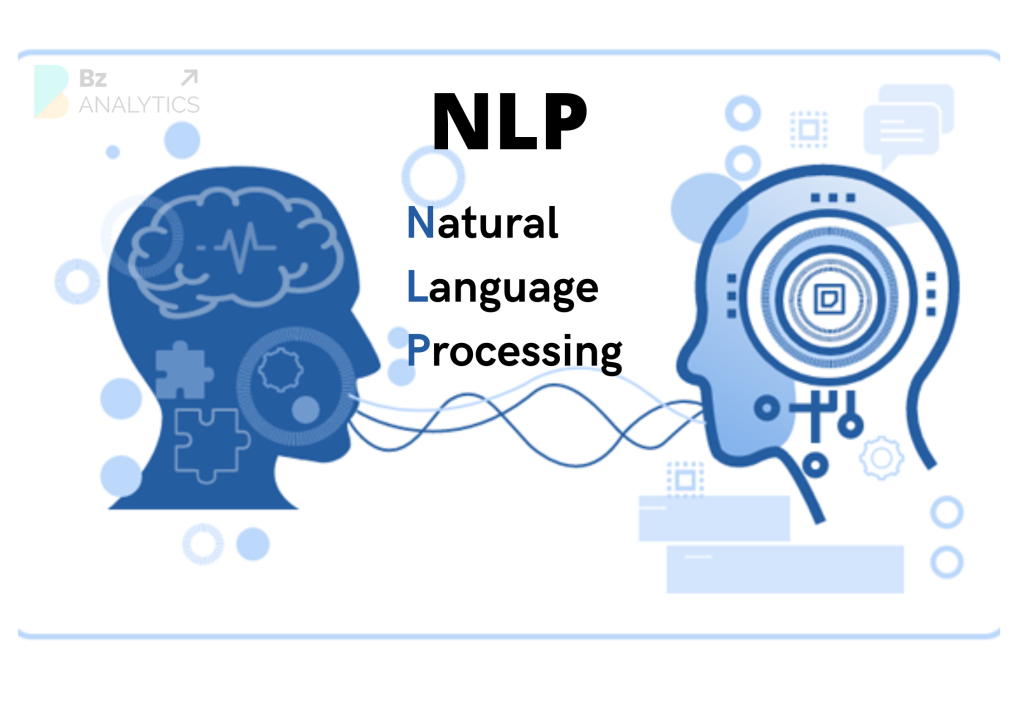
The Power of Neural Natural Language Processing (NLP)
Neural Natural Language Processing (NLP) is revolutionizing the way we interact with technology and communicate with each other. By harnessing the power of artificial neural networks, NLP systems are able to understand, interpret, and generate human language in a way that was once thought impossible.
At the core of neural NLP is the concept of deep learning, a subset of machine learning that focuses on training algorithms to learn and make decisions on their own. By feeding large amounts of text data into neural networks, these systems can analyze patterns, relationships, and nuances within language to perform tasks such as language translation, sentiment analysis, and text generation.
One of the key advantages of neural NLP is its ability to capture context and semantics in language processing. Traditional rule-based NLP systems often struggled with understanding the complexities of human language, such as sarcasm, ambiguity, or colloquial expressions. Neural NLP models excel at capturing these subtleties by learning from vast amounts of text data and adjusting their parameters accordingly.
Applications of neural NLP are wide-ranging and impactful. From virtual assistants like Siri and Alexa that can understand natural language commands to chatbots that provide customer support in real-time, neural NLP is transforming the way we interact with technology. In fields such as healthcare, finance, and education, NLP systems are being used to analyze medical records, predict market trends, and assist students in learning new languages.
As research in neural NLP continues to advance, we can expect even more sophisticated applications in the future. Improved accuracy in translation services, better sentiment analysis tools for social media monitoring, and enhanced text summarization algorithms are just a few areas where neural NLP is poised to make a significant impact.
Overall, neural NLP represents a paradigm shift in how we leverage technology to understand and communicate through human language. With its ability to process vast amounts of text data quickly and accurately, the possibilities for innovation and discovery are endless.
Understanding Neural NLP: Key Phases, Types, and Network Functionality
- What are the 4 phases of NLP?
- What is neural natural language processing?
- What are the four types of NLP?
- Is neural network good for NLP?
- How does NLP neural network work?
What are the 4 phases of NLP?
The four phases of Natural Language Processing (NLP) encompass a systematic approach to understanding and processing human language. The first phase involves lexical analysis, where the text is broken down into individual words or tokens. The second phase, syntactic analysis, focuses on analyzing the grammar and structure of sentences to determine relationships between words. Semantic analysis, the third phase, delves into the meaning of words and how they relate to each other in context. Finally, the discourse integration phase looks at how sentences connect to form coherent conversations or narratives. These four phases work together seamlessly to enable NLP systems to comprehend and generate human language effectively.
What is neural natural language processing?
Neural Natural Language Processing (NLP) refers to a cutting-edge technology that utilizes artificial neural networks to process and understand human language. By leveraging deep learning algorithms, neural NLP systems can analyze text data, interpret context, and generate meaningful responses with a high level of accuracy. This advanced approach enables machines to comprehend and interact with language in a more human-like manner, revolutionizing how we communicate with technology and unlocking a wide range of applications across various industries.
What are the four types of NLP?
In the field of Neural Natural Language Processing (NLP), there are four main types of NLP tasks that are commonly recognized: 1) Natural Language Understanding (NLU), which focuses on interpreting and extracting meaning from human language input; 2) Natural Language Generation (NLG), which involves creating human-like text based on structured data or input; 3) Machine Translation, which is the process of translating text from one language to another using automated algorithms; and 4) Sentiment Analysis, which aims to determine the sentiment or emotion expressed in a piece of text, such as positive, negative, or neutral. These four types of NLP tasks play crucial roles in developing advanced language processing systems powered by neural networks.
Is neural network good for NLP?
The use of neural networks in Natural Language Processing (NLP) has proven to be highly effective and beneficial. Neural networks excel in capturing complex patterns and relationships within language data, allowing them to understand and generate human language more accurately than traditional rule-based systems. By leveraging deep learning techniques, neural NLP models can adapt and improve over time as they are exposed to more data, leading to enhanced performance in tasks such as language translation, sentiment analysis, and text generation. Overall, the versatility and power of neural networks make them a valuable tool for advancing the field of NLP and overcoming challenges in language processing.
How does NLP neural network work?
Neural Natural Language Processing (NLP) works by utilizing artificial neural networks to process and understand human language. These neural networks are trained on vast amounts of text data, allowing them to learn patterns, relationships, and nuances within language. When a text input is fed into an NLP neural network, it undergoes a series of mathematical operations that analyze the context, semantics, and syntax of the text. The network then generates an output based on its learned parameters, which could be anything from language translation to sentiment analysis or text generation. By continuously adjusting its parameters through training data, the NLP neural network improves its accuracy and performance over time, enabling it to effectively interpret and generate human language with remarkable precision.