Understanding the Power of Natural Language Understanding Algorithms
In today’s digital era, the ability to comprehend and process human language is crucial for technology to interact seamlessly with users. This is where Natural Language Understanding (NLU) algorithms come into play. These sophisticated algorithms form the backbone of many modern applications, enabling machines to interpret and respond to human language in a meaningful way.
What is Natural Language Understanding?
Natural Language Understanding is a subfield of artificial intelligence that focuses on machine reading comprehension. It involves converting human language into a format that computers can understand and act upon. Unlike simple keyword recognition, NLU aims to grasp the context, sentiment, and intent behind the words.
How Do NLU Algorithms Work?
The process of natural language understanding involves several key steps:
- Tokenization: Breaking down text into smaller units, such as words or phrases, which are easier for machines to analyze.
- Lemmatization: Reducing words to their base or root form to ensure consistency in analysis.
- Part-of-Speech Tagging: Identifying the grammatical role of each word in a sentence, such as noun, verb, or adjective.
- Named Entity Recognition: Detecting and classifying key elements within text like names of people, organizations, or locations.
- Sentiment Analysis: Determining the emotional tone behind a series of words to understand attitudes and opinions.
- Syntactic Parsing: Analyzing sentence structure to understand relationships between words and phrases.
The Role of Machine Learning in NLU
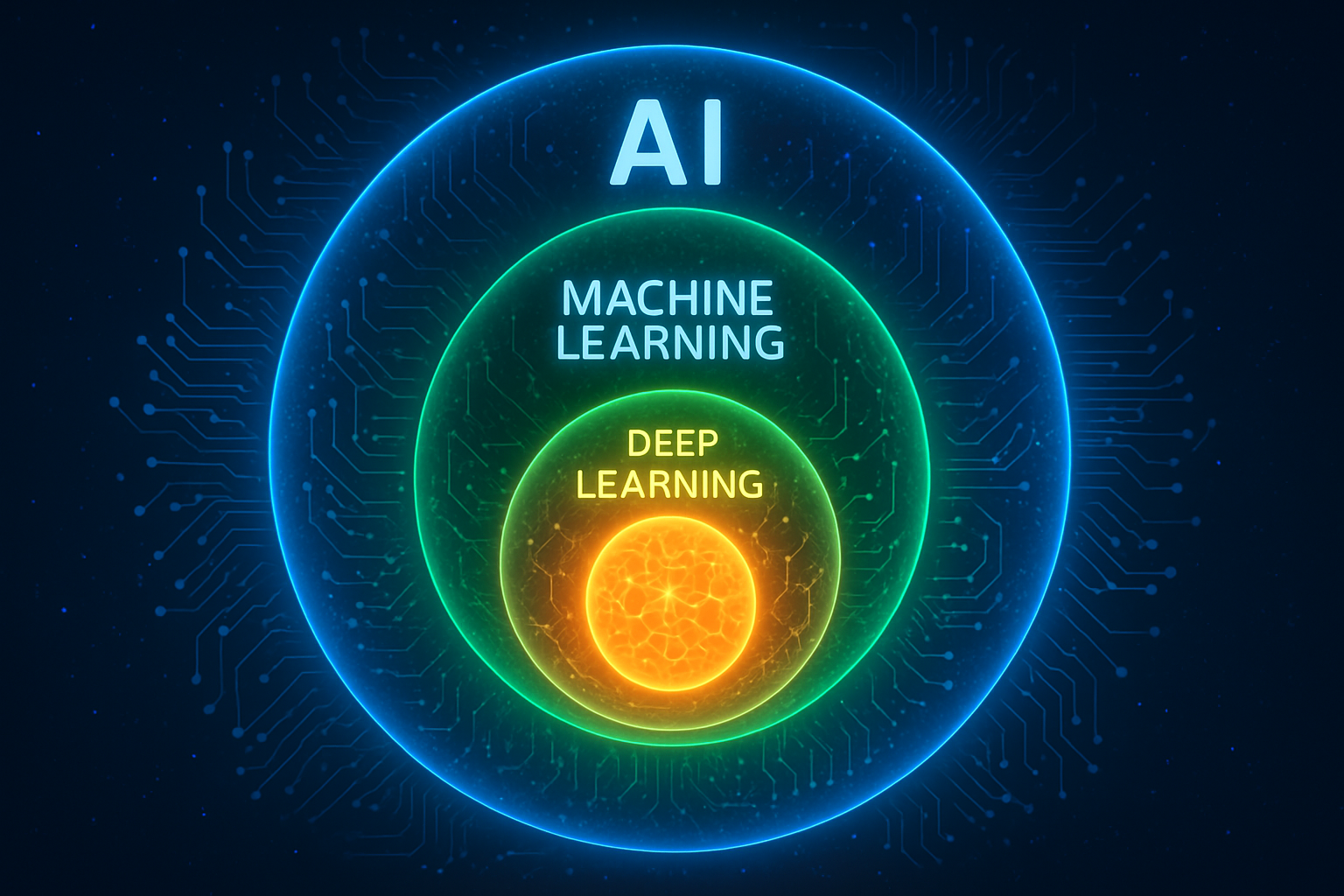
Naturally language understanding relies heavily on machine learning models that are trained on vast datasets. These models learn patterns and nuances in language through techniques such as neural networks and deep learning. As they are exposed to more data over time, they improve their accuracy in interpreting complex linguistic structures.
Applications of NLU Algorithms
The impact of NLU algorithms is widespread across various sectors:
- Virtual Assistants: Platforms like Siri and Alexa use NLU algorithms to understand user commands and provide relevant responses.
- Customer Support Chatbots: Many companies employ chatbots powered by NLU to handle customer queries efficiently.
- Email Filtering: Spam filters utilize these algorithms to categorize emails based on content analysis.
- Mental Health Apps: Applications analyze user input for signs of distress or mood changes using sentiment analysis techniques.
The Future of Natural Language Understanding
The field of natural language understanding continues to evolve rapidly. Researchers are working towards making these algorithms more nuanced by incorporating cultural context and improving their ability to handle ambiguous language. As these technologies advance, we can expect even more seamless interactions between humans and machines in various aspects of daily life.
Exploring Natural Language Understanding: Key Concepts, Algorithms, and Applications
- What is Natural Language Understanding (NLU) and how does it differ from Natural Language Processing (NLP)?
- How do Natural Language Understanding algorithms analyze and interpret human language?
- What are the key components of Natural Language Understanding algorithms?
- How does machine learning play a role in enhancing the capabilities of NLU algorithms?
- What are some common applications of Natural Language Understanding in real-world scenarios?
- How is sentiment analysis integrated into Natural Language Understanding algorithms?
What is Natural Language Understanding (NLU) and how does it differ from Natural Language Processing (NLP)?
Natural Language Understanding (NLU) is a branch of artificial intelligence that focuses on enabling machines to comprehend and interpret human language in a meaningful way. NLU goes beyond basic text processing by aiming to grasp the context, intent, and sentiment behind the words. It involves tasks such as tokenization, part-of-speech tagging, named entity recognition, and sentiment analysis to extract deeper meaning from text data. On the other hand, Natural Language Processing (NLP) is a broader field that encompasses both NLU and other tasks like text generation, machine translation, and speech recognition. While NLP deals with the entire range of interactions between computers and human language, NLU specifically emphasizes the understanding aspect, delving into the intricacies of language comprehension to facilitate more intelligent communication between humans and machines.
How do Natural Language Understanding algorithms analyze and interpret human language?
Natural Language Understanding algorithms analyze and interpret human language by employing a series of sophisticated techniques. These algorithms first break down the text into smaller units through tokenization, allowing for easier analysis. They then identify the grammatical roles of words using part-of-speech tagging and determine the relationships between words and phrases through syntactic parsing. Additionally, named entity recognition helps in detecting and classifying key elements within the text, such as names of people or organizations. By leveraging machine learning models trained on vast datasets, these algorithms continuously improve their ability to grasp context, sentiment, and intent behind human language, enabling them to provide accurate and meaningful interpretations.
What are the key components of Natural Language Understanding algorithms?
When exploring the key components of Natural Language Understanding algorithms, it becomes evident that several crucial elements play a significant role in enabling machines to interpret and respond to human language effectively. These components include tokenization for breaking down text into manageable units, lemmatization for standardizing word forms, part-of-speech tagging for identifying grammatical roles, named entity recognition for detecting important entities, sentiment analysis for understanding emotional tones, and syntactic parsing for analyzing sentence structures. Each of these components contributes to the comprehensive understanding of language and forms the foundation of NLU algorithms’ capabilities in processing and interpreting human communication.
How does machine learning play a role in enhancing the capabilities of NLU algorithms?
Machine learning plays a pivotal role in enhancing the capabilities of Natural Language Understanding (NLU) algorithms by enabling them to learn and adapt from data. Through the use of machine learning techniques, NLU algorithms can analyze vast amounts of text data to identify patterns, relationships, and nuances in language. By training on diverse datasets, these algorithms improve their accuracy in understanding context, sentiment, and intent behind human language. Machine learning models such as neural networks and deep learning algorithms empower NLU systems to continuously refine their language processing abilities, leading to more sophisticated and effective communication between machines and humans.
What are some common applications of Natural Language Understanding in real-world scenarios?
In real-world scenarios, Natural Language Understanding (NLU) algorithms find diverse applications across various domains. Some common applications include virtual assistants like Siri and Alexa, which utilize NLU to comprehend user commands and provide accurate responses. Customer support chatbots leverage NLU to interact with customers, answer queries, and streamline customer service processes. Email filtering systems use NLU algorithms to categorize and prioritize emails based on content analysis, enhancing efficiency in managing large volumes of messages. Additionally, mental health apps employ NLU for sentiment analysis to detect signs of distress or mood changes in user input, offering personalized support and interventions. These practical applications demonstrate the versatility and impact of NLU algorithms in enhancing communication and decision-making processes in real-world settings.
How is sentiment analysis integrated into Natural Language Understanding algorithms?
Sentiment analysis is seamlessly integrated into Natural Language Understanding algorithms through a combination of linguistic and machine learning techniques. By analyzing the emotional tone and context of text, sentiment analysis algorithms can identify and interpret sentiments expressed in language data. This process involves identifying keywords, phrases, and linguistic patterns that convey emotions such as positivity, negativity, or neutrality. By incorporating sentiment analysis into NLU algorithms, machines can better understand the underlying attitudes and opinions within text, enabling more accurate and insightful interpretations of human language.