
Natural Language Processing in AI: Bridging the Gap Between Humans and Machines
In recent years, advancements in artificial intelligence have transformed how we interact with technology. One of the most significant breakthroughs is in the field of Natural Language Processing (NLP), which aims to bridge the gap between human language and machine understanding.
What is Natural Language Processing?
Natural Language Processing is a subfield of artificial intelligence that focuses on enabling machines to understand, interpret, and respond to human language in a valuable way. It combines computational linguistics with machine learning techniques to process and analyze large amounts of natural language data.
The Importance of NLP
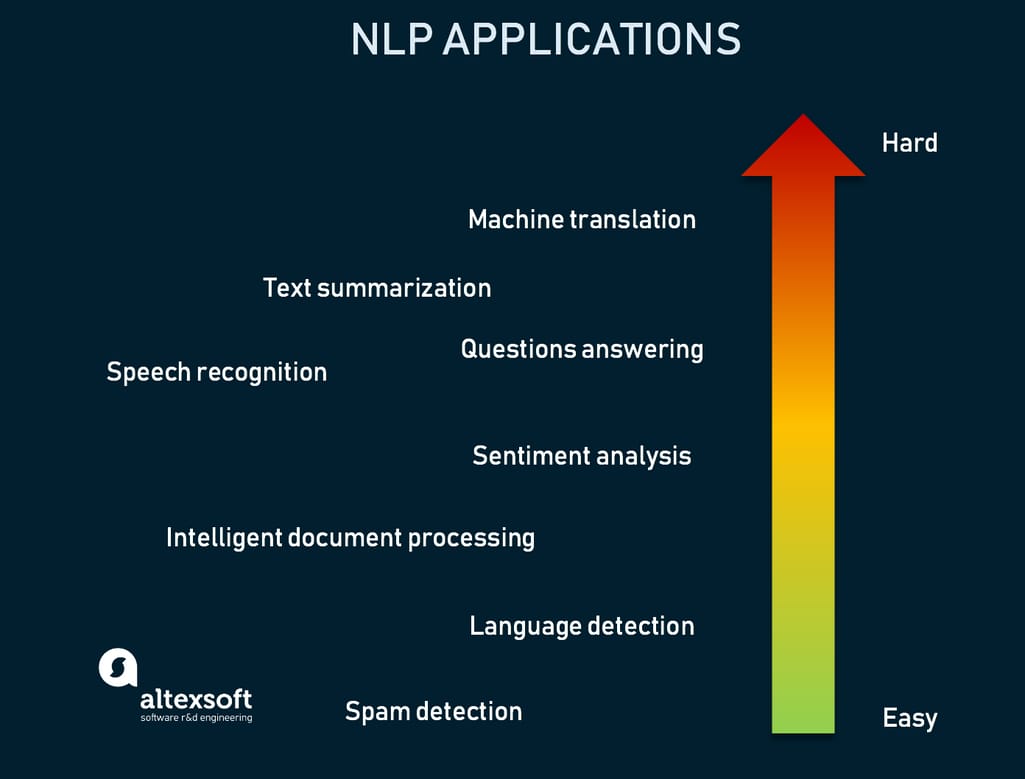
NLP has become an essential component of modern AI applications due to its ability to facilitate human-computer interaction. By allowing machines to comprehend spoken or written language, NLP powers various applications such as:
- Voice Assistants: Devices like Amazon’s Alexa and Apple’s Siri rely on NLP to understand and respond to voice commands.
- Chatbots: Customer service bots use NLP to provide instant support by interpreting user queries and generating appropriate responses.
- Language Translation: Tools like Google Translate utilize NLP algorithms to convert text from one language to another with increasing accuracy.
How Does NLP Work?
NLP involves several key processes that enable machines to process human language effectively:
- Tokenization: Breaking down text into smaller units such as words or phrases.
- Lemmatization and Stemming: Reducing words to their base or root forms for easier analysis.
- Part-of-Speech Tagging: Identifying the grammatical role of each word in a sentence.
- Name Entity Recognition (NER): Detecting named entities like people, organizations, or locations within text.
- Sentiment Analysis: Determining the sentiment or emotional tone behind a piece of text.
The Challenges of NLP
NLP faces several challenges due to the complexity and nuances of human language. These include ambiguity, cultural differences, idiomatic expressions, and context sensitivity. Despite these challenges, ongoing research continues to improve NLP models’ accuracy and efficacy.
The Future of NLP
The future of Natural Language Processing looks promising as researchers develop more sophisticated models capable of understanding context better than ever before. With advancements in deep learning techniques such as transformers and neural networks, we can expect even more accurate translations, improved sentiment analysis tools, and more intuitive conversational agents.
NLP will continue playing a crucial role in making technology more accessible by enhancing communication between humans and machines across various industries worldwide. As AI evolves further into our daily lives through innovations driven by natural language processing capabilities—communication barriers will diminish significantly—ushering us into an era where seamless interaction becomes second nature for everyone involved!
6 Essential Tips for Effective Natural Language Processing in AI
- Start with a clear NLP task, such as classification or translation.
- Clean and prepare text before analysis.
- Choose a model suited to your data and goal.
- Use diverse, representative training data.
- Check results for bias and errors.
- Protect personal information in text data.
Start with a clear NLP task, such as classification or translation.
When working with natural language processing (NLP), start by defining a clear task, such as classifying customer feedback by sentiment or translating text between languages. A focused goal helps you choose the right data, model, and evaluation method, while making it easier to measure whether the system is performing well. Once the task is working reliably, you can expand it or tackle more complex language challenges.
Clean and prepare text before analysis.
Before analyzing text with natural language processing (NLP), clean and prepare it to improve the quality of your results. This may involve correcting encoding issues, removing unwanted markup or extra spaces, standardizing capitalization, and handling punctuation or special characters. You may also need to split text into sentences or tokens and decide how to treat common words, misspellings, and word variations. The right steps depend on your task, so avoid removing details that could carry meaning—for example, punctuation in sentiment analysis or capitalization in named-entity recognition.
Choose a model suited to your data and goal.
Choose an NLP model that fits both your data and your goal. A lightweight model may be enough for tasks such as sorting messages by topic, while summarizing documents, answering questions, or understanding specialized language may require a more capable model. Consider the languages, length, format, and quality of your data, along with your needs for accuracy, speed, privacy, and cost. Test promising options on representative examples before choosing, since a model that performs well on general benchmarks may not work as well for your specific use case.
Use diverse, representative training data.
Use diverse, representative training data to help natural language processing systems work reliably for more people and in a wider range of situations. Include language samples that reflect different dialects, regions, age groups, writing styles, and communication needs, while avoiding overreliance on any single source or population. Review the data for gaps, errors, and harmful biases, and protect people’s privacy when collecting or using text. A well-balanced dataset can improve a model’s performance across varied inputs, though ongoing testing and updates are still essential.
Check results for bias and errors.
When working with Natural Language Processing (NLP) in AI, it’s crucial to check results for bias and errors to ensure the system’s fairness and accuracy. NLP models are trained on vast datasets that may contain inherent biases reflecting societal prejudices or skewed perspectives. If unchecked, these biases can lead to unfair or discriminatory outcomes in applications like hiring algorithms, customer service bots, or content moderation systems. Additionally, errors in language processing can result in misunderstandings or inappropriate responses, diminishing user trust and effectiveness. Regularly auditing NLP outputs for biases and errors not only helps maintain ethical standards but also enhances the reliability and credibility of AI-driven solutions.
Protect personal information in text data.
When working with Natural Language Processing (NLP) in AI, it’s crucial to protect personal information within text data. This involves implementing strategies to anonymize or redact sensitive details such as names, addresses, phone numbers, and other identifiers before processing the data. By doing so, organizations can ensure compliance with privacy regulations like GDPR and CCPA while safeguarding user privacy. Techniques such as data masking and pseudonymization not only help in maintaining confidentiality but also allow developers to leverage valuable insights from the data without exposing personal information. Prioritizing data protection fosters trust and encourages responsible use of AI technologies in handling textual information.