The Power of Medical Natural Language Processing (NLP)
Medical Natural Language Processing (NLP) is revolutionizing the healthcare industry by leveraging the power of artificial intelligence and language processing to extract valuable insights from vast amounts of unstructured medical data. This cutting-edge technology is transforming the way healthcare professionals analyze, interpret, and utilize patient information, leading to improved patient care, diagnosis accuracy, and treatment outcomes.
Enhancing Clinical Decision-Making
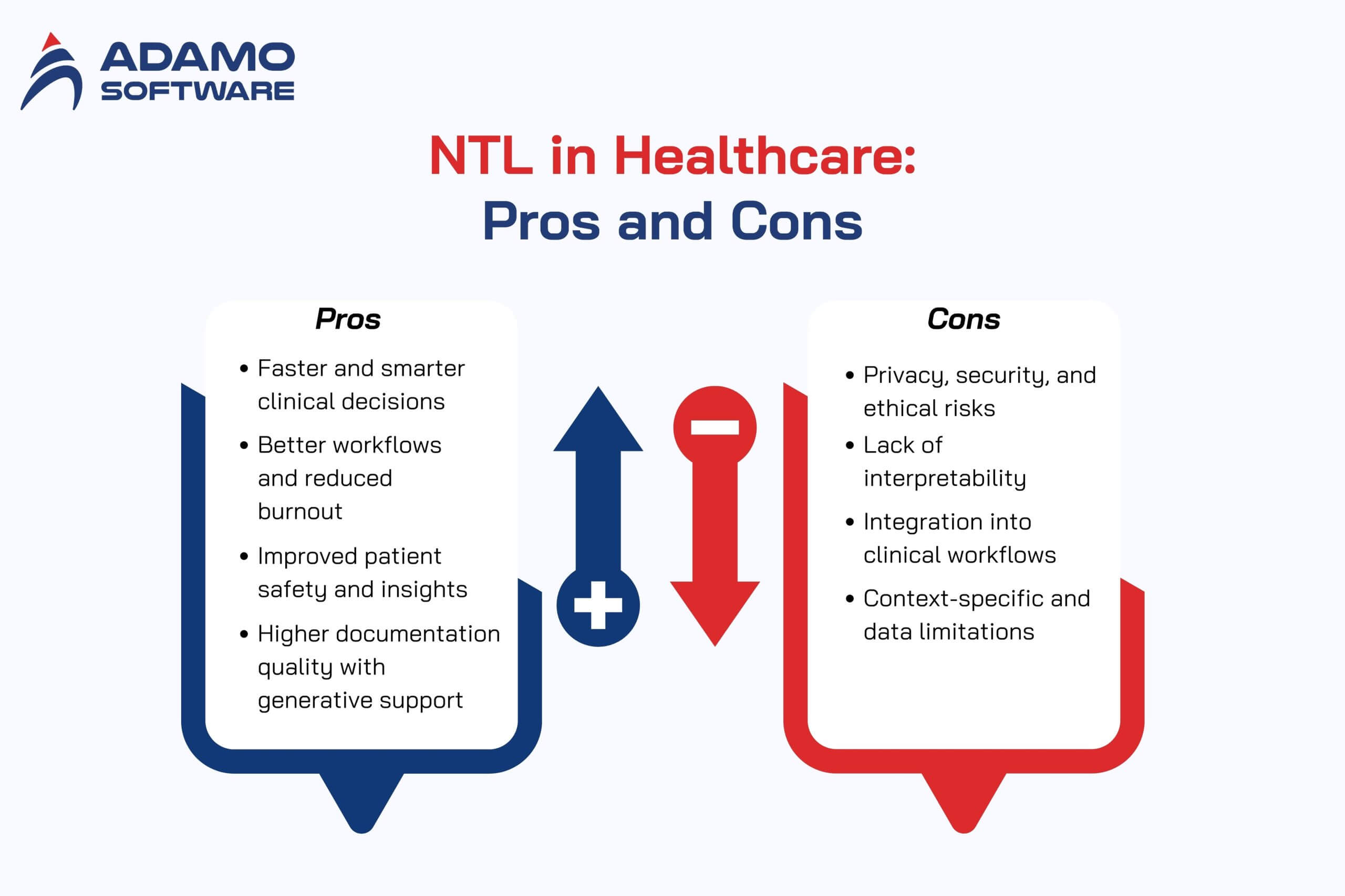
One of the key benefits of medical NLP is its ability to quickly process and analyze large volumes of clinical notes, research papers, and other medical documents. By extracting relevant information from these sources, NLP systems can assist healthcare providers in making more informed decisions regarding patient care and treatment plans. This not only saves time but also helps reduce errors and improve overall clinical outcomes.
Improving Patient Care
Medical NLP plays a crucial role in enhancing patient care by enabling healthcare professionals to access critical information efficiently. By automatically extracting key data points from medical records, NLP systems can provide valuable insights into a patient’s medical history, symptoms, diagnoses, and treatment progress. This helps doctors make more accurate diagnoses, identify potential risks early on, and tailor personalized treatment plans for each individual.
Advancing Medical Research
In addition to improving clinical decision-making and patient care, medical NLP is also driving advancements in medical research. By analyzing vast amounts of medical literature and research data, NLP systems can identify patterns, trends, and correlations that may have previously gone unnoticed. This has the potential to accelerate the discovery of new treatments, therapies, and interventions that can benefit patients worldwide.
Challenges and Opportunities
While medical NLP holds immense promise for transforming healthcare delivery and research, it also presents challenges such as data privacy concerns, ethical considerations, and the need for ongoing validation and refinement of algorithms. However, with proper safeguards in place and continued investment in research and development, the opportunities presented by medical NLP far outweigh the challenges.
In conclusion,
Medical Natural Language Processing is a powerful tool that has the potential to revolutionize healthcare by improving clinical decision-making,
enhancing patient care,
and advancing medical research.
By harnessing the capabilities of artificial intelligence
and language processing,
we can unlock new insights
and opportunities for innovation
in the field of medicine
and ultimately improve health outcomes for patients worldwide.
9 Essential Tips for Mastering Medical NLP: From Terminology to Data Privacy
- Understand medical terminology and abbreviations for accurate NLP processing.
- Use domain-specific datasets to train medical NLP models effectively.
- Incorporate context-aware algorithms to handle polysemous medical terms.
- Leverage pre-trained models like BioBERT for improved performance in medical texts.
- Ensure data privacy and compliance with regulations like HIPAA when handling patient data.
- Utilize named entity recognition (NER) to identify key medical entities in text.
- Apply sentiment analysis cautiously, as clinical notes can have nuanced meanings.
- Consider using ontologies like SNOMED CT for structured representation of concepts.
- Regularly update models with new data to keep up with evolving medical knowledge.
Understand medical terminology and abbreviations for accurate NLP processing.
To ensure accurate Natural Language Processing (NLP) in the medical field, it is essential to have a thorough understanding of medical terminology and abbreviations. Medical texts are often filled with complex terms and shorthand notations that hold specific meanings crucial for accurate analysis and interpretation. By mastering these specialized language elements, NLP systems can effectively extract meaningful insights from medical documents, enabling healthcare professionals to make informed decisions, provide precise diagnoses, and deliver tailored treatment plans for patients.
Use domain-specific datasets to train medical NLP models effectively.
To train medical NLP models effectively, it is crucial to utilize domain-specific datasets that are tailored to the unique language and terminology used in the healthcare industry. By leveraging datasets that contain medical records, clinical notes, research papers, and other healthcare-related documents, NLP models can better understand and interpret the nuances of medical language. This targeted approach not only improves the accuracy and performance of the models but also ensures that they are equipped to handle the complexities of medical data with precision and reliability.
Incorporate context-aware algorithms to handle polysemous medical terms.
Incorporating context-aware algorithms is essential in the field of Medical Natural Language Processing (NLP) to effectively handle polysemous medical terms. These algorithms take into account the surrounding context of a word to determine its intended meaning in a specific medical context, reducing ambiguity and improving the accuracy of data analysis and interpretation. By leveraging context-aware techniques, NLP systems can better differentiate between multiple meanings of a term based on the clinical scenario, ultimately enhancing the precision and reliability of medical text processing and decision-making in healthcare settings.
Leverage pre-trained models like BioBERT for improved performance in medical texts.
To enhance performance in analyzing medical texts, it is recommended to leverage pre-trained models like BioBERT. By utilizing specialized models trained on large medical datasets, such as BioBERT, healthcare professionals can achieve improved accuracy and efficiency in processing complex medical information. These pre-trained models are fine-tuned to understand the nuances of medical language, terminology, and context, making them highly effective tools for tasks such as clinical decision support, information extraction, and data mining in the healthcare domain. Incorporating BioBERT and similar pre-trained models into medical NLP workflows can significantly enhance the quality of analysis and interpretation of medical texts, ultimately leading to better healthcare outcomes for patients.
Ensure data privacy and compliance with regulations like HIPAA when handling patient data.
It is crucial to prioritize data privacy and adhere to regulations like HIPAA when working with patient data in the context of medical NLP. Safeguarding sensitive information is paramount to maintaining patient trust and upholding ethical standards in healthcare. By ensuring compliance with regulations and implementing robust data security measures, healthcare organizations can confidently leverage the power of medical NLP to improve clinical decision-making, enhance patient care, and advance medical research while protecting the confidentiality and integrity of patient data.
Utilize named entity recognition (NER) to identify key medical entities in text.
Utilizing named entity recognition (NER) in medical natural language processing (NLP) allows for the identification of key medical entities within text, such as diseases, medications, procedures, and anatomical terms. By employing NER technology, healthcare professionals can efficiently extract and categorize important medical information from vast amounts of unstructured data, enabling more accurate analysis and decision-making. This advanced technique not only streamlines the process of information retrieval but also enhances the overall quality of patient care by ensuring that crucial medical entities are identified and utilized effectively in clinical practice.
Apply sentiment analysis cautiously, as clinical notes can have nuanced meanings.
When utilizing sentiment analysis in medical Natural Language Processing (NLP), it is essential to exercise caution due to the nuanced meanings often present in clinical notes. Healthcare professionals must be aware that patient records and medical documentation can contain complex emotions, subtleties, and context-specific information that may not be accurately captured by automated sentiment analysis algorithms. Therefore, it is crucial to interpret sentiment analysis results in conjunction with clinical expertise and human judgment to ensure a comprehensive understanding of the patient’s condition and needs.
Consider using ontologies like SNOMED CT for structured representation of concepts.
When implementing Medical Natural Language Processing (NLP) systems, it is highly beneficial to consider using ontologies like SNOMED CT for structured representation of concepts. By leveraging ontologies such as SNOMED CT, which provide standardized and hierarchical representations of medical concepts and relationships, healthcare professionals can ensure that the extracted information is accurately categorized and easily interpretable. This structured approach not only enhances the efficiency and accuracy of NLP algorithms but also facilitates seamless integration with existing healthcare systems, ultimately leading to improved clinical decision-making and patient care outcomes.
Regularly update models with new data to keep up with evolving medical knowledge.
Regularly updating models with new data is crucial in the field of medical Natural Language Processing (NLP) to ensure that the systems stay relevant and effective in keeping up with the ever-evolving landscape of medical knowledge. By incorporating fresh data into the models, healthcare professionals can leverage the latest insights, research findings, and treatment protocols to enhance the accuracy and relevance of NLP-driven analyses. This proactive approach not only improves the performance of NLP systems but also enables healthcare providers to make more informed decisions based on the most up-to-date information available, ultimately leading to better patient care and outcomes.