The Intersection of Computer Science and Natural Language Processing (NLP)
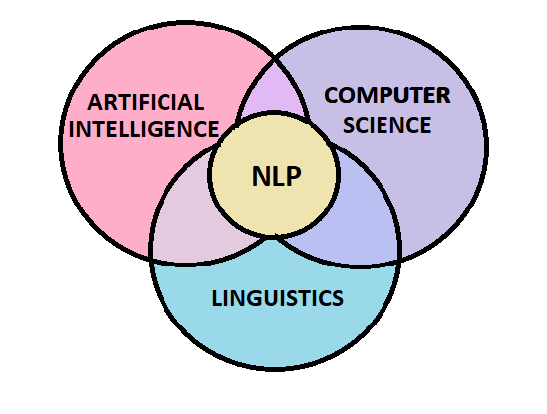
Computer science and natural language processing (NLP) are two fields that have increasingly intersected in recent years, leading to groundbreaking advancements in artificial intelligence and language technology.
Computer science, as a discipline, focuses on the study of algorithms, data structures, programming languages, and computer systems. It plays a crucial role in the development of software applications, operating systems, and other computing technologies.
On the other hand, NLP is a subfield of artificial intelligence that deals with the interaction between computers and human languages. It involves developing algorithms and models that enable computers to understand, interpret, and generate human language text.
One of the key areas where computer science and NLP converge is in the development of natural language processing tools and applications. These tools leverage computational algorithms to analyze large volumes of text data, extract meaningful information, and enable machines to comprehend human language more effectively.
Some common applications of computer science in NLP include:
- Machine Translation: Using algorithms to translate text from one language to another.
- Sentiment Analysis: Analyzing text data to determine sentiment or emotion expressed by users.
- Text Summarization: Generating concise summaries from large volumes of text.
- Named Entity Recognition: Identifying names of entities such as people, organizations, or locations in text.
The integration of computer science principles with NLP has led to significant advancements in areas such as chatbots, virtual assistants, search engines, and automated content generation. These technologies have transformed how we interact with computers and access information online.
In conclusion, the synergy between computer science and natural language processing continues to drive innovation in AI-driven solutions that enhance communication, information retrieval, and decision-making processes. As researchers and developers explore new possibilities at this intersection, we can expect even more exciting developments that will shape the future of technology and human-computer interaction.
9 Essential Tips for Mastering Natural Language Processing in Computer Science
- Understand the basics of natural language processing (NLP) algorithms.
- Stay updated on the latest advancements in NLP technology.
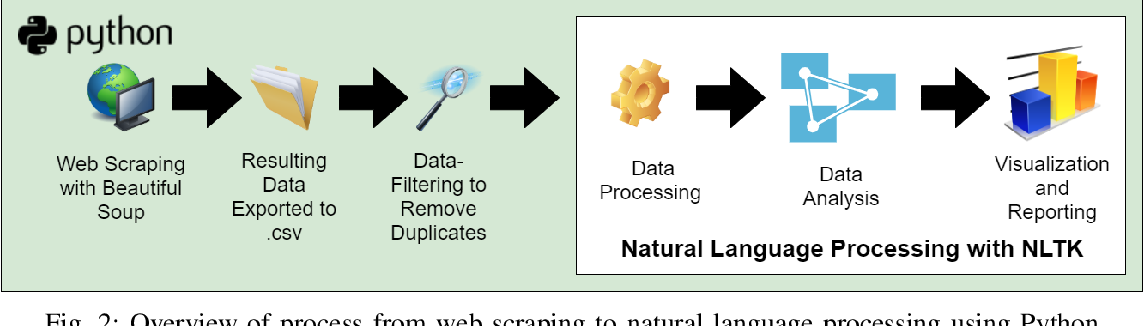
- Practice coding with NLP libraries such as NLTK, SpaCy, or Gensim.
- Experiment with different pre-processing techniques for text data.
- Learn about word embeddings like Word2Vec and GloVe for semantic analysis.
- Explore various NLP tasks such as sentiment analysis, named entity recognition, and machine translation.
- Understand how neural networks and deep learning are applied in NLP models.
- Consider ethical implications when working with sensitive textual data.
- Collaborate with others in the field to exchange ideas and learn from their experiences.
Understand the basics of natural language processing (NLP) algorithms.
To excel in the field of computer science and natural language processing (NLP), it is essential to grasp the fundamentals of NLP algorithms. Understanding the basics of NLP algorithms is crucial for developing effective language processing tools and applications. By familiarizing oneself with how these algorithms work, one can gain insights into how computers analyze, interpret, and generate human language text. This knowledge forms the foundation for creating innovative solutions that leverage NLP to enhance communication, automate tasks, and extract valuable insights from textual data.
Stay updated on the latest advancements in NLP technology.
To stay ahead in the dynamic field of computer science and natural language processing (NLP), it is crucial to stay updated on the latest advancements in NLP technology. By keeping abreast of emerging trends, new algorithms, and innovative applications in NLP, professionals can harness the power of cutting-edge tools and techniques to enhance their work and drive meaningful progress in the field. Continuous learning and adaptation to new developments are essential for staying competitive and leveraging the full potential of NLP technology in various domains.
Practice coding with NLP libraries such as NLTK, SpaCy, or Gensim.
To enhance your skills in computer science and natural language processing (NLP), it is highly beneficial to practice coding with NLP libraries like NLTK, SpaCy, or Gensim. These libraries offer a wide range of tools and functionalities that can help you analyze and process text data more efficiently. By working with these libraries, you can gain hands-on experience in implementing NLP algorithms, performing text analysis tasks, and building powerful language processing applications. Practice coding with NLP libraries not only strengthens your programming skills but also deepens your understanding of how computational methods can be applied to language-related challenges.
Experiment with different pre-processing techniques for text data.
To enhance the performance of natural language processing (NLP) models in computer science, it is essential to experiment with various pre-processing techniques for text data. By exploring different methods such as tokenization, stemming, lemmatization, and stop-word removal, researchers and developers can optimize the quality and relevance of textual information fed into NLP algorithms. These pre-processing steps play a crucial role in improving the accuracy and efficiency of NLP tasks such as sentiment analysis, text classification, and information retrieval, ultimately leading to more robust and effective language processing systems.
Learn about word embeddings like Word2Vec and GloVe for semantic analysis.
To delve deeper into the realm of computer science and natural language processing (NLP), it is highly beneficial to explore word embeddings such as Word2Vec and GloVe. These sophisticated techniques play a pivotal role in semantic analysis by representing words as dense vectors in a continuous space. By understanding word embeddings, researchers and developers can unlock the power of contextual relationships between words, enabling more accurate language understanding and interpretation in various NLP applications.
Explore various NLP tasks such as sentiment analysis, named entity recognition, and machine translation.
To delve deeper into the realm of computer science and natural language processing (NLP), it is highly recommended to explore a range of NLP tasks, including sentiment analysis, named entity recognition, and machine translation. By engaging with these diverse tasks, individuals can gain valuable insights into how algorithms and models are applied to analyze and understand human language, paving the way for enhanced communication, information extraction, and language processing capabilities.
Understand how neural networks and deep learning are applied in NLP models.
To excel in the field of computer science NLP, it is crucial to grasp the application of neural networks and deep learning in NLP models. Neural networks play a fundamental role in processing and analyzing vast amounts of language data, enabling machines to learn patterns and relationships within text. Deep learning techniques, which involve multiple layers of neural networks, have revolutionized NLP by enhancing the accuracy and complexity of language processing tasks. Understanding how neural networks and deep learning are integrated into NLP models is essential for developing advanced language technologies that can interpret and generate human language with remarkable precision and efficiency.
Consider ethical implications when working with sensitive textual data.
When delving into the realm of computer science and natural language processing (NLP), it is crucial to consider the ethical implications that arise when handling sensitive textual data. As technology advances and algorithms become more sophisticated in analyzing human language, it is imperative to prioritize data privacy, security, and ethical decision-making. Respecting confidentiality, ensuring informed consent, and implementing robust data protection measures are essential practices to uphold ethical standards when working with sensitive textual data in the field of NLP.
Collaborate with others in the field to exchange ideas and learn from their experiences.
Collaborating with peers and experts in the field of computer science and natural language processing (NLP) is invaluable for expanding knowledge, gaining insights, and fostering innovation. By actively engaging with others in the industry, sharing ideas, and learning from their experiences, individuals can broaden their perspectives, stay updated on the latest trends and advancements, and collectively push the boundaries of what is possible in this dynamic and rapidly evolving field. Such collaborations not only enhance individual growth but also contribute to the overall progress and success of the entire community dedicated to advancing computer science and NLP technologies.