NLP on Simplilearn: A Guide to Learning Natural Language Processing
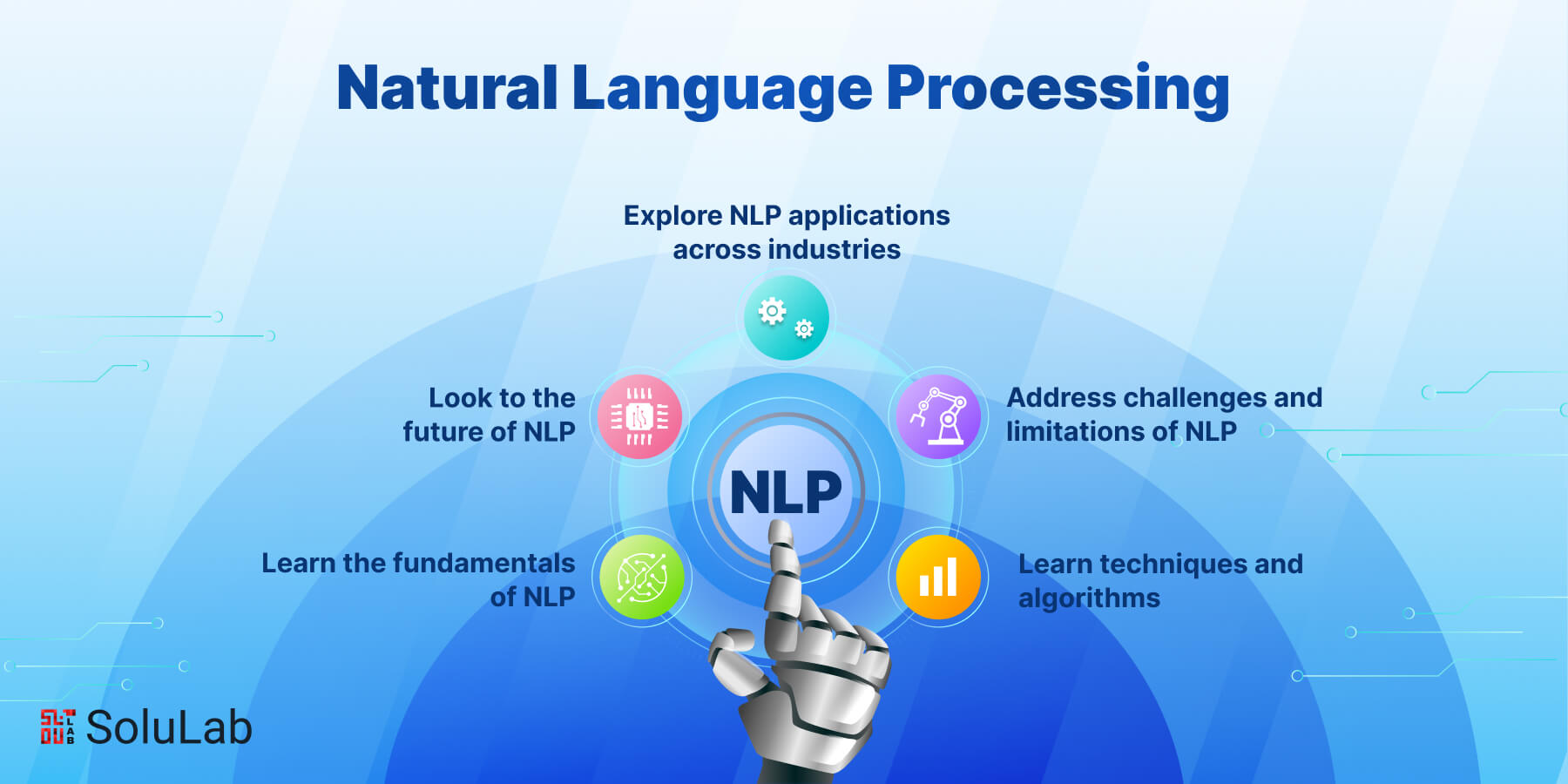
Natural language processing (NLP) helps computers work with human language. It powers tools such as translation systems, search engines, chatbots, and text analysis software. For learners searching for “NLP Simplilearn,” the goal is often to find an accessible introduction to the subject and understand how it connects to practical artificial intelligence applications.
Simplilearn is an online learning provider that publishes educational resources and offers training in technology and business subjects. Its NLP-related materials can serve as a starting point for exploring language technology. However, course availability, pricing, curriculum, and certificate requirements can change, so checking the current course page is essential before enrolling.
What Is Natural Language Processing?
NLP is a field of artificial intelligence concerned with analyzing, interpreting, and generating human language. It brings together computational methods, linguistics, and machine learning to handle tasks involving text and speech.
Human language is difficult for computers because meaning depends on context. The word “bank,” for example, can refer to a financial institution or the edge of a river. An NLP system needs contextual information to distinguish between those meanings.
Common NLP applications include:
- Machine translation: Translating text between languages.
- Sentiment analysis: Identifying opinions or emotional tone in text.
- Text classification: Organizing messages, documents, or support tickets into categories.
- Information extraction: Identifying names, dates, organizations, and other relevant details.
- Summarization: Producing shorter versions of longer documents.
- Conversational systems: Supporting interactions with chatbots and virtual assistants.
What to Look for in Simplilearn NLP Learning Materials
When evaluating an NLP tutorial or course on Simplilearn, look beyond the title. A useful learning path should explain both foundational ideas and practical implementation.
Text Preparation and Tokenization
Introductory materials should explain how text becomes input that software can process. Topics may include tokenization, normalization, and handling punctuation or missing data. Preprocessing should be matched to the task: removing punctuation or common words indiscriminately can discard useful meaning.
Numerical Text Representations
Machine learning models operate on numerical representations. Foundational approaches include bag-of-words and TF-IDF, while embeddings represent relationships between words or larger pieces of text. Understanding these approaches helps explain why some methods capture context better than others.
Models and Evaluation
A balanced curriculum should introduce appropriate models and explain how to measure their performance. For classification, useful metrics include precision, recall, and F1 score. Translation and summarization require different evaluation approaches, often combining automated metrics with human review.
Transformers and Modern Language Models
Modern NLP relies heavily on transformer architectures. Learning resources should explain how attention helps models process contextual relationships and distinguish among using a pretrained model, fine-tuning it, and prompting it. These are related but different ways to apply language models.
Skills That Help Before Studying NLP
Conceptual introductions may require little technical preparation. Hands-on projects are easier with basic Python knowledge, familiarity with data handling, and an understanding of introductory machine learning concepts such as training data, test data, and overfitting.
Useful tools to recognize include scikit-learn for traditional machine learning workflows, spaCy and NLTK for language-processing tasks, and Hugging Face Transformers for working with pretrained models. Their inclusion in any particular Simplilearn course should be verified rather than assumed.
How NLP Supports AI Translation
NLP is central to machine translation because translating accurately requires more than replacing individual words. Systems must account for sentence structure, context, idioms, and differences in meaning across languages.
Studying NLP can help explain why a translation sounds fluent but still contains an error. It also highlights the importance of terminology consistency, representative evaluation data, and human review. Legal, medical, and other high-stakes translations warrant qualified professional oversight.
How to Choose a Suitable Course
Before selecting a Simplilearn NLP course or learning resource, check the intended skill level, publication or update date, prerequisites, practical exercises, and access conditions. Confirm whether assessments and certificates are included or require payment.
For beginners, a clear introduction followed by a small project is often more useful than a broad course completed without practice. Classifying customer feedback or extracting entities from public sample text can help turn theory into practical understanding.
Conclusion
Searching for “NLP Simplilearn” can be a useful first step toward learning natural language processing. The strongest learning approach combines clear explanations, hands-on experimentation, and careful evaluation of results. Whether the goal is understanding AI translation or building text-based applications, a solid foundation in NLP makes language technology easier to assess and use responsibly.
NLP FAQs: 5 Steps, Key Challenges, Best Courses, and Top Companies | Simplilearn
- What are the 5 steps in NLP?
- Why is NLP difficult?
- What is the best course for NLP?
- Which company is best at NLP?
What are the 5 steps in NLP?
The five commonly described steps in natural language processing (NLP) are lexical analysis, syntactic analysis, semantic analysis, discourse integration, and pragmatic analysis. Lexical analysis breaks text into words or tokens; syntactic analysis examines sentence structure; semantic analysis interprets meaning; discourse integration considers how sentences relate to one another; and pragmatic analysis uses context and real-world knowledge to infer the speaker’s intended meaning. Specific NLP workflows may combine or rename these stages, but together they show how a system can move from raw text toward contextual understanding.
Why is NLP difficult?
NLP is difficult because human language is complex, ambiguous, and constantly changing. Words can have several meanings, context can change what a sentence implies, and people often use slang, sarcasm, misspellings, or incomplete phrases. Languages also differ in grammar and cultural references, while training data may contain bias or fail to represent all speakers. As a result, NLP systems need large amounts of relevant data and careful testing to understand language reliably.
What is the best course for NLP?
The best course for natural language processing (NLP) depends on your experience, goals, and budget. Beginners should look for clear explanations of text preprocessing, text representation, and basic machine learning, along with guided Python projects. More advanced learners may benefit from courses covering transformers, pretrained language models, and model evaluation. If you’re considering Simplilearn, review the current syllabus, prerequisites, hands-on exercises, pricing, and certificate requirements before enrolling. Choose a course that matches your skill level and helps you build practical NLP applications, rather than relying on the course title alone.
Which company is best at NLP?
There isn’t one company that is best at natural language processing (NLP) for every use case. Organizations such as Google, OpenAI, Microsoft, Anthropic, Amazon, and IBM offer widely used language technologies, but their strengths, pricing, language coverage, privacy options, and integration capabilities vary. The right choice depends on what you need—such as translation, text analysis, or a chatbot—so compare current performance, costs, data policies, and support for your requirements before deciding.