The Power of Data in Natural Language Processing (NLP)
Natural Language Processing (NLP) is a branch of artificial intelligence that focuses on enabling computers to understand, interpret, and generate human language. At the core of NLP lies data – vast amounts of text, speech, and other linguistic data that fuel the algorithms and models used to process and analyze language.
With the exponential growth of digital content and communication channels, the availability of data has become crucial for the advancement of NLP technologies. The more data a system has access to, the better it can learn patterns, relationships, and nuances in language, leading to more accurate and effective natural language processing.
The Role of Data in NLP
Data plays a fundamental role in all aspects of natural language processing:
- Training Models: NLP models, such as neural networks and deep learning algorithms, require large amounts of annotated data to train effectively. This data is used to teach the model how to recognize patterns in language, understand semantics, and generate coherent responses.
- Improving Accuracy: By feeding NLP systems with diverse and high-quality data, developers can enhance the accuracy and performance of their models. Data helps refine algorithms, reduce bias, and adapt models to different languages or dialects.
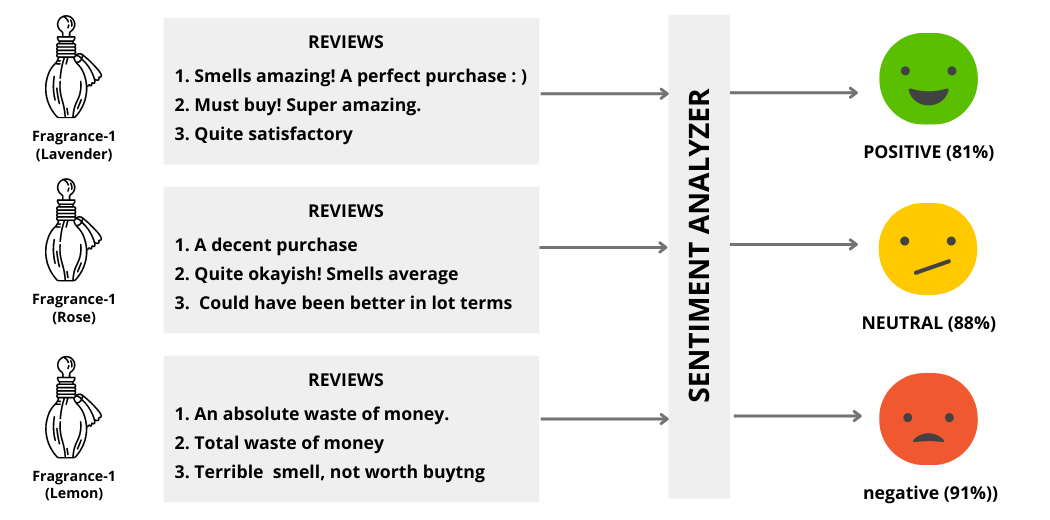
- Language Understanding: Through analyzing vast datasets of text and speech data, NLP systems can learn how humans use language in different contexts. This enables them to comprehend sentiment, detect entities, extract information, and perform other complex language tasks.
- Customization: Data allows organizations to tailor NLP solutions to their specific needs by training models on domain-specific or industry-specific datasets. This customization ensures that the system can accurately process specialized terminology or jargon.
The Future of Data-Driven NLP
As the field of natural language processing continues to evolve rapidly, the role of data will only become more critical. With advancements in machine learning techniques, such as transfer learning and unsupervised learning, NLP systems are becoming more adept at handling diverse languages, dialects, and tasks.
Innovations in data collection methods, such as web scraping tools and crowdsourcing platforms, are enabling researchers and developers to access vast amounts of linguistic data for training purposes. Additionally, privacy concerns around personal data are driving the development of privacy-preserving techniques that allow for secure processing of sensitive information.
In conclusion, data is not just a fuel for natural language processing – it is the lifeblood that powers innovation and drives progress in understanding human language. By harnessing the power of data-driven approaches in NLP research and development, we can unlock new possibilities for communication between humans and machines.
Top 9 FAQs About the Role of Data in Natural Language Processing (NLP)
- What is Natural Language Processing (NLP) in data?
- How does data play a role in Natural Language Processing?
- Why is data important for training NLP models?
- What are the common applications of NLP in handling data?
- How can data improve the accuracy of NLP systems?
- What challenges are associated with using data in NLP?
- How do NLP models utilize large datasets for language understanding?
- What techniques are used to collect and preprocess data for NLP tasks?
- Can NLP systems be customized based on different types of data?
What is Natural Language Processing (NLP) in data?
Natural Language Processing (NLP) in data refers to the field of artificial intelligence that focuses on enabling computers to understand, interpret, and generate human language. It involves the development of algorithms and models that can process and analyze vast amounts of text, speech, and other linguistic data. NLP in data plays a crucial role in various applications, such as chatbots, sentiment analysis, language translation, information extraction, and more. By leveraging advanced techniques like machine learning and deep learning, NLP in data aims to bridge the gap between human language and machine understanding, ultimately revolutionizing the way we interact with technology and information.
How does data play a role in Natural Language Processing?
Data plays a crucial role in Natural Language Processing (NLP) by serving as the foundation for training, improving accuracy, enhancing language understanding, and enabling customization of NLP models. In NLP, data is used to train models such as neural networks and deep learning algorithms, allowing them to recognize patterns in language and generate coherent responses. By feeding NLP systems with diverse and high-quality data, developers can refine algorithms, reduce bias, and adapt models to different languages or dialects. Analyzing vast datasets of text and speech data helps NLP systems comprehend sentiment, detect entities, extract information, and perform various language tasks effectively. Furthermore, organizations can customize NLP solutions by training models on domain-specific datasets, ensuring accurate processing of specialized terminology or jargon.
Why is data important for training NLP models?
Data is crucial for training NLP models because it serves as the foundation upon which these models learn to understand and process human language. The quality, quantity, and diversity of data directly impact the accuracy and effectiveness of NLP algorithms. By exposing NLP models to a wide range of annotated text and speech data, developers can help them recognize patterns, semantics, and contextual nuances in language. Data allows NLP systems to improve their language comprehension, enhance their ability to generate coherent responses, and adapt to different linguistic variations. In essence, data is the key ingredient that empowers NLP models to continuously learn and evolve, making them more proficient at tasks such as sentiment analysis, entity recognition, information extraction, and language translation.
What are the common applications of NLP in handling data?
One frequently asked question about data in Natural Language Processing (NLP) is: “What are the common applications of NLP in handling data?” NLP has a wide range of applications when it comes to processing and analyzing textual data. Some common applications include sentiment analysis, text classification, named entity recognition, machine translation, chatbots, speech recognition, and information extraction. These applications leverage NLP techniques to extract insights from unstructured text data, automate tasks that involve language understanding, and improve user interactions with systems that rely on natural language processing capabilities.
How can data improve the accuracy of NLP systems?
Data plays a crucial role in enhancing the accuracy of Natural Language Processing (NLP) systems by providing the necessary foundation for training and fine-tuning algorithms. By feeding NLP models with diverse and high-quality datasets, developers can improve the system’s ability to recognize patterns, understand semantics, and generate coherent responses. Through extensive exposure to different linguistic contexts and variations, NLP systems can learn to adapt to various languages, dialects, and nuances in human communication. The abundance of data allows for continuous refinement of algorithms, reducing biases, and enabling customization to specific domains or industries. Ultimately, the quality and quantity of data directly impact the performance and effectiveness of NLP systems in accurately processing and interpreting human language.
What challenges are associated with using data in NLP?
One of the frequently asked questions regarding data in Natural Language Processing (NLP) is about the challenges associated with its use. One major challenge is the availability and quality of data. NLP models require large amounts of diverse and annotated data to train effectively, but obtaining such data can be time-consuming and expensive. Additionally, ensuring the data is representative of different languages, dialects, and domains poses a challenge. Another common issue is data bias, where the training data may reflect societal biases or lack diversity, leading to skewed results and inaccurate predictions. Data privacy and security concerns also arise when dealing with sensitive text data, requiring robust measures to protect user information while still enabling effective NLP processing. Addressing these challenges is crucial for advancing the field of NLP and developing more accurate and ethical language processing systems.
How do NLP models utilize large datasets for language understanding?
NLP models leverage large datasets for language understanding by training on vast amounts of annotated text and speech data. These datasets serve as the foundation for teaching the models how to recognize patterns, semantics, and relationships within language. By exposing the models to diverse linguistic examples, NLP systems can learn to comprehend sentiment, extract information, detect entities, and perform various language tasks with greater accuracy and efficiency. The abundance of data enables NLP models to generalize language rules and nuances, adapt to different contexts, and continuously improve their performance in understanding and processing human language.
What techniques are used to collect and preprocess data for NLP tasks?
When it comes to collecting and preprocessing data for Natural Language Processing (NLP) tasks, a variety of techniques are employed to ensure the quality and relevance of the data used. Data collection methods may include web scraping, text mining, and crowdsourcing to gather diverse and extensive linguistic datasets. Preprocessing techniques involve tasks such as tokenization, stemming, lemmatization, and removing stopwords to clean and standardize the text data before feeding it into NLP models. These processes are essential for enhancing the accuracy and performance of NLP systems by ensuring that the input data is structured, consistent, and optimized for language analysis and understanding.
Can NLP systems be customized based on different types of data?
One frequently asked question in the field of data NLP is whether NLP systems can be customized based on different types of data. The answer is yes – NLP systems can indeed be tailored and customized to accommodate various types of data, ranging from general text to domain-specific language. By training NLP models on specific datasets that reflect the language patterns and characteristics of a particular domain or industry, developers can enhance the system’s accuracy, relevance, and performance for specialized tasks. This customization allows NLP systems to effectively process and analyze diverse types of data, enabling them to provide more precise and contextually relevant results for specific applications and use cases.