The Power of NLP Data Mining
In the world of data analysis and artificial intelligence, Natural Language Processing (NLP) data mining has emerged as a powerful tool for extracting valuable insights from unstructured text data. NLP data mining combines the fields of linguistics, computer science, and machine learning to process and analyze large volumes of text data in a meaningful way.
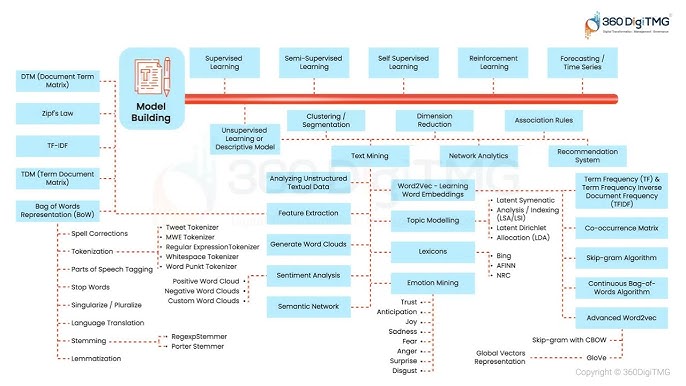
One of the key advantages of NLP data mining is its ability to understand human language and extract relevant information from text sources such as social media posts, customer reviews, emails, and more. By applying various techniques such as sentiment analysis, entity recognition, and topic modeling, NLP algorithms can uncover patterns, trends, and relationships within textual data that would be difficult or impossible for humans to identify manually.
Businesses across industries are increasingly turning to NLP data mining to gain valuable insights into customer preferences, market trends, competitor strategies, and more. By leveraging NLP technologies, organizations can automate the process of analyzing large amounts of textual data, enabling them to make informed decisions quickly and efficiently.
Furthermore, NLP data mining plays a crucial role in improving search engine algorithms, chatbot functionalities, language translation services, and other applications that require understanding and processing human language. By continuously refining NLP models through machine learning techniques and training them on vast amounts of textual data, researchers and developers are pushing the boundaries of what is possible in natural language understanding.
As the volume of digital text data continues to grow exponentially, the importance of NLP data mining will only increase. By harnessing the power of NLP algorithms to extract insights from unstructured text sources, businesses can stay ahead of the competition, enhance customer experiences, and unlock new opportunities for growth.
Unlocking Business Potential: 6 Advantages of NLP Data Mining
- Automates analysis of large volumes of text data
- Extracts valuable insights and patterns from unstructured text sources
- Enhances decision-making processes for businesses
- Improves search engine algorithms and chatbot functionalities
- Facilitates sentiment analysis and topic modeling with high accuracy
- Enables organizations to stay competitive in the digital age
Challenges in NLP Data Mining: Addressing Bias, Resource Demands, Privacy, Contextual Understanding, and Human Oversight
- 1. Bias in data and algorithms can lead to inaccurate or unfair results.
- 2. NLP data mining requires significant computational resources and expertise to implement effectively.
- 3. Privacy concerns may arise due to the sensitive nature of text data being analyzed.
- 4. NLP algorithms may struggle with understanding context, sarcasm, or nuances in language, leading to errors in analysis.
- 5. Overreliance on NLP data mining without human oversight can result in misinterpretation of findings and misguided decision-making.
Automates analysis of large volumes of text data
Automating the analysis of large volumes of text data is a significant advantage of NLP data mining. By utilizing advanced algorithms and machine learning techniques, NLP systems can efficiently process and extract valuable insights from vast amounts of unstructured text sources such as social media posts, customer feedback, and research articles. This automation not only saves time and resources but also enables businesses to uncover hidden patterns, trends, and relationships within the data that would be challenging to identify manually. The ability to automate text data analysis through NLP empowers organizations to make faster, more informed decisions based on comprehensive and accurate information.
Extracts valuable insights and patterns from unstructured text sources
Natural Language Processing (NLP) data mining offers a significant advantage by extracting valuable insights and patterns from unstructured text sources. By utilizing advanced algorithms and techniques, NLP can sift through vast amounts of textual data from sources like social media, customer feedback, and emails to uncover hidden trends, sentiments, and relationships that provide valuable insights for businesses and researchers. This capability allows organizations to make informed decisions, understand customer preferences, and identify emerging market trends with precision and efficiency.
Enhances decision-making processes for businesses
Natural Language Processing (NLP) data mining enhances decision-making processes for businesses by providing valuable insights extracted from unstructured text data. By analyzing and interpreting textual information from various sources such as customer feedback, social media interactions, and market trends, NLP algorithms empower organizations to make informed decisions quickly and accurately. This proactive approach to data analysis enables businesses to identify patterns, trends, and key information that may not be readily apparent through traditional methods, ultimately leading to more strategic and effective decision-making across all levels of the organization.
Improves search engine algorithms and chatbot functionalities
Natural Language Processing (NLP) data mining plays a crucial role in enhancing search engine algorithms and chatbot functionalities by enabling more accurate and relevant responses to user queries. By analyzing and understanding the context, intent, and sentiment of user input, NLP algorithms can improve search engine results by providing more personalized and precise information. Similarly, in the realm of chatbots, NLP data mining allows for better conversational interactions between users and bots, leading to more effective communication and problem-solving capabilities. Overall, the integration of NLP data mining in search engines and chatbots enhances user experiences by delivering tailored responses that meet individual needs and preferences.
Facilitates sentiment analysis and topic modeling with high accuracy
Natural Language Processing (NLP) data mining excels in facilitating sentiment analysis and topic modeling with exceptional accuracy. By leveraging advanced algorithms and machine learning techniques, NLP systems can effectively analyze text data to determine the sentiment or emotional tone expressed within the content. Additionally, NLP enables precise topic modeling by identifying key themes and subjects present in a body of text, providing valuable insights for businesses and researchers alike. The high accuracy of sentiment analysis and topic modeling achieved through NLP data mining enhances decision-making processes, improves customer understanding, and drives strategic initiatives based on reliable data-driven insights.
Enables organizations to stay competitive in the digital age
In the fast-paced digital age, Natural Language Processing (NLP) data mining empowers organizations to stay competitive by providing valuable insights from vast amounts of unstructured text data. By leveraging NLP technologies to analyze and extract meaningful information from sources like social media, customer feedback, and market trends, businesses can make informed decisions quickly and effectively. This ability to harness the power of NLP data mining allows organizations to adapt to changing market dynamics, anticipate customer needs, and innovate in ways that keep them ahead of the curve in today’s rapidly evolving digital landscape.
1. Bias in data and algorithms can lead to inaccurate or unfair results.
In the realm of Natural Language Processing (NLP) data mining, a significant con to be wary of is the presence of bias in both the data being analyzed and the algorithms used for processing. Bias in data and algorithms can introduce inaccuracies and unfairness in the results generated through NLP data mining. When the underlying data used to train NLP models contains biases, such as gender or racial stereotypes, these biases can be perpetuated and amplified in the outcomes produced by the algorithms. This can lead to skewed or discriminatory results that do not accurately reflect the true nature of the data being analyzed, potentially reinforcing existing societal inequalities. It is crucial for practitioners and researchers in NLP data mining to actively address and mitigate bias in order to ensure that their analyses are objective, ethical, and representative of diverse perspectives.
2. NLP data mining requires significant computational resources and expertise to implement effectively.
One significant drawback of NLP data mining is the substantial demand for computational resources and specialized expertise needed for its effective implementation. Developing and deploying NLP algorithms that can accurately process and analyze large volumes of text data requires powerful hardware infrastructure, such as high-performance servers and GPUs, to handle the complex computations involved. Moreover, expertise in machine learning, natural language processing, and data analysis is essential to fine-tune algorithms, optimize performance, and interpret results accurately. This requirement for advanced resources and skills can pose a barrier for organizations with limited technical capabilities or budget constraints looking to leverage NLP data mining for insights and decision-making processes.
3. Privacy concerns may arise due to the sensitive nature of text data being analyzed.
Privacy concerns may arise in NLP data mining due to the sensitive nature of text data being analyzed. As NLP algorithms delve into unstructured text sources such as personal messages, emails, and social media posts, there is a risk of exposing individuals’ private information and breaching confidentiality. The potential for unauthorized access or misuse of this data raises valid concerns about privacy protection and ethical considerations in the context of data mining practices. Organizations must prioritize implementing robust security measures and ethical guidelines to safeguard individuals’ privacy rights while leveraging the benefits of NLP technology for analysis and insights.
4. NLP algorithms may struggle with understanding context, sarcasm, or nuances in language, leading to errors in analysis.
One significant drawback of NLP data mining is that NLP algorithms may struggle to grasp the context, sarcasm, or subtle nuances present in human language. This limitation can result in errors and misinterpretations during the analysis process. Since human communication often relies heavily on context and tone to convey meaning, NLP algorithms may face challenges in accurately capturing the full intent behind a text, especially when dealing with colloquial language or figurative expressions. As a result, the potential for misunderstanding or misclassification of data poses a notable concern when utilizing NLP data mining for decision-making or insights extraction.
5. Overreliance on NLP data mining without human oversight can result in misinterpretation of findings and misguided decision-making.
Overreliance on NLP data mining without human oversight can lead to misinterpretation of findings and misguided decision-making. While NLP algorithms are powerful tools for processing and analyzing text data, they may not always capture the full context, nuances, or cultural subtleties present in human language. Without human intervention to provide critical thinking and contextual understanding, there is a risk of drawing inaccurate conclusions or making decisions based on flawed interpretations of the data. It is essential to strike a balance between leveraging the capabilities of NLP data mining and incorporating human judgment to ensure that the insights derived are accurate and actionable.