The Power of Natural Language Processing (NLP) Tools
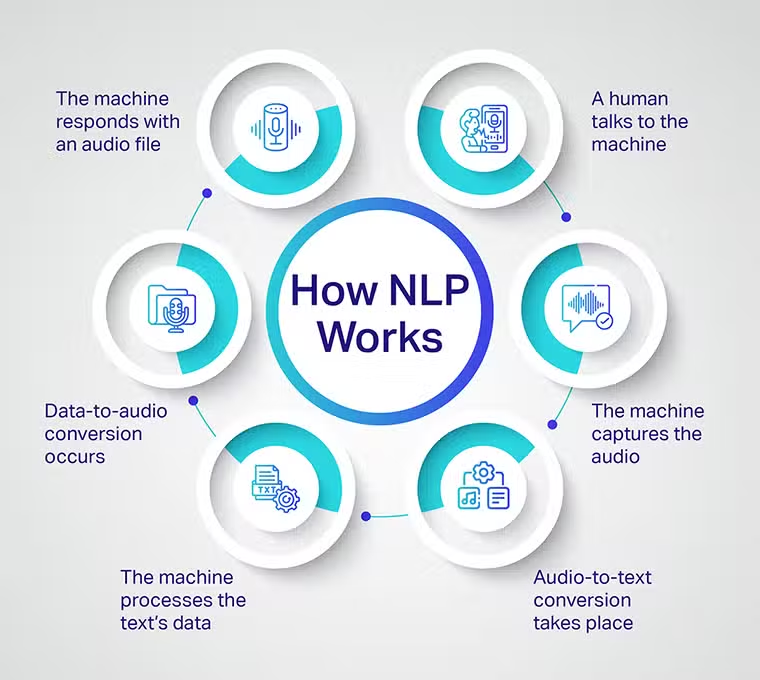
Natural Language Processing (NLP) is a branch of artificial intelligence that focuses on the interaction between computers and humans using natural language. NLP tools are revolutionizing the way we interact with technology, enabling machines to understand, interpret, and generate human language.
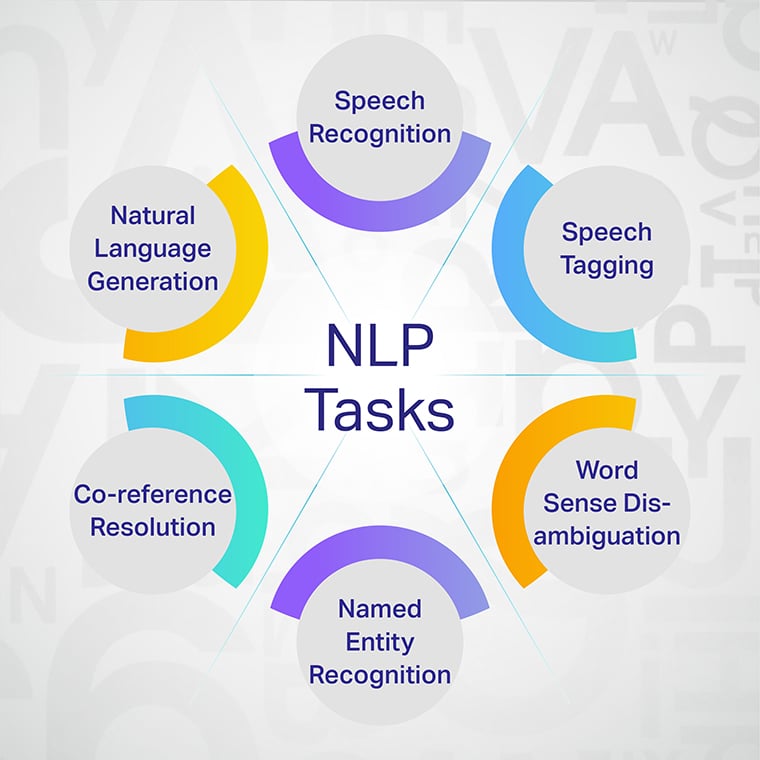
There are various NLP tools available today that are shaping the future of communication and information processing. These tools utilize algorithms and linguistic rules to analyze text data, extract meaning, and perform tasks such as sentiment analysis, text summarization, named entity recognition, and machine translation.
One of the key benefits of NLP tools is their ability to process large volumes of text data quickly and accurately. This makes them invaluable for businesses looking to automate processes such as customer support, content analysis, and data extraction.
Sentiment analysis is a popular application of NLP tools that helps businesses understand customer opinions and emotions expressed in online reviews, social media posts, and other text sources. By analyzing sentiment data, companies can gain valuable insights into customer preferences, trends, and concerns.
Text summarization is another important use case for NLP tools, allowing users to automatically generate concise summaries of long documents or articles. This can save time for researchers, journalists, and content creators who need to quickly grasp the main points of a piece of text.
Named entity recognition is a feature commonly found in NLP tools that identifies and classifies named entities such as names of people, organizations, locations, dates, and more within a text. This can be useful for organizing information or extracting specific details from unstructured data.
Machine translation is perhaps one of the most well-known applications of NLP tools. With advancements in deep learning models such as neural machine translation (NMT), machines are now able to translate text between multiple languages with impressive accuracy.
In conclusion, NLP tools are powerful instruments that are transforming the way we interact with language and information. As technology continues to advance in this field, we can expect even more sophisticated applications that will further enhance our ability to communicate effectively across linguistic boundaries.
8 Essential Tips for Choosing and Using NLP Tools Effectively
- Understand the basics of natural language processing (NLP) before diving into specific tools.
- Choose the right NLP tool based on your project requirements and expertise level.
- Experiment with popular NLP libraries such as NLTK, SpaCy, and Gensim to find what works best for you.
- Stay updated with the latest advancements in NLP tools and techniques.
- Utilize pre-trained models to save time and resources in developing NLP applications.
- Consider the scalability and performance of NLP tools when working on large datasets or complex tasks.
- Explore different features offered by NLP tools, such as named entity recognition, sentiment analysis, and text summarization.
- Join online communities or forums related to NLP to learn from others’ experiences and get help when needed.
Understand the basics of natural language processing (NLP) before diving into specific tools.
Before delving into the realm of specific tools for natural language processing (NLP), it is crucial to grasp the fundamentals of NLP. Understanding the basics of NLP, such as how machines interpret and generate human language, lays a strong foundation for effectively utilizing NLP tools. By familiarizing oneself with key concepts like text analysis, sentiment recognition, and language modeling, individuals can make informed decisions when selecting and implementing NLP tools to address their specific needs.
Choose the right NLP tool based on your project requirements and expertise level.
When diving into the realm of Natural Language Processing (NLP), it is crucial to select the appropriate NLP tool that aligns with your project’s specific needs and your level of expertise. By carefully evaluating the functionalities, capabilities, and complexity of different NLP tools, you can ensure that you choose a tool that best suits the requirements of your project and matches your proficiency in utilizing such technology. This strategic decision-making process will not only enhance the efficiency and accuracy of your NLP tasks but also contribute to a more successful implementation of NLP solutions tailored to your unique objectives.
Experiment with popular NLP libraries such as NLTK, SpaCy, and Gensim to find what works best for you.
To enhance your proficiency in Natural Language Processing (NLP), it is recommended to experiment with renowned NLP libraries like NLTK, SpaCy, and Gensim. By exploring the functionalities and features of these tools, you can determine which one aligns best with your specific needs and preferences. Each library offers unique capabilities and advantages, allowing you to tailor your NLP projects effectively and efficiently. Experimenting with these popular NLP libraries will not only broaden your understanding of NLP techniques but also empower you to optimize your workflow for better results.
Stay updated with the latest advancements in NLP tools and techniques.
To maximize the benefits of NLP tools, it is crucial to stay informed and up-to-date with the latest advancements in the field. By keeping abreast of new tools and techniques, you can leverage cutting-edge capabilities to enhance your language processing tasks, improve accuracy, and explore innovative applications. Continuous learning and adaptation to evolving NLP technologies will ensure that you are equipped to make the most of these powerful tools in your work or projects.
Utilize pre-trained models to save time and resources in developing NLP applications.
By utilizing pre-trained models in developing NLP applications, you can significantly save time and resources. These models, already trained on vast amounts of data, offer a solid foundation for various NLP tasks, allowing developers to focus on fine-tuning and customizing them for specific needs rather than starting from scratch. This approach not only accelerates the development process but also enhances the overall performance and accuracy of the NLP applications, making them more efficient and effective in processing natural language data.
Consider the scalability and performance of NLP tools when working on large datasets or complex tasks.
When utilizing Natural Language Processing (NLP) tools for handling large datasets or complex tasks, it is crucial to consider the scalability and performance of the tools. Ensuring that the NLP tools can efficiently process and analyze vast amounts of data while maintaining high performance levels is essential for achieving accurate and timely results. By evaluating the scalability and performance aspects of NLP tools beforehand, users can optimize their workflow and effectively tackle challenging tasks with confidence and efficiency.
Explore different features offered by NLP tools, such as named entity recognition, sentiment analysis, and text summarization.
To fully leverage the capabilities of NLP tools, it is essential to explore the diverse range of features they offer, including named entity recognition, sentiment analysis, and text summarization. Named entity recognition allows for the identification and categorization of specific entities within text, providing valuable insights into key information such as names of people, organizations, and locations. Sentiment analysis enables the understanding of emotions and opinions expressed in text data, offering businesses a deeper understanding of customer feedback and market trends. Text summarization simplifies the process of condensing lengthy documents into concise summaries, saving time and enhancing comprehension. By exploring these features in NLP tools, users can unlock a wealth of possibilities for efficient data analysis and information extraction.
Join online communities or forums related to NLP to learn from others’ experiences and get help when needed.
Joining online communities or forums dedicated to Natural Language Processing (NLP) can be a valuable resource for anyone looking to delve deeper into the field. By engaging with like-minded individuals and experts in the NLP community, you can gain insights, learn from others’ experiences, and receive assistance when facing challenges or seeking guidance. These platforms provide a supportive environment where you can share knowledge, ask questions, and stay updated on the latest trends and developments in NLP technology. Networking with peers in online NLP communities can help broaden your understanding and enhance your skills in this dynamic and rapidly evolving domain.