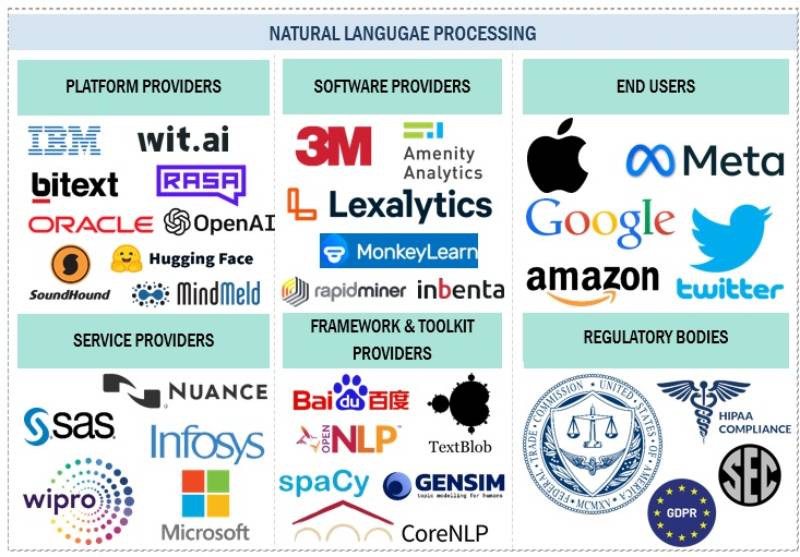
Natural Language Processing (NLP) has revolutionized the way companies interact with and understand human language. From customer service chatbots to sentiment analysis in social media, NLP is being harnessed by businesses across various industries to gain valuable insights, improve efficiency, and enhance customer experience.
One of the key areas where companies are leveraging NLP is in customer service. By implementing chatbots powered by NLP algorithms, businesses can provide instant and personalized responses to customer queries, leading to improved satisfaction and reduced response times. These chatbots can understand natural language inputs, analyze customer sentiment, and provide relevant information or assistance in real-time.
Another common application of NLP in companies is in social media monitoring and analysis. By using NLP techniques to analyze text data from social media platforms, businesses can gain valuable insights into customer opinions, trends, and preferences. This information can help companies make informed decisions regarding product development, marketing strategies, and brand reputation management.
In the healthcare industry, NLP is being utilized to extract valuable information from medical records, research papers, and patient feedback. By analyzing unstructured text data using NLP algorithms, healthcare providers can identify patterns, trends, and correlations that can lead to improved patient care, more accurate diagnoses, and better treatment outcomes.
Financial institutions are also tapping into the power of NLP to analyze market trends, news articles, and financial reports. By using NLP algorithms to extract insights from vast amounts of textual data in real-time, companies can make faster trading decisions, assess risks more effectively, and identify investment opportunities with greater accuracy.
Overall, companies using NLP are reaping the benefits of enhanced efficiency, improved decision-making capabilities, and better customer engagement. As technology continues to advance and NLP algorithms become more sophisticated, we can expect to see even greater adoption of this powerful tool across a wide range of industries in the future.
5 Essential Tips for Companies Implementing NLP Solutions
- Ensure data privacy and security when handling sensitive information.
- Regularly update and maintain NLP models to improve accuracy and performance.
- Provide adequate training to employees on using NLP tools effectively.
- Consider ethical implications of NLP applications to avoid bias or discrimination.
- Engage with customers for feedback on NLP applications to enhance user experience.
Ensure data privacy and security when handling sensitive information.
When it comes to companies using NLP, it is crucial to prioritize data privacy and security, especially when handling sensitive information. Safeguarding customer data, proprietary information, and other confidential data should be a top priority for businesses leveraging NLP technology. Implementing robust encryption protocols, access controls, and data anonymization techniques can help mitigate the risk of unauthorized access or data breaches. By ensuring data privacy and security measures are in place, companies can build trust with their customers and stakeholders while complying with regulatory requirements.
Regularly update and maintain NLP models to improve accuracy and performance.
To ensure optimal performance and accuracy, companies leveraging NLP should prioritize the regular updating and maintenance of their NLP models. By continuously refining and fine-tuning these models, businesses can adapt to evolving language patterns, improve the quality of their analyses, and enhance overall performance. Regular updates also enable companies to stay ahead of the curve in terms of technological advancements, ensuring that their NLP solutions remain effective and reliable in meeting the changing needs of their customers and stakeholders.
Provide adequate training to employees on using NLP tools effectively.
To maximize the benefits of incorporating Natural Language Processing (NLP) tools in business operations, it is essential for companies to provide adequate training to employees on how to effectively utilize these tools. By offering comprehensive training programs, employees can develop the necessary skills and knowledge to leverage NLP technology efficiently, leading to improved productivity, better decision-making, and enhanced customer satisfaction. Investing in employee training ensures that staff members are equipped to make the most of NLP tools, ultimately driving innovation and success within the organization.
Consider ethical implications of NLP applications to avoid bias or discrimination.
It is crucial for companies utilizing NLP applications to carefully consider the ethical implications of their use to prevent bias or discrimination. While NLP technology can offer significant benefits, such as improved efficiency and customer experience, there is a risk of perpetuating biases present in the data used to train these systems. By proactively addressing issues related to fairness, transparency, and accountability in NLP applications, companies can ensure that their technology is used responsibly and ethically, ultimately fostering trust among users and stakeholders.
Engage with customers for feedback on NLP applications to enhance user experience.
To optimize the effectiveness of NLP applications, companies should actively engage with customers to gather feedback and insights. By soliciting feedback on NLP applications from users, businesses can gain valuable information on usability, accuracy, and overall user experience. This feedback loop allows companies to identify areas for improvement, address user concerns, and tailor their NLP solutions to better meet customer needs. Ultimately, engaging with customers for feedback on NLP applications is key to enhancing user experience and ensuring that the technology continues to deliver value and satisfaction to users.