The Power of Natural Language Processing (NLP)
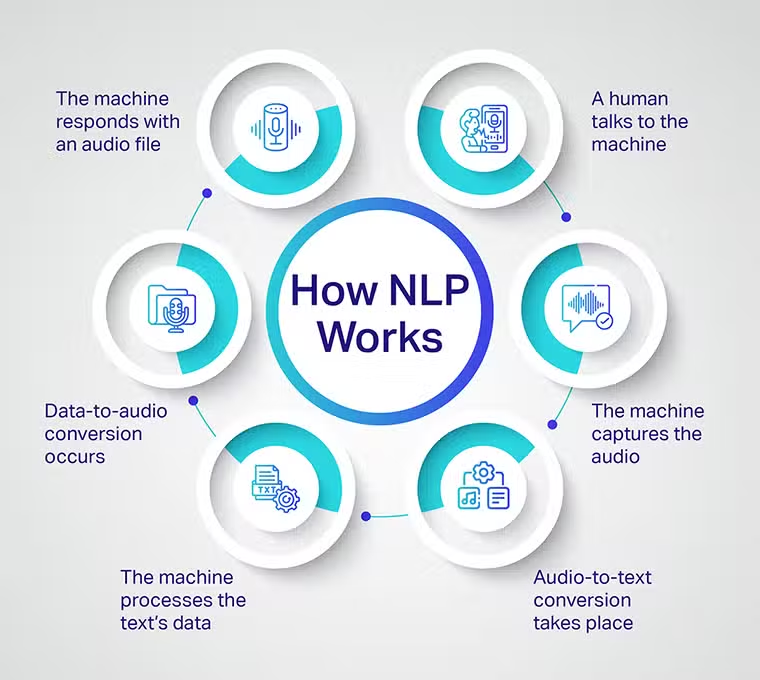
Natural Language Processing (NLP) is a branch of artificial intelligence that focuses on the interaction between computers and humans using natural language. It enables computers to understand, interpret, and generate human language in a way that is both valuable and meaningful.
One of the key applications of NLP is in text analysis. By utilizing NLP techniques, computers can extract insights from large volumes of text data, such as sentiment analysis, entity recognition, and topic modeling. This has revolutionized the way businesses analyze customer feedback, social media posts, and other textual data sources to gain valuable insights.
NLP also plays a crucial role in machine translation. With advancements in neural machine translation models powered by NLP, we have seen significant improvements in the accuracy and fluency of automated translations. This has made cross-lingual communication more accessible and efficient than ever before.
Another important application of NLP is in chatbots and virtual assistants. By leveraging NLP algorithms, these AI-powered systems can understand user queries expressed in natural language and provide relevant responses or actions. This has transformed customer service interactions by enabling businesses to offer personalized and immediate assistance to their customers.
Furthermore, NLP is being used in healthcare for tasks such as clinical documentation, medical transcription, and patient data analysis. By automating these processes with NLP technology, healthcare providers can improve efficiency, accuracy, and patient care outcomes.
In conclusion, the use of Natural Language Processing (NLP) has opened up a world of possibilities across various industries by enabling machines to understand and interact with human language effectively. As NLP continues to advance, we can expect even more innovative applications that will further enhance our daily lives.
8 Benefits of NLP: Transforming Customer Service, Healthcare, and Business Efficiency
- Improves customer service interactions through chatbots and virtual assistants.
- Enhances sentiment analysis capabilities for understanding customer feedback.
- Facilitates automated translation services, making cross-lingual communication more accessible.
- Streamlines text analysis processes for extracting valuable insights from large datasets.
- Increases efficiency in healthcare by automating clinical documentation and data analysis.
- Enables personalized recommendations based on natural language processing of user preferences.
- Optimizes search engines by improving the understanding of user queries and intent.
- Empowers businesses to automate repetitive tasks, saving time and resources.
Challenges of NLP: Addressing Bias, Context, Privacy, Resource Limitations, Language Diversity, and Model Maintenance
- 1. Bias in data and algorithms can lead to inaccurate results and reinforce existing prejudices.
- 2. Lack of contextual understanding may result in misinterpretation of language nuances and sarcasm.
- 3. Privacy concerns arise due to the potential storage and analysis of sensitive personal data during NLP processes.
- 4. Dependency on large datasets for training models can be a barrier for organizations with limited resources.
- 5. NLP systems may struggle with languages or dialects that have limited digital presence or linguistic resources.
- 6. Maintenance and updating of NLP models require continuous effort to ensure accuracy and relevance over time.
Improves customer service interactions through chatbots and virtual assistants.
Natural Language Processing (NLP) significantly enhances customer service interactions through the implementation of chatbots and virtual assistants. By utilizing NLP algorithms, these AI-powered systems can understand and respond to user queries expressed in natural language, providing personalized and immediate assistance to customers. This not only improves the efficiency of customer support but also enhances the overall user experience by offering timely and relevant solutions to inquiries and issues.
Enhances sentiment analysis capabilities for understanding customer feedback.
Natural Language Processing (NLP) enhances sentiment analysis capabilities by enabling businesses to accurately interpret and understand customer feedback. By utilizing NLP techniques, companies can extract valuable insights from large volumes of text data, such as social media posts, reviews, and surveys. This allows organizations to gain a deeper understanding of customer sentiments, preferences, and concerns, ultimately leading to more informed decision-making and improved customer satisfaction.
Facilitates automated translation services, making cross-lingual communication more accessible.
Natural Language Processing (NLP) facilitates automated translation services by leveraging advanced algorithms and neural machine translation models, enabling seamless cross-lingual communication. This pro of NLP has revolutionized the way individuals and businesses interact across language barriers, making it easier than ever to translate text accurately and efficiently in real-time. By enhancing the accessibility of automated translation services, NLP plays a vital role in promoting global communication and understanding among people from diverse linguistic backgrounds.
Streamlines text analysis processes for extracting valuable insights from large datasets.
Natural Language Processing (NLP) streamlines text analysis processes by enabling computers to extract valuable insights from large datasets efficiently and effectively. By utilizing NLP techniques, businesses can automate the extraction of sentiment analysis, entity recognition, and topic modeling from vast amounts of text data. This not only saves time and resources but also allows organizations to uncover meaningful patterns and trends that can inform strategic decision-making and drive business growth.
Increases efficiency in healthcare by automating clinical documentation and data analysis.
Natural Language Processing (NLP) significantly enhances efficiency in healthcare by automating critical tasks such as clinical documentation and data analysis. By leveraging NLP technology, healthcare providers can streamline the process of documenting patient information, analyzing medical records, and extracting valuable insights from vast amounts of data. This automation not only saves time and reduces the risk of human error but also enables healthcare professionals to focus more on patient care and treatment decisions, ultimately leading to improved quality of care and better health outcomes for patients.
Enables personalized recommendations based on natural language processing of user preferences.
Natural Language Processing (NLP) enables personalized recommendations by analyzing and understanding user preferences expressed in natural language. By processing and interpreting the nuances of user input, NLP algorithms can tailor recommendations to individual tastes, interests, and behaviors. This personalized approach not only enhances user experience but also increases engagement and satisfaction by delivering relevant content or suggestions that resonate with each user on a more personal level.
Optimizes search engines by improving the understanding of user queries and intent.
Natural Language Processing (NLP) optimizes search engines by enhancing the comprehension of user queries and intent. By analyzing the natural language used in search queries, NLP algorithms can decipher the context, semantics, and underlying meaning behind user input. This enables search engines to deliver more relevant and accurate results, ultimately improving the overall search experience for users. With NLP, search engines can better understand the nuances of human language, leading to more precise search results that align with users’ intentions and preferences.
Empowers businesses to automate repetitive tasks, saving time and resources.
Natural Language Processing (NLP) empowers businesses to automate repetitive tasks, saving time and resources by streamlining processes that would otherwise require significant human effort. By leveraging NLP technology, organizations can automate tasks such as data entry, customer inquiries handling, and content generation, allowing employees to focus on more strategic and creative aspects of their work. This automation not only increases efficiency but also reduces the likelihood of errors, resulting in cost savings and improved productivity for businesses across various industries.
1. Bias in data and algorithms can lead to inaccurate results and reinforce existing prejudices.
Bias in data and algorithms within Natural Language Processing (NLP) can have detrimental effects, leading to inaccurate results and reinforcing existing prejudices. When NLP systems are trained on biased datasets, they can perpetuate and even amplify societal biases present in the data. This can result in discriminatory outcomes, such as skewed recommendations, unfair decisions, or inaccurate interpretations of text. Addressing bias in NLP is crucial to ensure that the technology serves all individuals fairly and ethically, without perpetuating harmful stereotypes or prejudices.
2. Lack of contextual understanding may result in misinterpretation of language nuances and sarcasm.
One significant drawback of using Natural Language Processing (NLP) technology is the potential for misinterpretation of language nuances and sarcasm due to a lack of contextual understanding. While NLP algorithms excel at processing large volumes of text data, they may struggle to grasp the subtleties and complexities of human language, leading to inaccuracies in interpreting sarcasm, humor, or cultural nuances. This limitation can result in misunderstandings and miscommunications, especially in contexts where context is crucial for accurate comprehension.
3. Privacy concerns arise due to the potential storage and analysis of sensitive personal data during NLP processes.
Privacy concerns arise as a significant con of the use of Natural Language Processing (NLP) due to the potential storage and analysis of sensitive personal data during NLP processes. As NLP systems rely on vast amounts of text data to train and improve their algorithms, there is a risk that personal information shared in conversations, documents, or other text sources could be stored and analyzed without individuals’ consent. This raises questions about data security, confidentiality, and the ethical implications of using NLP technology in ways that may compromise user privacy. Organizations and developers must prioritize implementing robust data protection measures and transparent policies to address these privacy concerns effectively.
4. Dependency on large datasets for training models can be a barrier for organizations with limited resources.
Dependency on large datasets for training models can pose a significant challenge and act as a barrier for organizations with limited resources. Building robust Natural Language Processing (NLP) models requires access to extensive and diverse datasets to ensure accurate performance. However, smaller organizations or those with budget constraints may struggle to acquire or generate the necessary data for effective model training. This dependency on large datasets can hinder their ability to leverage NLP technology effectively, limiting their competitiveness and innovation in the rapidly evolving landscape of AI-driven solutions.
5. NLP systems may struggle with languages or dialects that have limited digital presence or linguistic resources.
One significant drawback of using Natural Language Processing (NLP) systems is their potential struggle with languages or dialects that have limited digital presence or linguistic resources. NLP models rely heavily on vast amounts of data to learn and perform effectively, which can pose challenges when dealing with languages or dialects that lack sufficient online content or linguistic resources for training. As a result, NLP systems may encounter difficulties in accurately interpreting and processing text in these underrepresented languages, leading to decreased performance and reliability in such linguistic contexts.
6. Maintenance and updating of NLP models require continuous effort to ensure accuracy and relevance over time.
One significant drawback of the use of Natural Language Processing (NLP) is the continuous effort required for maintaining and updating NLP models to ensure their accuracy and relevance over time. As language evolves, new words, phrases, and linguistic nuances emerge, making it essential to regularly update NLP models to reflect these changes. This ongoing maintenance process can be resource-intensive and time-consuming, requiring dedicated efforts to keep the models up-to-date and effective in addressing the evolving language patterns and user needs. Failure to invest in timely updates can lead to diminishing accuracy and relevance of NLP applications, ultimately impacting their usability and effectiveness in real-world scenarios.