Understanding Natural Language Processing
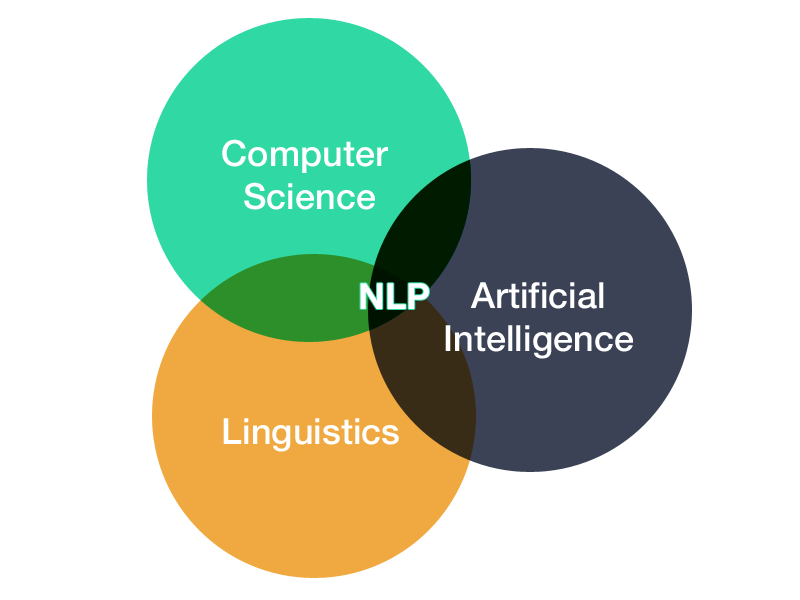
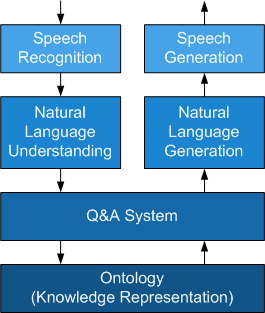
Natural Language Processing (NLP) is a branch of artificial intelligence that focuses on the interaction between computers and human language. It involves the development of algorithms and models that enable computers to understand, interpret, and generate human language in a way that is both meaningful and useful.
At its core, NLP aims to bridge the gap between human communication and computer understanding. By analyzing and processing large amounts of natural language data, NLP systems can extract valuable insights, automate tasks, and facilitate human-computer interactions in a more intuitive manner.
Key components of NLP include:
- Tokenization: Breaking down text into smaller units such as words or sentences.
- Part-of-Speech Tagging: Identifying the grammatical components of each word in a sentence.
- Syntax Analysis: Parsing the structure of sentences to understand their meaning.
- Semantic Analysis: Extracting the meaning of words and phrases within their context.
- Named Entity Recognition: Identifying and categorizing named entities such as names, locations, or organizations.
NLP has numerous applications across various industries, including:
- Chatbots: Providing automated customer support through natural language conversations.
- Machine Translation: Enabling real-time translation between different languages.
- Sentiment Analysis: Analyzing opinions and emotions expressed in text data.
- Information Extraction: Extracting relevant information from unstructured text sources.
The field of NLP continues to evolve rapidly with advancements in deep learning, neural networks, and transformer models. These technologies have significantly improved the accuracy and performance of NLP systems, enabling them to handle more complex language tasks with greater efficiency.
As our reliance on digital communication grows, the role of NLP becomes increasingly crucial in facilitating seamless interactions between humans and machines. By understanding the principles and capabilities of natural language processing, we can harness its power to enhance communication, streamline processes, and unlock new possibilities in the realm of artificial intelligence.
Understanding Natural Language Processing: Key Stages, Learning Tips, and Difficulty Level
- What are the four stages of natural language processing?
- How do I learn natural language processing?
- How hard is it to learn natural language processing?
- What are the 5 steps of natural language processing?
What are the four stages of natural language processing?
In natural language processing, the understanding of text data typically involves four key stages: tokenization, syntactic analysis, semantic analysis, and pragmatic analysis. Tokenization breaks down the text into smaller units such as words or sentences to facilitate further processing. Syntactic analysis focuses on parsing the grammatical structure of sentences to understand their syntax and grammar rules. Semantic analysis delves deeper into extracting the meaning of words and phrases within their context, while pragmatic analysis considers the broader context and implications of language use in real-world situations. These four stages collectively contribute to the comprehensive processing and interpretation of human language by computational systems in NLP applications.
How do I learn natural language processing?
To learn natural language processing, individuals can start by gaining a foundational understanding of key concepts such as tokenization, part-of-speech tagging, syntax analysis, and semantic analysis. Engaging with online courses, tutorials, and textbooks on NLP can provide a structured learning path. Hands-on experience with NLP tools and libraries like NLTK, spaCy, or Transformers can help reinforce theoretical knowledge through practical application. Additionally, participating in NLP projects or competitions can offer valuable real-world experience and opportunities for collaboration with other enthusiasts in the field. Continuous learning, experimentation, and staying updated on the latest trends in NLP are essential to mastering this dynamic and evolving domain.
How hard is it to learn natural language processing?
Understanding natural language processing (NLP) can be a challenging yet rewarding journey for those interested in delving into the complexities of human language and artificial intelligence. The difficulty of learning NLP largely depends on one’s background, experience, and familiarity with concepts such as machine learning, linguistics, and programming. While some may find the technical aspects of NLP daunting, others with a strong foundation in related fields may grasp the fundamentals more easily. With dedication, practice, and access to resources like online courses and tutorials, individuals can gradually build their expertise in NLP and unlock its potential to transform how we interact with technology and communicate in a digital world.
What are the 5 steps of natural language processing?
In the realm of natural language processing, the understanding of the 5 fundamental steps is essential to grasp the intricacies of this field. These steps include tokenization, part-of-speech tagging, syntax analysis, semantic analysis, and named entity recognition. Tokenization involves breaking down text into smaller units like words or sentences, while part-of-speech tagging identifies the grammatical components of each word. Syntax analysis parses sentence structures to comprehend their meaning, and semantic analysis extracts word meanings within context. Lastly, named entity recognition categorizes and identifies named entities such as names, locations, or organizations. Mastering these 5 steps is key to unlocking the potential of natural language processing in various applications and industries.