Speech Processing in Natural Language Processing (NLP)
Natural Language Processing (NLP) is a branch of artificial intelligence that focuses on the interaction between computers and human language. One important aspect of NLP is speech processing, which involves the analysis, understanding, and generation of spoken language by machines.
Speech processing in NLP encompasses a wide range of tasks, including speech recognition, speech synthesis, speaker diarization, and more. These tasks are essential for enabling machines to interact with humans through spoken language, such as in virtual assistants like Siri or Alexa.
One key component of speech processing in NLP is speech recognition, which involves converting spoken words into text. This process typically involves breaking down the audio input into smaller units called phonemes and then matching them to words in a language model. Advanced machine learning algorithms, such as deep neural networks, are often used to improve the accuracy of speech recognition systems.
Another important aspect of speech processing is speech synthesis, which involves generating spoken language from text. Text-to-speech (TTS) systems use natural language processing techniques to convert written text into spoken words with natural-sounding intonation and pronunciation. These systems are widely used in applications like automated customer service lines and audiobooks.
Speaker diarization is another task within speech processing that involves identifying different speakers in a conversation or audio recording. This can be useful for applications like transcribing meetings or interviews where multiple speakers are present. Speaker diarization algorithms use features like voice characteristics and speaking patterns to distinguish between speakers.
Overall, speech processing plays a crucial role in enabling machines to understand and generate spoken language, opening up new possibilities for human-computer interaction. As technology continues to advance, we can expect further innovations in speech processing within the field of NLP.
Understanding Speech Processing and Its Role in NLP: Key FAQs Explained
- What is the difference between speech processing and NLP?
- Is speech processing part of NLP?
- What is the process of speech processing?
- How does NLP work for speech recognition?
What is the difference between speech processing and NLP?
When considering the difference between speech processing and Natural Language Processing (NLP), it is important to understand that speech processing specifically focuses on the analysis and manipulation of spoken language, such as speech recognition and synthesis. On the other hand, NLP encompasses a broader range of tasks related to understanding and generating human language, including written text. While speech processing deals with converting spoken words into text and vice versa, NLP involves a more comprehensive approach to language understanding that includes tasks like sentiment analysis, machine translation, and text summarization. In essence, speech processing is a subset of NLP that specifically deals with spoken language, while NLP addresses language in various forms across different modalities.
Is speech processing part of NLP?
The question of whether speech processing is part of Natural Language Processing (NLP) is a common one in the field of artificial intelligence. Speech processing is indeed a fundamental component of NLP, as it involves the analysis and understanding of spoken language by machines. NLP encompasses a broad range of tasks related to language processing, including speech recognition, synthesis, and speaker diarization. By incorporating speech processing techniques into NLP systems, machines can effectively interact with humans through spoken language, enabling applications such as virtual assistants and voice-controlled devices to understand and respond to verbal commands.
What is the process of speech processing?
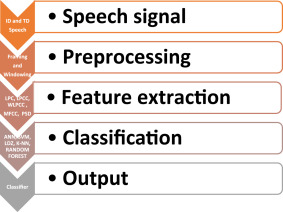
The process of speech processing in natural language processing (NLP) involves several key steps to enable machines to analyze, understand, and generate spoken language. Initially, the audio input is captured and converted into digital signals for processing. Speech recognition algorithms then work to transcribe the spoken words into text by breaking down the audio into phonetic units and matching them to words in a language model. Following this, natural language understanding techniques are applied to interpret the meaning of the transcribed text. Finally, speech synthesis systems can be used to generate spoken responses or convert text back into audible speech. This comprehensive process of speech processing forms the foundation for enabling effective communication between humans and machines through spoken language interactions.
How does NLP work for speech recognition?
Speech recognition in Natural Language Processing (NLP) involves a complex process that utilizes various algorithms and models to convert spoken language into text. NLP works for speech recognition by first capturing the audio input and breaking it down into smaller units called phonemes. These phonemes are then matched to words in a language model using machine learning techniques, such as deep neural networks, to accurately transcribe the spoken words into text. NLP algorithms analyze the context of the speech, including grammar and syntax, to improve the accuracy of the transcription. By combining advanced technologies and linguistic knowledge, NLP enables machines to understand and interpret spoken language with increasing precision and efficiency.