The Power of NLP in Web Development
Natural Language Processing (NLP) is a branch of artificial intelligence that focuses on the interaction between computers and humans using natural language. In recent years, NLP has gained significant attention and has been integrated into various fields, including web development.
One of the key areas where NLP is making a big impact in web development is in improving user experience. By implementing NLP algorithms, websites can better understand user queries, provide relevant search results, and even offer personalized recommendations based on user preferences.
Another area where NLP is revolutionizing web development is in content creation. With the help of NLP tools, developers can automatically generate website content, optimize SEO keywords, and even create engaging chatbots to interact with users in a more human-like manner.
Furthermore, NLP is being used to enhance accessibility on websites by enabling features such as voice commands and text-to-speech capabilities. This helps make websites more inclusive and user-friendly for individuals with disabilities.
In conclusion, the integration of NLP into web development opens up a world of possibilities for creating smarter, more intuitive, and interactive websites. As technology continues to advance, we can expect to see even more innovative applications of NLP that will further enhance the way we interact with the web.
6 Essential Tips for Effective NLP Implementation in Web Projects
- Preprocess text data to clean and normalize it before applying NLP techniques.
- Choose appropriate NLP tools and libraries based on the specific requirements of your web project.
- Consider using pre-trained language models to leverage existing knowledge and improve accuracy.
- Implement proper tokenization to break down text into meaningful units for analysis.
- Regularly update and fine-tune your NLP models to adapt to changing language patterns and user behavior.
- Ensure data privacy and security measures are in place when handling sensitive information in NLP applications.
Preprocess text data to clean and normalize it before applying NLP techniques.
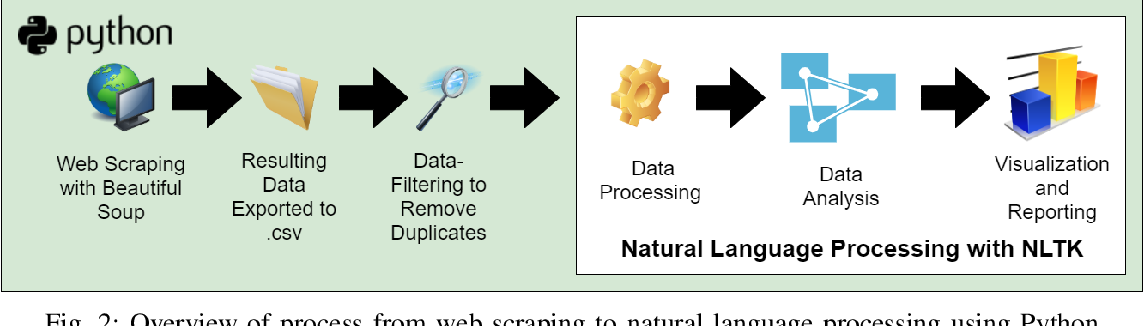
Preprocessing text data is a crucial step in leveraging NLP techniques effectively on the web. By cleaning and normalizing the text data beforehand, we can ensure that the input is consistent, free of noise, and structured in a way that maximizes the accuracy and efficiency of NLP algorithms. Tasks such as removing special characters, stopwords, and punctuation, as well as converting text to lowercase and stemming or lemmatizing words, help create a cleaner and more standardized dataset for NLP analysis. This preprocessing step lays a solid foundation for extracting meaningful insights and patterns from textual data on the web.
Choose appropriate NLP tools and libraries based on the specific requirements of your web project.
When incorporating Natural Language Processing (NLP) into web development, it is crucial to select the most suitable NLP tools and libraries that align with the specific needs of your project. By carefully evaluating the requirements of your web application, such as language support, processing speed, and accuracy, you can choose the right tools that will enhance user experience and optimize functionality. Whether it’s for improving search functionality, generating dynamic content, or enhancing accessibility features, selecting the appropriate NLP tools tailored to your project’s objectives is essential for achieving successful integration and maximizing the benefits of NLP technology on the web.
Consider using pre-trained language models to leverage existing knowledge and improve accuracy.
When developing NLP applications for the web, it is beneficial to consider utilizing pre-trained language models to leverage existing knowledge and enhance accuracy. By tapping into these pre-existing models, developers can take advantage of the vast amount of data and information that has already been processed and learned by the model. This approach not only saves time and resources but also helps improve the overall accuracy and performance of the NLP application, leading to more effective communication and interaction with users on the web.
Implement proper tokenization to break down text into meaningful units for analysis.
Implementing proper tokenization is a crucial step in leveraging NLP for web development. By breaking down text into meaningful units, such as words or phrases, developers can extract valuable insights and patterns from the data. This process not only enhances the accuracy of language processing algorithms but also improves the overall efficiency of analyzing and understanding textual content on websites. Proper tokenization lays the foundation for more advanced NLP techniques, enabling developers to unlock the full potential of natural language processing in creating dynamic and user-friendly web experiences.
Regularly update and fine-tune your NLP models to adapt to changing language patterns and user behavior.
Regularly updating and fine-tuning your NLP models is essential in ensuring that they remain effective in understanding and processing language patterns and user behavior. By staying proactive in monitoring and adjusting your models, you can better adapt to evolving language trends, user preferences, and communication styles. This ongoing refinement process helps optimize the accuracy and performance of your NLP applications, ultimately enhancing the overall user experience and ensuring that your system continues to deliver relevant and meaningful results.
Ensure data privacy and security measures are in place when handling sensitive information in NLP applications.
When incorporating Natural Language Processing (NLP) into web applications, it is crucial to prioritize data privacy and security, especially when dealing with sensitive information. Implementing robust measures to safeguard user data, such as encryption protocols, access controls, and compliance with data protection regulations, is essential to maintain trust and confidentiality. By ensuring that stringent data privacy and security measures are in place, NLP applications can effectively leverage the power of language processing while upholding the integrity and protection of sensitive information.