What Is an NLP Function?
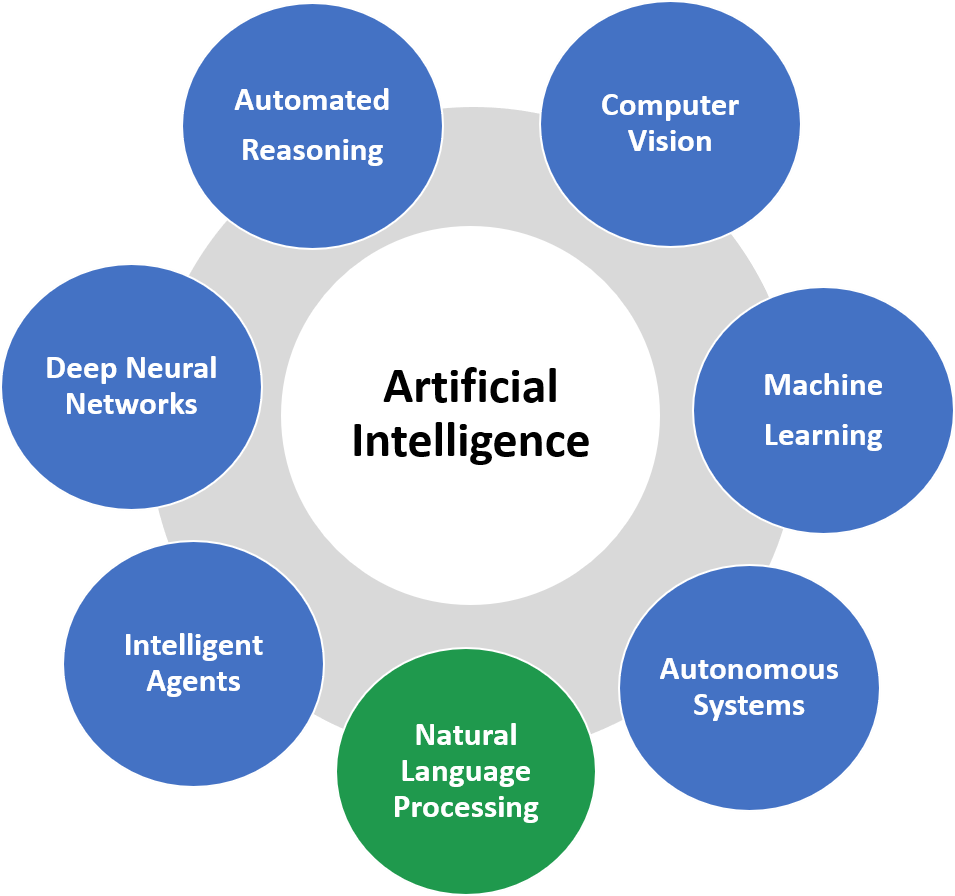
An NLP function is a capability that helps computers work with human language. NLP, or natural language processing, is a field of artificial intelligence that combines language science and computing. It enables software to analyze, understand, and generate text or speech.
NLP functions power many everyday tools, including search engines, translation apps, chatbots, voice assistants, and email filters. They can handle tasks ranging from identifying a language to summarizing a long document.
Common NLP Functions
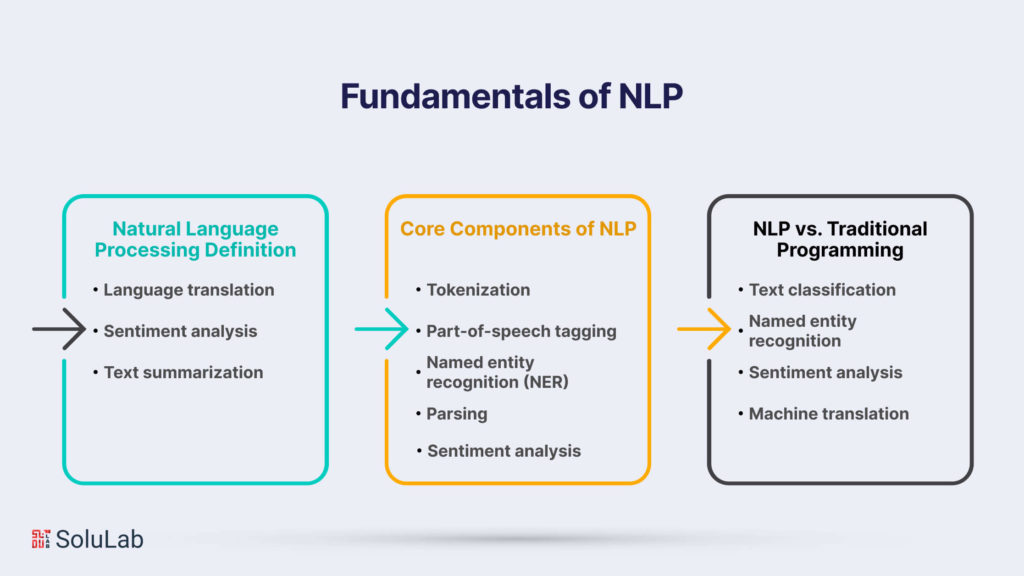
- Tokenization: Breaks text into smaller pieces, such as words, sentences, or punctuation marks.
- Language detection: Estimates which language a text is written in.
- Sentiment analysis: Identifies whether a message expresses a positive, negative, or neutral opinion.
- Named entity recognition: Finds and classifies items such as people, organizations, locations, and dates.
- Text classification: Assigns text to categories, such as support requests, spam, or product feedback.
- Translation: Converts text from one language into another.
- Summarization: Creates a shorter version of a text while preserving its main points.
- Question answering: Finds or generates an answer to a question based on text or other information.
- Text generation: Produces written content, such as a response, draft, or description.
How NLP Functions Work
An NLP function typically receives language as input, processes it, and returns a result. For example, a sentiment analysis function might accept a customer review and label it as positive, negative, or neutral.
- Input: The system receives text or a speech transcript.
- Preparation: It may clean the text, split it into tokens, or standardize spelling and formatting.
- Analysis: A set of rules, a trained machine-learning model, or a combination of methods examines the language.
- Output: The function returns a label, extracted information, translation, summary, or generated text.
For instance, an entity recognition function could process the sentence “Jordan Lee will visit Austin on May 12” and identify “Jordan Lee” as a person, “Austin” as a location, and “May 12” as a date.
Where NLP Functions Are Used
Businesses and individuals use NLP functions to make language-based work faster and easier. Customer service teams may use them to sort incoming requests. Researchers can use them to organize large collections of documents. Online stores may analyze product reviews, while translation services help people communicate across languages.
NLP also supports accessibility features, including speech-to-text tools and systems that read text aloud. In search applications, it can help interpret the meaning behind a query rather than matching only the exact words entered.
Benefits and Limitations
NLP functions can process large amounts of text quickly and consistently. They can reduce repetitive work, make information easier to find, and help users interact with software using everyday language.
However, human language is complex. Words can have multiple meanings, and context, sarcasm, cultural references, spelling errors, or regional expressions can affect results. NLP systems may misunderstand a message or produce inaccurate output. Their performance can also depend on the quality and representativeness of the data used to build or configure them.
For important decisions, NLP results should be reviewed by a person. This is especially relevant when the task involves sensitive information, legal or medical content, or decisions that affect people.
Choosing an NLP Function
The right NLP function depends on the task. A team that wants to organize support messages may need text classification, while a team analyzing customer opinions may need sentiment analysis. For multilingual communication, translation or language detection may be more appropriate.
Before choosing a tool, consider the languages it supports, the accuracy required, how it handles private data, and whether its results can be checked or corrected. A well-chosen NLP function can make language-based tasks more efficient while keeping people involved where judgment and context matter.
9 Key Benefits of Natural Language Processing (NLP)
- Automates language-based tasks
- Processes text quickly
- Supports multiple languages
- Finds key information
- Classifies text efficiently
- Analyzes customer sentiment
- Summarizes long documents
- Improves search relevance
- Enables natural interactions
5 Key Limitations of Natural Language Processing (NLP)
- May misunderstand context or sarcasm.
- Can reflect bias in training data.
- Often struggles with rare languages.
- May produce inaccurate results.
- Can raise privacy concerns.
Automates language-based tasks
One major advantage of NLP functions is that they automate language-based tasks that would otherwise take significant time and effort. They can quickly sort customer messages, extract key details from documents, translate text, or summarize long reports. By handling repetitive work at scale, NLP tools help people focus on tasks that require judgment, creativity, and personal attention.
Processes text quickly
One major advantage of an NLP function is its ability to process text quickly. It can scan and analyze large volumes of messages, documents, or customer feedback in seconds—work that could take people hours or days. This speed helps organizations find useful information sooner, respond to requests faster, and handle repetitive language tasks more efficiently.
Supports multiple languages
One key advantage of an NLP function is its ability to support multiple languages. It can help users translate text, identify languages, and process information across different linguistic groups, making communication easier for people around the world. For businesses, multilingual NLP can also help serve international customers, analyze feedback from diverse markets, and make digital services more accessible—though accuracy may vary by language and context.
Finds key information
One major benefit of an NLP function is its ability to find key information in large amounts of text. It can quickly identify important details—such as names, dates, locations, topics, and action items—so people spend less time searching and more time using the information. This is useful for reviewing documents, organizing customer messages, or summarizing reports, though important results should still be checked for accuracy.
Classifies text efficiently
An NLP function can classify text efficiently by automatically sorting large volumes of written content into relevant categories. For example, it can group customer messages by topic, flag potential spam, or route support requests to the right team. This saves time, reduces repetitive manual work, and helps organizations respond to information more quickly and consistently.
Analyzes customer sentiment
An NLP function that analyzes customer sentiment helps businesses understand how people feel about their products, services, and experiences. By reviewing feedback from surveys, support messages, social media, and product reviews, it can identify positive, negative, or neutral opinions and reveal recurring concerns or areas customers appreciate. These insights help teams respond to problems sooner, prioritize improvements, and make decisions based on customer feedback.
Summarizes long documents
One valuable benefit of an NLP function is its ability to summarize long documents quickly. It can identify the main ideas, key facts, and important conclusions, then present them in a shorter, easier-to-read format. This helps readers get the gist of reports, articles, or meeting notes without having to review every detail, saving time while making large amounts of information more manageable.
Improves search relevance
NLP functions improve search relevance by helping systems understand the intent and meaning behind a query, not just the exact words typed. They can recognize synonyms, related terms, spelling variations, and natural-language questions, making it easier for users to find useful results even when they phrase a search differently from the content they need.
Enables natural interactions
One of the key benefits of NLP functions is that they enable natural interactions between people and technology. Instead of relying on rigid commands or complicated menus, users can ask questions, give instructions, or share feedback in everyday language. Chatbots, voice assistants, and smart search tools use NLP to interpret these messages and respond in a way that feels more intuitive and conversational. This makes digital tools easier to use and more accessible to people with different levels of technical experience.
May misunderstand context or sarcasm.
One limitation of NLP functions is that they may misunderstand context or sarcasm. A phrase that sounds positive on its own could be sarcastic in a particular situation, while the meaning of a word may change depending on the surrounding conversation. Because NLP systems can miss these subtle cues, they may misclassify a message’s tone or intent and produce an inaccurate response.
Can reflect bias in training data.
One limitation of NLP functions is that they can reflect bias in the data used to train them. If that data contains stereotypes, underrepresents certain groups, or favors particular language styles, an NLP system may produce unfair or inaccurate results. For example, it might interpret similar messages differently depending on dialect or make assumptions based on biased patterns. Careful data selection, regular testing across diverse groups, and human review can help reduce these risks, though they may not eliminate bias entirely.
Often struggles with rare languages.
One limitation of NLP functions is that they often struggle with rare or underrepresented languages. Because these languages have less digital text available for training, NLP systems may have trouble recognizing words, understanding grammar, capturing cultural context, or producing accurate translations. As a result, users may receive incomplete or misleading outputs, and the quality of service can vary significantly from one language to another.
May produce inaccurate results.
NLP functions can produce inaccurate results because human language is complex and often depends on context, tone, culture, or specialized terminology. A system may misunderstand sarcasm, ambiguous wording, regional expressions, or misspellings, leading to incorrect translations, classifications, or summaries. For this reason, NLP output should be reviewed when accuracy is important, especially in sensitive or high-stakes situations.
Can raise privacy concerns.
NLP functions can raise privacy concerns because they often process personal or sensitive information found in messages, documents, voice recordings, and customer interactions. If this data is stored, shared, or used without clear safeguards and consent, it may be exposed or used in ways people do not expect. Organizations should be transparent about how information is handled, limit data collection, and use appropriate security measures to protect it.