Understanding Natural Language Processing (NLP) for Beginners
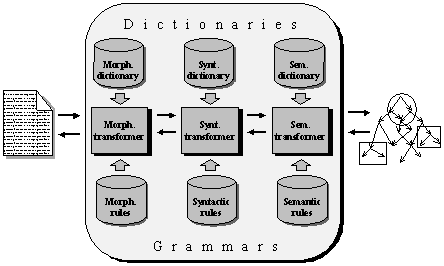
Natural Language Processing (NLP) is a subfield of artificial intelligence that focuses on the interaction between computers and human language. It involves teaching machines to understand, interpret, and generate human language in a way that is valuable.
Key Concepts in NLP
Tokenization: This process involves breaking down text into smaller units such as words or sentences. Tokenization is a fundamental step in NLP as it helps in further analysis of the text.
Part-of-Speech Tagging: This process involves labeling each word in a sentence with its corresponding part of speech, such as noun, verb, adjective, etc. This helps in understanding the grammatical structure of the text.
Named Entity Recognition: This process involves identifying and classifying named entities mentioned in the text, such as names of people, organizations, locations, etc.
Applications of NLP
NLP has a wide range of applications across various industries:
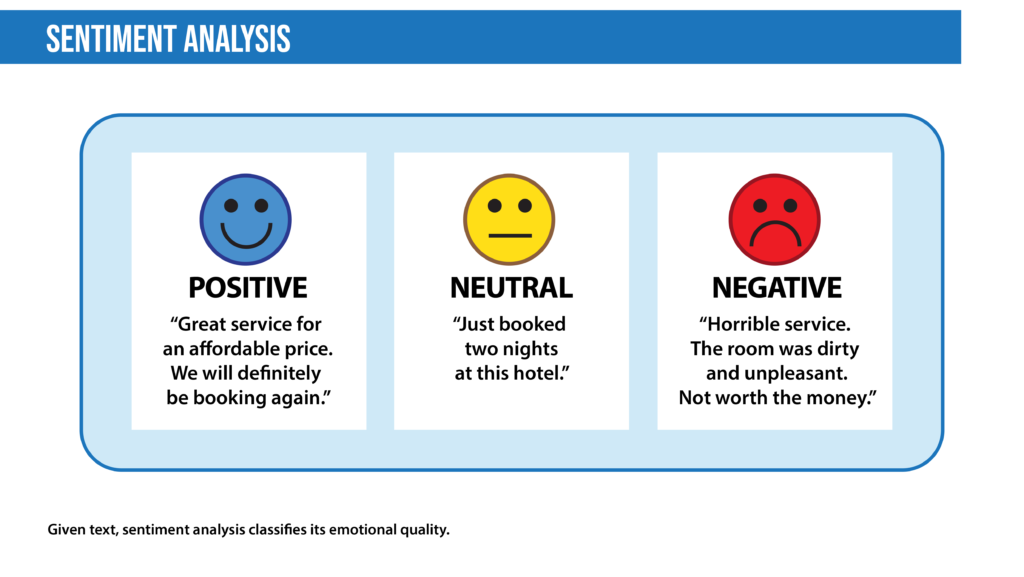
- Sentiment Analysis: Analyzing opinions and emotions expressed in text data.
- Machine Translation: Translating text from one language to another.
- Chatbots: Creating conversational agents that can interact with users using natural language.
- Text Summarization: Generating concise summaries of longer texts.
Getting Started with NLP
If you’re new to NLP and want to learn more, there are several resources available online to help you get started. You can explore introductory courses on platforms like Coursera, Udemy, or edX. Additionally, there are many open-source libraries such as NLTK (Natural Language Toolkit) and spaCy that you can use to practice NLP techniques.
6 Essential Tips for Beginners to Master Natural Language Processing (NLP)
- Start by learning the basics of natural language processing (NLP) and its key concepts.
- Explore various NLP tools and libraries such as NLTK, spaCy, and Gensim.
- Practice with small NLP projects like text classification or sentiment analysis.
- Understand different techniques used in NLP such as tokenization, stemming, and named entity recognition.
- Stay updated with the latest trends and research in the field of NLP.
- Join online communities or forums to engage with other beginners and experts in NLP.
Start by learning the basics of natural language processing (NLP) and its key concepts.
To begin your journey into natural language processing (NLP), it is essential to start by grasping the fundamentals and key concepts of this field. Understanding the basics of NLP, including processes like tokenization, part-of-speech tagging, and named entity recognition, lays a strong foundation for delving deeper into the world of language processing and analysis. By familiarizing yourself with these core concepts, you can build a solid understanding of how machines interpret and generate human language, paving the way for further exploration and learning in NLP.
Explore various NLP tools and libraries such as NLTK, spaCy, and Gensim.
To kickstart your journey in natural language processing (NLP), it is highly recommended for beginners to explore a variety of NLP tools and libraries like NLTK, spaCy, and Gensim. These powerful resources offer a wide range of functionalities and capabilities that can assist you in understanding and implementing NLP techniques effectively. By familiarizing yourself with these tools, you can gain valuable hands-on experience and enhance your skills in text analysis, language processing, and machine learning within the realm of NLP.
Practice with small NLP projects like text classification or sentiment analysis.
To build a solid foundation in Natural Language Processing (NLP), beginners are encouraged to practice with small projects such as text classification or sentiment analysis. These projects provide hands-on experience in working with NLP techniques and tools, allowing learners to understand how to process and analyze text data effectively. By tackling these manageable tasks, beginners can gain valuable insights into the key concepts of NLP and develop their skills progressively.
Understand different techniques used in NLP such as tokenization, stemming, and named entity recognition.
To begin your journey in Natural Language Processing (NLP), it is essential to grasp various techniques employed in the field, including tokenization, stemming, and named entity recognition. Tokenization involves breaking down text into smaller units for analysis, while stemming focuses on reducing words to their root form to improve text processing efficiency. Named entity recognition is crucial for identifying and categorizing specific entities within a text, such as names of people or organizations. Understanding these techniques will lay a strong foundation for delving deeper into the world of NLP and its applications.
Stay updated with the latest trends and research in the field of NLP.
To excel in the field of Natural Language Processing (NLP) as a beginner, it is crucial to stay updated with the latest trends and research. By keeping abreast of advancements in NLP, such as new algorithms, techniques, and applications, you can enhance your knowledge and skills in this rapidly evolving field. Engaging with the latest research papers, attending conferences, and following experts in the NLP community will not only broaden your understanding but also inspire you to explore innovative approaches to language processing. Stay curious and proactive in seeking out new developments to stay ahead in the dynamic world of NLP.
Join online communities or forums to engage with other beginners and experts in NLP.
Joining online communities or forums is a valuable tip for beginners in Natural Language Processing (NLP). Engaging with other enthusiasts and experts in NLP can provide a supportive environment for learning, sharing knowledge, and seeking guidance on various NLP topics. By participating in discussions, asking questions, and exchanging ideas with the community, beginners can gain insights, discover new resources, and stay updated on the latest trends and developments in the field of NLP. This collaborative approach fosters a sense of community and encourages continuous learning and growth in NLP skills.