NLP-Based Algorithms: How Computers Understand Human Language
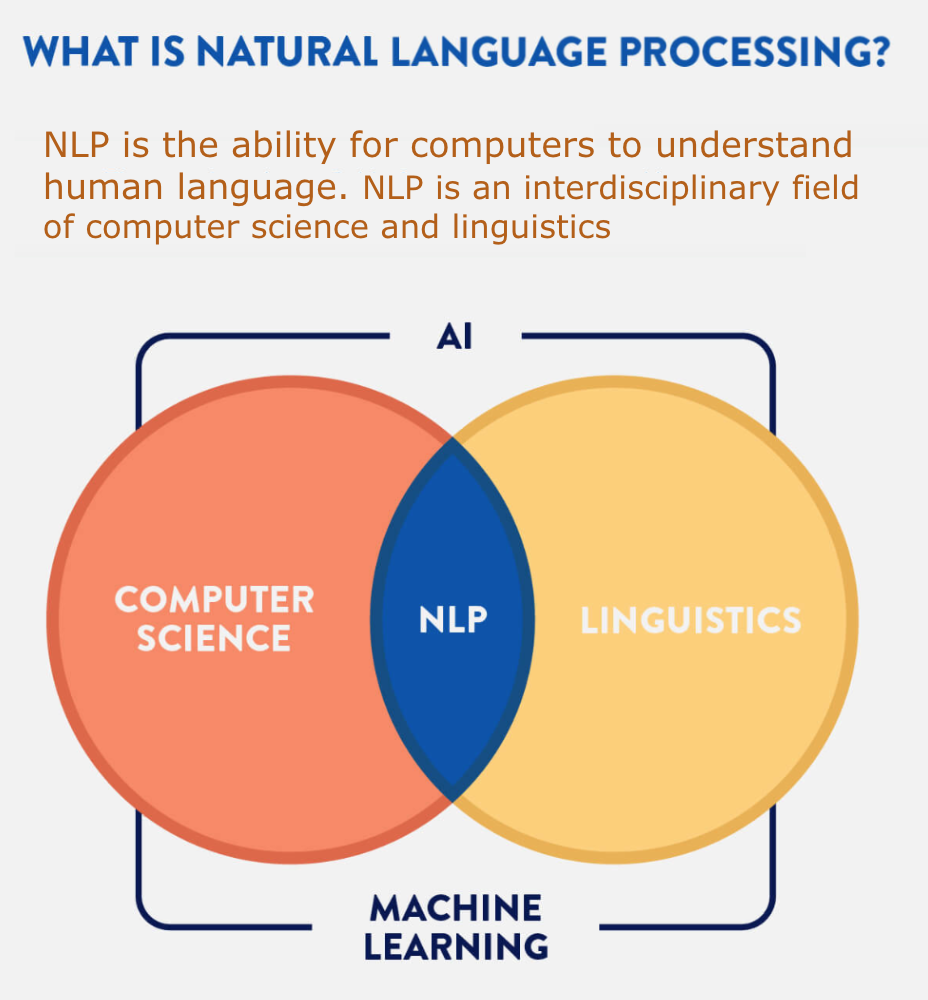
Natural language processing (NLP) is a field of artificial intelligence that helps computers work with human language. NLP-based algorithms can analyze, interpret, and generate text or speech, supporting tools such as search engines, translation apps, chatbots, and voice assistants.
Human language is complex. Words can have multiple meanings, grammar varies, and context often changes what a sentence means. NLP algorithms use rules, statistical methods, and machine learning to handle these challenges. Modern systems often rely on large neural networks trained on extensive language data.
What Are NLP-Based Algorithms?
NLP-based algorithms are computational methods designed to process natural language. Depending on their purpose, they may identify words and sentence structure, classify a document, extract important details, translate between languages, or generate a response.
Some algorithms focus on a specific task, such as detecting spam. Others are built to handle a broad range of language tasks. The appropriate approach depends on the application, the available data, and the level of accuracy required.
How NLP Algorithms Process Language
An NLP system typically transforms language into a format a computer can analyze. A simplified workflow may include these steps:
- Text preparation: The system cleans or standardizes text, for example by handling punctuation, capitalization, or unusual characters.
- Tokenization: Text is divided into smaller units called tokens. A token may be a word, part of a word, or punctuation mark.
- Representation: Tokens are converted into numerical representations that an algorithm can process.
- Analysis: The model looks for patterns, relationships, or structures relevant to the task.
- Output: The system produces a result, such as a category, translation, summary, or generated response.
Not every NLP application follows the same sequence. Some systems use specialized preprocessing, while neural models may learn useful patterns directly from text during training.
Common Types of NLP Algorithms
Rule-Based Algorithms
Rule-based systems use human-written instructions, dictionaries, and grammar rules. They can be useful when a task is narrow and the rules are clear. However, they may struggle with informal language, exceptions, and context that was not anticipated by their designers.
Statistical and Traditional Machine Learning Methods
Statistical NLP methods identify patterns in language data. Traditional machine learning algorithms, such as logistic regression, decision trees, and support vector machines, can classify text when paired with suitable numerical features. These methods are often efficient and interpretable, but they may depend heavily on feature design and may capture less context than newer neural approaches.
Neural Network Algorithms
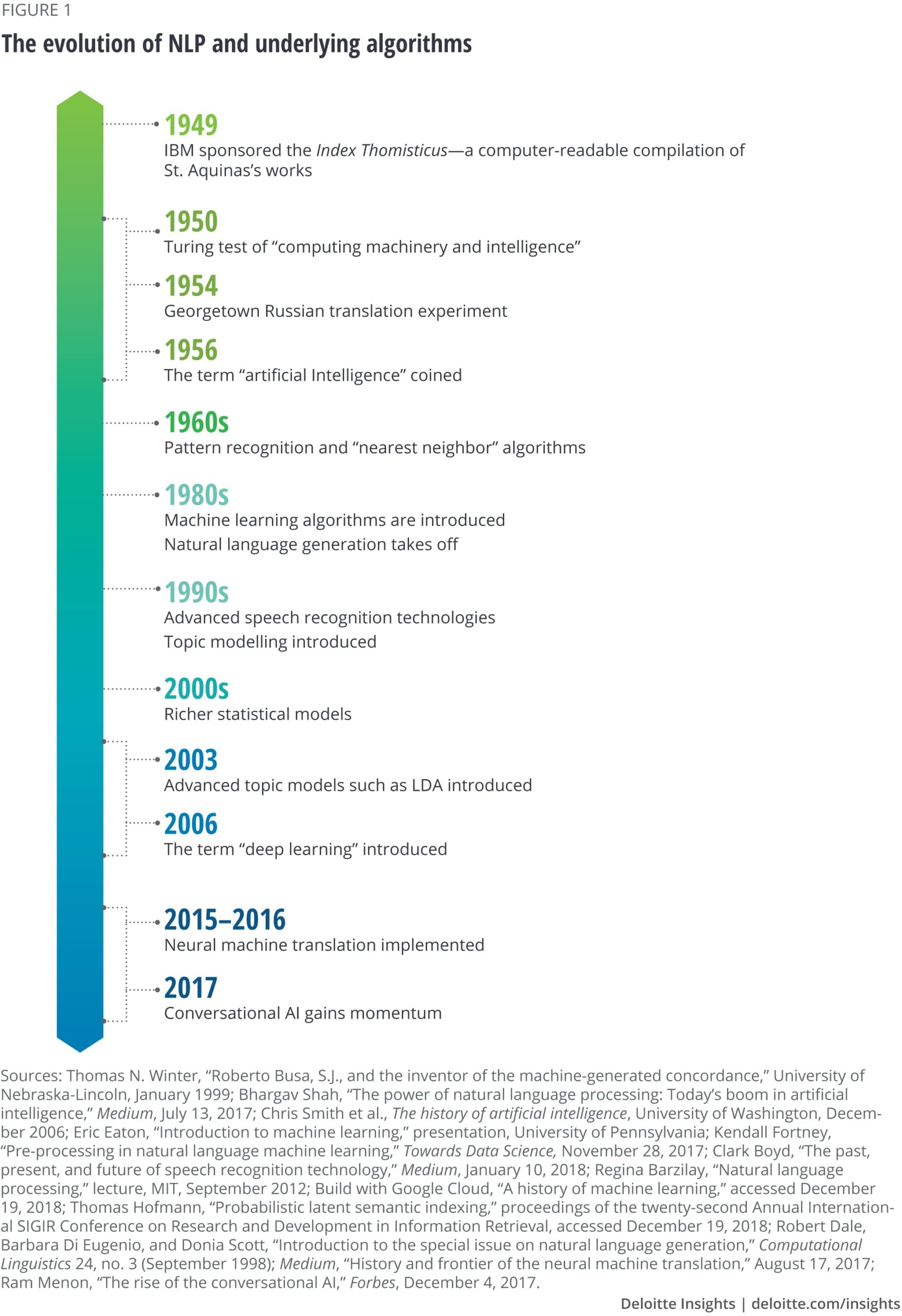
Neural networks learn patterns from examples. Earlier approaches, including recurrent neural networks, were designed to process sequences such as sentences. More recent systems commonly use the transformer architecture, which can model relationships among words across a passage. Transformers power many contemporary language models and are used for tasks such as translation, summarization, and question answering.
Large Language Models
Large language models are neural networks trained on large collections of text. They can generate fluent responses and perform multiple language tasks, sometimes with instructions or examples provided in a prompt. Their outputs can still contain errors, so important information should be checked against reliable sources.
What NLP Algorithms Can Do
- Text classification: Assign text to categories, such as topic, urgency, or spam status.
- Sentiment analysis: Estimate whether a message expresses a positive, negative, or neutral attitude.
- Named entity recognition: Identify names of people, organizations, locations, dates, and other entities.
- Machine translation: Convert text from one language to another.
- Information extraction: Find specific facts, such as product names or contract dates, within documents.
- Summarization: Produce a shorter version of a longer text while retaining its key points.
- Speech and conversational tools: Support speech recognition, voice assistants, and chatbots.
Where NLP Algorithms Are Used
NLP is part of many everyday technologies. Businesses use it to organize customer feedback, route support requests, and search large document collections. Healthcare organizations may use language-processing tools to help structure clinical text, subject to privacy and regulatory requirements. Media and research teams use NLP to analyze publications, while consumers encounter it in translation tools, email filters, and voice interfaces.
Benefits and Limitations
NLP algorithms can process large volumes of text quickly and consistently. They can make information easier to search, automate repetitive language tasks, and help people communicate across languages. These capabilities can save time and make some services more accessible.
However, language models do not understand every message in the same way a person does. They can misread sarcasm, ambiguity, cultural references, or specialized terminology. Their results may also reflect biases in training data. Performance can vary across languages, dialects, and communities, especially when training examples are limited.
Privacy and security also matter. Text may contain sensitive personal or business information, so organizations should understand how data is collected, stored, and used. For high-impact decisions, NLP outputs should be evaluated carefully and, where appropriate, reviewed by a qualified person.
Choosing an NLP Approach
Selecting an algorithm begins with defining the task. A small, rule-based system may be sufficient for a predictable workflow, while a machine learning model may work better when patterns must be learned from examples. A neural model may be appropriate for complex tasks that depend on context, but it can require more computing resources and careful evaluation.
Useful evaluation should reflect real-world use. Teams can test performance on representative data, examine errors across relevant groups and languages, and monitor the system after deployment. Clear limits and human review can help manage risks when mistakes have serious consequences.
The Future of NLP
NLP continues to develop as models improve at handling context, multiple languages, and combinations of text, audio, and images. At the same time, research is focused on making systems more accurate, efficient, transparent, and responsible. The most effective applications will pair algorithmic capabilities with good data practices and thoughtful human oversight.
NLP-based algorithms are transforming how computers work with language. Understanding their methods, strengths, and limitations helps individuals and organizations choose tools that fit their needs and use them responsibly.
NLP-Based Algorithms: 8 Frequently Asked Questions
- What are NLP-based algorithms?
- How do NLP algorithms process and understand human language?
- What are the most common types of NLP algorithms?
- What tasks can NLP-based algorithms perform?
- How are NLP algorithms used in real-world applications?
- What is the difference between traditional NLP algorithms and large language models?
- What are the main limitations and challenges of NLP-based algorithms?
- How can NLP algorithms be evaluated for accuracy and fairness?
What are NLP-based algorithms?
NLP-based algorithms are computer programs that help machines process and work with human language. They use rules, statistical methods, or machine learning to analyze text or speech and perform tasks such as translation, summarization, sentiment analysis, and answering questions. Depending on the application, an algorithm may identify words and patterns, interpret context, or generate a response.
How do NLP algorithms process and understand human language?
NLP algorithms process human language by converting text or speech into data they can analyze. They may break sentences into smaller units, identify word forms and grammatical relationships, and use context to determine meaning or intent. Depending on the task, an algorithm then classifies, translates, summarizes, or generates language based on patterns learned from rules or training data. Although these systems can handle many language tasks, they may misinterpret ambiguity, sarcasm, or context, so their results are not always reliable.
What are the most common types of NLP algorithms?
The most common types of NLP algorithms include rule-based systems, statistical machine learning models, and neural network models. Rule-based algorithms use predefined grammar and language rules, while statistical methods—such as Naive Bayes and support vector machines—learn patterns from labeled text. Neural approaches, including recurrent neural networks and transformers, can capture more complex relationships and context. These algorithms power tasks such as text classification, sentiment analysis, named entity recognition, machine translation, summarization, and text generation.
What tasks can NLP-based algorithms perform?
NLP-based algorithms can perform a wide range of language tasks, including translating text, summarizing documents, classifying messages, analyzing sentiment, identifying names and other key details, answering questions, and powering chatbots and voice assistants. They can also convert speech to text and help organize or search large collections of documents. Their accuracy depends on the task, the data they were trained on, and the language or context involved.
How are NLP algorithms used in real-world applications?
NLP algorithms are used in many everyday applications to help computers work with human language. They power machine translation, voice assistants, chatbots, email spam filters, and search tools. Businesses also use them to sort customer support requests, analyze feedback, summarize documents, and extract useful details from large collections of text. Their effectiveness depends on the task and the quality of the data, and important results may need human review.
What is the difference between traditional NLP algorithms and large language models?
Traditional NLP algorithms are typically designed for specific tasks, such as classifying text, identifying named entities, or detecting sentiment. They often rely on hand-crafted rules or features and need task-specific training data. Large language models (LLMs), by contrast, are neural networks trained on vast amounts of text to recognize broad language patterns. They can handle many tasks—such as summarizing, translating, and answering questions—using instructions or examples, often without task-specific retraining. Traditional methods can be simpler, faster, and easier to interpret for narrow applications, while LLMs are more flexible but may require greater computing resources and can produce inaccurate or biased responses.
What are the main limitations and challenges of NLP-based algorithms?
NLP-based algorithms can struggle with ambiguity, sarcasm, idioms, cultural references, and context, which may lead to incorrect or misleading results. Their performance depends on the quality and diversity of their training data, so they may reflect existing biases or work less effectively for underrepresented languages, dialects, and communities. These systems can also produce inaccurate information, require significant computing resources, and raise privacy concerns when processing sensitive text. For important decisions, their outputs should be evaluated carefully and supported by appropriate human review.
How can NLP algorithms be evaluated for accuracy and fairness?
NLP algorithms can be evaluated by testing them on held-out data that reflects real-world use and measuring task-appropriate performance, such as precision, recall, F1 score, or translation quality. To assess fairness, compare results across relevant groups, languages, and dialects, using metrics such as error rates and false-positive rates, and review examples for biased or harmful outputs. Include human evaluation, especially for nuanced language tasks, and regularly audit performance after deployment because data and usage can change over time.