NLP and Linguistics: How Language Science Shapes AI
Natural language processing (NLP) is the field that develops computer systems capable of working with human language. It powers technologies such as search engines, translation tools, chatbots, voice assistants, and text-analysis software. Linguistics—the scientific study of language—helps explain how language is structured, used, and understood. Together, NLP and linguistics offer complementary ways to build and evaluate systems that interact with words, speech, and meaning.
What Is Natural Language Processing?
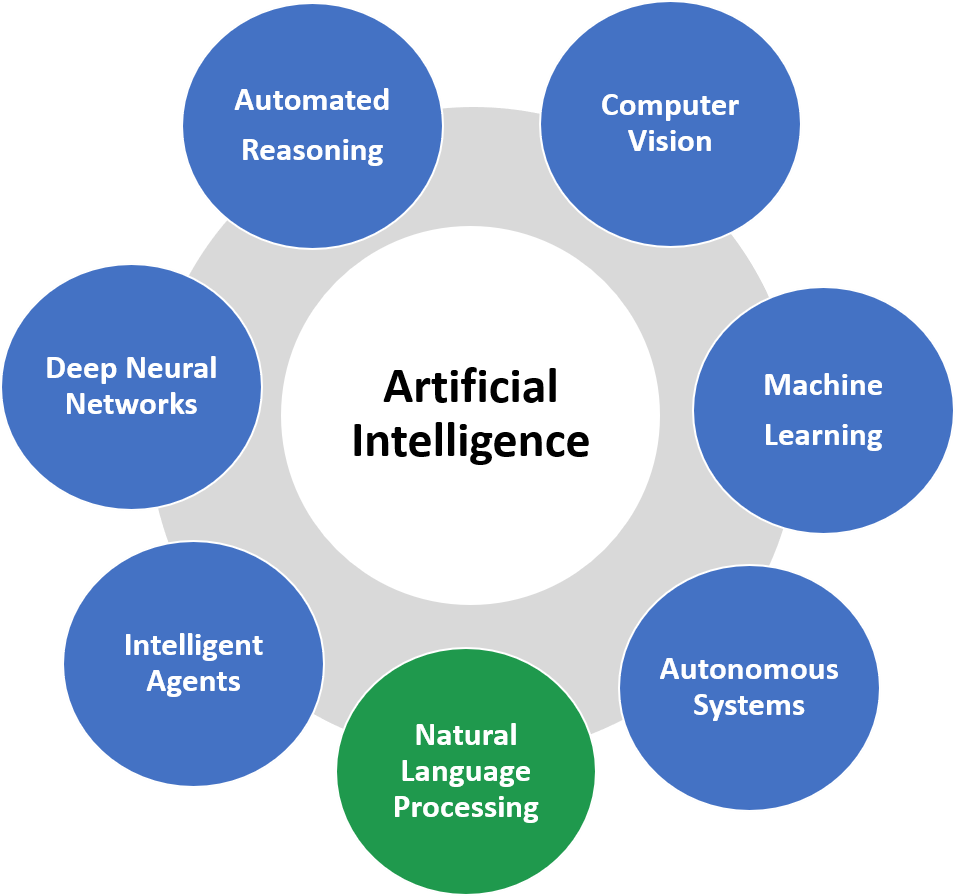
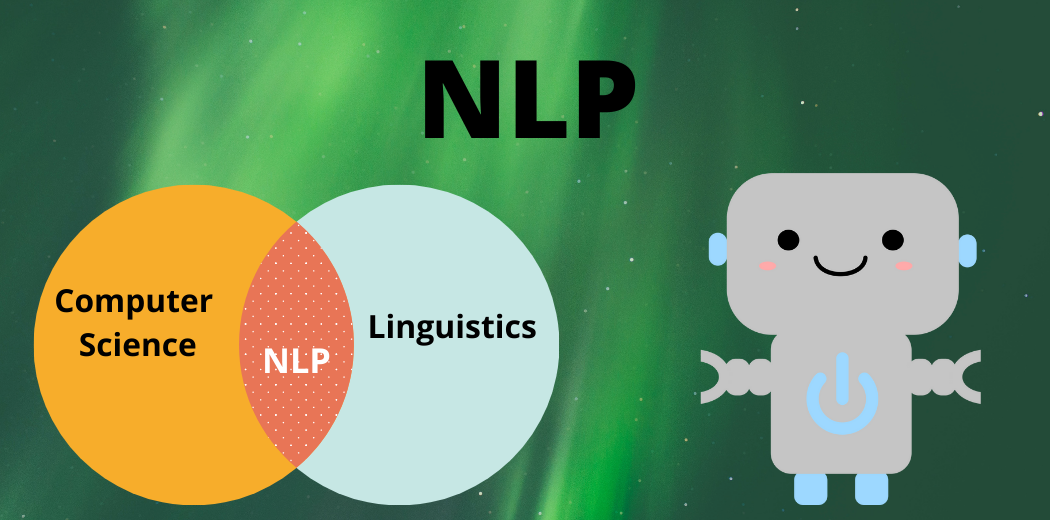
NLP sits at the intersection of computer science, artificial intelligence, and language research. Its goal is to enable computers to process human language, whether written or spoken. Common NLP tasks include:
- Tokenization: Dividing text into units such as words, subwords, or sentences.
- Machine translation: Converting text or speech from one language to another.
- Speech recognition: Turning spoken language into text.
- Sentiment analysis: Estimating the attitudes or emotions expressed in text.
- Information extraction: Identifying details such as names, dates, locations, or relationships.
- Text generation: Producing language in response to a prompt or task.
Modern NLP often relies on machine learning, especially neural networks trained on large collections of text. These models learn statistical patterns in language and use them to make predictions. Their success has made language technology more fluent and flexible, but it has not eliminated the need to understand how language works.
What Does Linguistics Contribute?
Linguistics examines language at several levels. These levels provide useful concepts for describing what NLP systems must handle:
- Phonetics and phonology study speech sounds and the ways languages organize them.
- Morphology examines how words are built from smaller meaningful parts.
- Syntax studies how words combine into phrases and sentences.
- Semantics investigates meaning in words and sentences.
- Pragmatics explores how context, intention, and shared knowledge shape meaning.
- Sociolinguistics studies how language varies across communities and social settings.
These areas help researchers identify the kinds of problems a system may face. For example, a sentence can be grammatically valid but ambiguous. The phrase “I saw the person with binoculars” could mean that the speaker used binoculars or that the person had them. Syntax and context both matter when interpreting it.
How Linguistic Knowledge Can Improve NLP
Linguistic knowledge can guide the design of language systems, help explain errors, and support more meaningful evaluation. A speech-recognition system, for instance, may use information about sound patterns and word structure to distinguish similar-sounding words. A grammar checker can use syntactic patterns to flag a likely agreement error. Translation systems may benefit from understanding how tense, politeness, or word order differs across languages.
Linguistics is also valuable when working with languages that have limited digital resources. Many languages have fewer written materials available for training machine-learning models. Knowledge of their sound systems, grammar, and word formation can help researchers build practical tools with less data. Collaboration with speakers and language communities is essential, particularly when documenting language varieties or developing tools for community use.
Why Data-Driven Models Still Need Linguistic Insight
Many current NLP systems learn from examples rather than following explicit grammar rules. This approach can capture patterns that are difficult to write down by hand, including idioms and informal expressions. However, systems can also reproduce biases found in their training data, struggle with rare constructions, or generate plausible-sounding statements that are inaccurate.
Linguistic analysis helps make these limitations clearer. It can reveal when a system is confusing word meaning with sentence structure, failing to account for conversational context, or treating a particular dialect as incorrect. It also encourages evaluation beyond simple measures such as word overlap, which may not reflect whether a translation or response preserves meaning.
Challenges at the Intersection of NLP and Linguistics
Human language is highly variable. People use slang, abbreviations, humor, metaphor, and incomplete sentences. Meaning also depends on context: the same phrase can communicate different things depending on the speaker, listener, setting, and shared history.
Language varies across regions, generations, professions, and communities. A system trained mainly on formal writing may perform poorly on everyday conversation or underrepresented dialects. Multilingual systems face additional challenges because languages differ in their writing systems, grammar, word boundaries, and available training data. Even closely related languages may express meaning in different ways.
There is also an important distinction between producing language that sounds natural and understanding it as people do. A model may generate a fluent response without having reliable knowledge of the subject or the speaker’s intent. For this reason, language quality, factual accuracy, fairness, privacy, and usefulness all need to be considered when developing NLP applications.
Building Better Language Technologies
Strong language technology benefits from both computational methods and linguistic expertise. NLP provides tools for processing large amounts of language data and building scalable applications. Linguistics provides frameworks for describing language, understanding variation, and asking what a system’s output actually means.
When combined with careful data practices and input from language communities, these fields can support technologies that work for more people and more languages. The result is not simply software that handles text, but language technology designed with a clearer understanding of how people communicate.
Conclusion
NLP and linguistics approach language from different but closely connected perspectives. NLP builds systems that process and generate language; linguistics studies the structures, meanings, and social contexts that make language possible. Their collaboration helps researchers create tools that are more capable, inclusive, and easier to evaluate—and helps clarify both what language technology can do and where its limits remain.
9 Essential Tips for Effective NLP and Linguistics Practices
- Tokenize text consistently.
- Normalize case when appropriate.
- Preserve punctuation for parsing.
- Use context to resolve ambiguity.
- Check linguistic assumptions in your data.
- Balance your training dataset.
- Evaluate on held-out examples.
- Consider dialect and register variation.
- Protect privacy in language data.
Tokenize text consistently.
Tokenize text consistently to help NLP systems recognize and compare language reliably. Use the same rules for splitting text into sentences, words, or subword units across training, testing, and production—for example, decide how to handle punctuation, contractions, hyphens, and special characters, then apply those choices throughout. Inconsistent tokenization can change the input a model sees, leading to mismatched vocabulary, lower-quality analysis, or unexpected errors.
Normalize case when appropriate.
Normalize case when appropriate to help NLP systems treat equivalent words consistently. For example, converting text to lowercase can make “Language” and “language” match during search or text classification, reducing needless variation. However, capitalization can also carry linguistic meaning: “US” differs from “us,” and capital letters identify names and sentence beginnings. Choose a normalization strategy that fits the task, and preserve or use case information when it matters.
Preserve punctuation for parsing.
Preserving punctuation is an important step in preparing text for natural language processing because punctuation helps reveal sentence boundaries, phrase structure, and meaning. Commas, periods, apostrophes, and question marks can affect how a parser interprets relationships between words—for example, distinguishing a direct question from a statement or clarifying which phrase modifies another. Removing punctuation too early may make text harder to analyze and can introduce errors in tasks such as syntactic parsing, named-entity recognition, and machine translation. Keep punctuation intact during preprocessing unless a specific task requires changing it.
Use context to resolve ambiguity.
Context helps NLP systems determine which meaning of an ambiguous word or phrase is intended. For example, “bank” may refer to a financial institution or the side of a river, depending on the surrounding words and situation. By considering nearby text, the speaker’s goal, and relevant background information, a system can interpret language more accurately and produce responses that better match what a person means.
Check linguistic assumptions in your data.
Check the linguistic assumptions built into your data before using it to train or evaluate an NLP system. Labels such as “correct,” “standard,” or “positive” may reflect particular dialects, cultural norms, or annotator expectations rather than universal rules. Review how the data represents language variation, context, and meaning, and involve qualified speakers when possible. This can help uncover hidden bias, improve performance across different language communities, and ensure the system measures what it is intended to measure.
Balance your training dataset.
Balance your training dataset so your NLP system can work reliably across different languages, dialects, writing styles, and demographic groups. If certain voices or topics dominate the data, the model may perform well for some users while misinterpreting or overlooking others. Review your data for representation gaps, use trustworthy sources, and evaluate performance across relevant groups. When perfect balance isn’t possible, document limitations and work with affected communities to improve coverage responsibly.
Evaluate on held-out examples.
Evaluate NLP systems on held-out examples—data kept separate from training and development—to see how well they handle unfamiliar language. This helps reveal whether a model has learned patterns that generalize or merely memorized its examples. Make sure the test set reflects the languages, dialects, writing styles, and real-world tasks the system is intended to support, and review errors for linguistic issues such as ambiguity, context, and variation.
Consider dialect and register variation.
When working with NLP, account for differences in dialect and register—the ways language varies by region, community, audience, and situation. A system trained mostly on formal, standardized writing may misunderstand slang, regional vocabulary, conversational grammar, or professional jargon, and may unfairly treat valid language varieties as errors. Include diverse, representative data, evaluate performance across different speakers and contexts, and involve the communities affected in design decisions. This helps make language technologies more accurate, inclusive, and useful in real-world communication.
Protect privacy in language data.
Protecting privacy in language data is essential when developing NLP tools and conducting linguistic research. Text and speech can contain sensitive details—such as names, locations, health information, or personal experiences—even when those details are shared casually. Collect only the data needed, obtain informed consent, remove or mask identifying information, and store files securely with access limited to authorized people. Because anonymization can be incomplete, review datasets for indirect identifiers and explain clearly how language samples will be used, retained, and shared.