AI Text Processing: Transforming the Way We Interact with Information
In today’s digital age, the volume of text-based data generated every day is staggering. From social media posts and emails to research papers and news articles, the sheer amount of information can be overwhelming. This is where AI text processing comes into play, revolutionizing how we handle and understand textual data.
What is AI Text Processing?
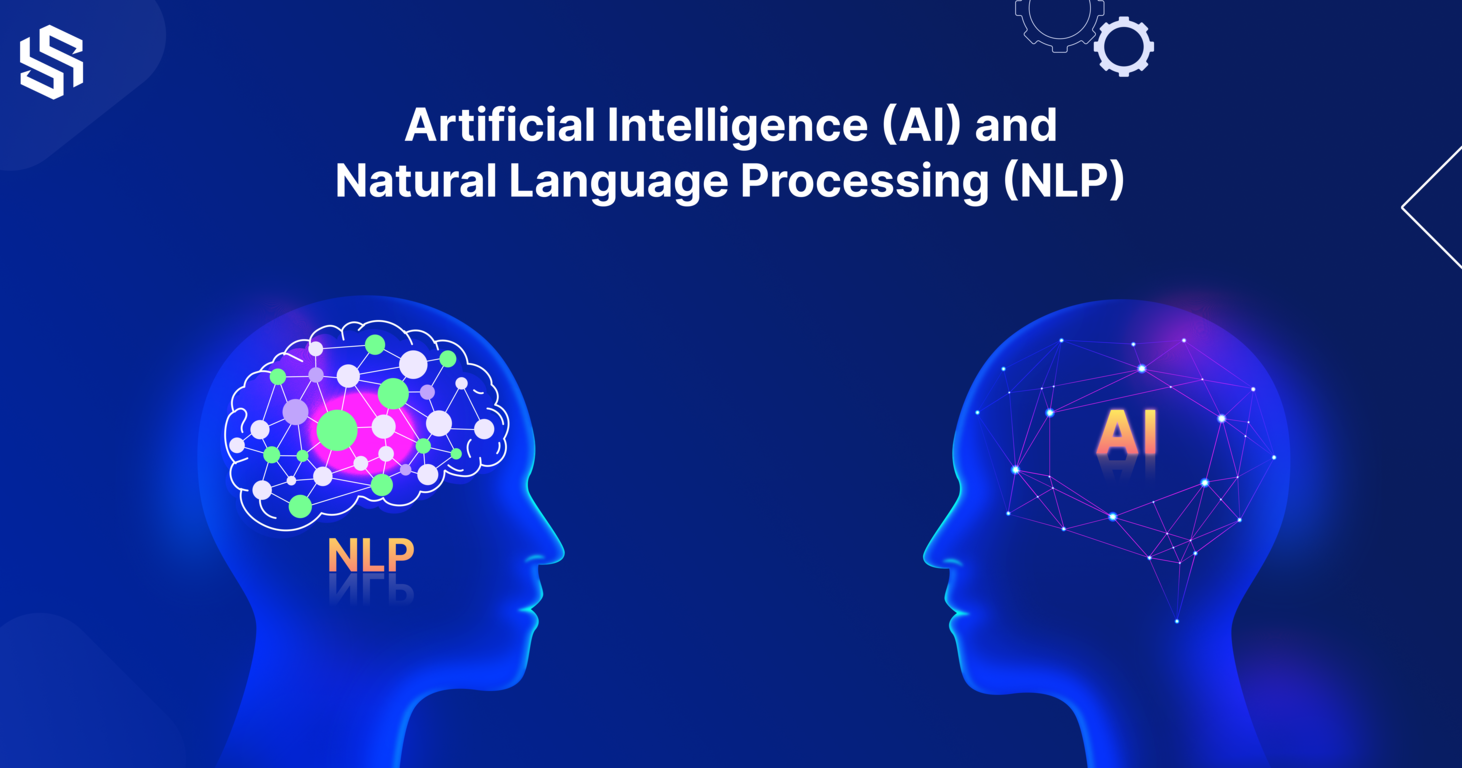
AI text processing refers to the use of artificial intelligence techniques to analyze, interpret, and manipulate human language in a way that computers can understand. It encompasses a range of technologies including natural language processing (NLP), machine learning, and deep learning to process and derive meaningful insights from text data.
Key Applications of AI Text Processing
- Sentiment Analysis: By analyzing text data from sources like customer reviews or social media comments, businesses can gauge public sentiment towards their products or services.
- Text Summarization: AI can automatically generate concise summaries from lengthy documents, saving time for individuals who need quick insights without reading everything in detail.
- Language Translation: Advanced translation tools leverage AI to provide accurate translations across multiple languages, breaking down communication barriers globally.
- Chatbots and Virtual Assistants: These systems use NLP to understand user queries and provide relevant responses, enhancing customer service experiences.
The Technology Behind AI Text Processing
The core technology driving AI text processing is natural language processing (NLP). NLP combines computational linguistics with machine learning models to enable machines to understand context, semantics, and nuances in human language. Deep learning models like transformers have further advanced NLP capabilities by improving accuracy in tasks such as translation and sentiment analysis.
The Role of Machine Learning
Machine learning algorithms are trained on vast datasets containing diverse examples of human language. Through this training process, these algorithms learn patterns and structures within the data that they can apply when processing new text inputs. This allows for continuous improvement as more data becomes available.
The Impact on Businesses and Society
The integration of AI text processing into business operations has led to increased efficiency and better decision-making. By automating routine tasks such as email filtering or document classification, employees can focus on more strategic activities that require human insight.
Moreover, AI-driven insights from textual data help organizations understand market trends better than ever before. This enables them to tailor their products or services according to consumer needs while staying ahead in competitive markets.
The Future of AI Text Processing
The future holds exciting possibilities for AI text processing as technology continues evolving rapidly. With advancements in neural networks like GPT (Generative Pre-trained Transformer), we can expect even more sophisticated applications capable of understanding complex linguistic structures at a deeper level than current models allow.
This progress will continue transforming industries ranging from healthcare—where it aids medical research by analyzing clinical notes—to finance—where it helps detect fraudulent activities through anomaly detection algorithms applied on transaction records.
Conclusion
AI text processing represents a significant leap forward in how we interact with information today—and its potential impact cannot be understated! As these technologies evolve further over time bringing us closer towards truly intelligent systems capable not only understanding but also generating human-like responses seamlessly integrated into our daily lives!
Exploring AI Text Processing: Key Questions and Insights
- What is AI text processing?
- How does AI text processing work?
- What are the key applications of AI text processing?
- What technologies are used in AI text processing?
- How is natural language processing (NLP) related to AI text processing?
- What role does machine learning play in AI text processing?
- How can businesses benefit from AI text processing?
- What impact does AI text processing have on society?
- What advancements can we expect in the future of AI text processing?
What is AI text processing?
AI text processing is a technology that uses artificial intelligence to analyze, interpret, and manipulate human language in a way that computers can understand and respond to. It encompasses various techniques, including natural language processing (NLP), machine learning, and deep learning, to handle and derive insights from textual data. This process enables machines to perform tasks such as sentiment analysis, language translation, text summarization, and more. By understanding the context and semantics of human language, AI text processing facilitates better communication between humans and machines, allowing for more efficient data management and decision-making across different industries.
How does AI text processing work?
AI text processing works by employing a combination of natural language processing (NLP), machine learning, and deep learning techniques to analyze and interpret human language. Initially, the text is broken down into smaller components such as words or phrases. NLP algorithms then assess these components for syntax, semantics, and context. Machine learning models, trained on vast datasets, identify patterns and structures within the text to understand meaning and intent. Advanced models like transformers enhance this process by capturing complex relationships between words in a sentence. The result is a system capable of performing tasks like sentiment analysis, language translation, and information extraction with high accuracy and efficiency.
What are the key applications of AI text processing?
AI text processing has a wide range of key applications that are transforming various industries. One significant application is sentiment analysis, which allows businesses to understand customer opinions and emotions by analyzing text data from reviews, social media, and surveys. Text summarization is another important application, providing concise overviews of lengthy documents or articles, saving time for users who need quick insights. Language translation tools leverage AI to provide accurate and real-time translations across multiple languages, facilitating global communication. Additionally, AI text processing powers chatbots and virtual assistants, enabling them to understand user queries and provide relevant responses efficiently. These applications enhance decision-making processes, improve customer experiences, and streamline operations across different sectors.
What technologies are used in AI text processing?
AI text processing leverages a variety of advanced technologies to analyze and interpret human language. At the core is Natural Language Processing (NLP), which combines computational linguistics with machine learning to enable computers to understand, interpret, and respond to human language in a valuable way. Machine learning algorithms, particularly those involving deep learning and neural networks like transformers, play a crucial role by identifying patterns in large datasets of text. Additionally, techniques such as sentiment analysis, entity recognition, and language modeling are employed to extract insights from textual data. These technologies work together to power applications like chatbots, automated translation services, and sentiment analysis tools, making AI text processing a cornerstone of modern digital communication.
How is natural language processing (NLP) related to AI text processing?
Natural Language Processing (NLP) is a crucial component of AI text processing, serving as the bridge that enables machines to understand, interpret, and generate human language. As a subset of artificial intelligence, NLP focuses on the interaction between computers and humans through natural language. It encompasses various techniques and algorithms to process and analyze large amounts of natural language data. By leveraging machine learning models and linguistic rules, NLP allows AI systems to perform tasks such as sentiment analysis, language translation, text summarization, and more. Essentially, NLP provides the foundational technology that powers AI text processing applications, allowing them to comprehend context, semantics, and nuances in human communication effectively.
What role does machine learning play in AI text processing?
Machine learning plays a crucial role in AI text processing by enabling systems to automatically learn and improve from experience without being explicitly programmed. It involves training algorithms on large datasets containing diverse examples of human language, allowing them to recognize patterns, structures, and nuances within the text. As a result, machine learning models can perform tasks such as sentiment analysis, language translation, and text summarization with increasing accuracy. By continuously updating these models with new data, AI systems become more adept at understanding context and generating human-like responses, making machine learning an essential component in advancing the capabilities of AI text processing.
How can businesses benefit from AI text processing?
Businesses can significantly benefit from AI text processing by streamlining operations and enhancing decision-making. By automating tasks such as data entry, document classification, and email filtering, companies can save time and reduce human error. AI text processing also enables businesses to gain valuable insights from large volumes of unstructured data, such as customer feedback and social media interactions. This allows for more informed strategic decisions and better customer service. Additionally, sentiment analysis tools can help businesses understand consumer perceptions and trends, enabling them to tailor their products or services to meet market demands effectively. Overall, AI text processing enhances efficiency, reduces costs, and provides a competitive edge in today’s data-driven world.
What impact does AI text processing have on society?
AI text processing has a profound impact on society, reshaping how individuals and organizations interact with information. By automating the analysis and interpretation of vast amounts of textual data, it enhances efficiency and decision-making across various sectors. In business, AI-driven insights help companies understand consumer behavior and market trends, leading to more tailored products and services. In healthcare, it aids in analyzing clinical data for better patient outcomes. Moreover, AI text processing facilitates communication by providing real-time translations and improving accessibility for those with disabilities through speech-to-text applications. Overall, it fosters a more connected world by breaking down language barriers and enabling more informed decisions based on comprehensive data analysis.
What advancements can we expect in the future of AI text processing?
In the future of AI text processing, we can anticipate several exciting advancements that will further enhance the way machines understand and generate human language. One key development is the refinement of large language models, which will become even more sophisticated in grasping context, nuances, and cultural subtleties. These models will likely be able to process and generate text that is indistinguishable from that written by humans. Additionally, we can expect improvements in real-time translation technologies, making cross-language communication seamless and instantaneous. Enhanced sentiment analysis tools will provide deeper insights into emotional undertones in text, benefiting sectors like customer service and marketing. Moreover, AI systems will likely become more adept at understanding complex narratives and producing creative content such as stories or articles with minimal human input. Overall, these advancements will significantly broaden the applications of AI text processing across various industries and everyday life.