What NLP Can Be Used to Do
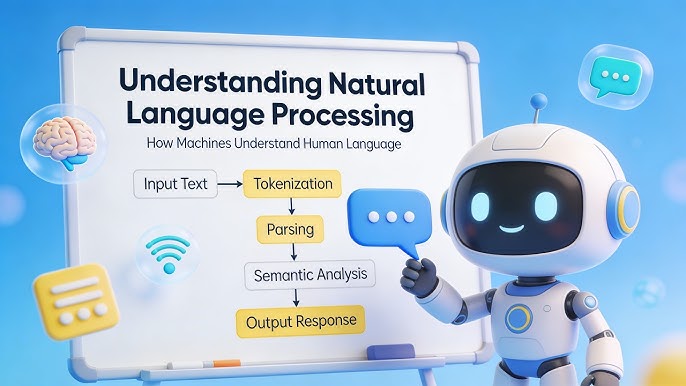
Natural language processing (NLP) is a branch of artificial intelligence that helps computers work with human language. It enables software to analyze, understand, and generate text or speech. NLP powers many everyday tools, from search engines and virtual assistants to translation apps and customer support systems.
Understand and classify text
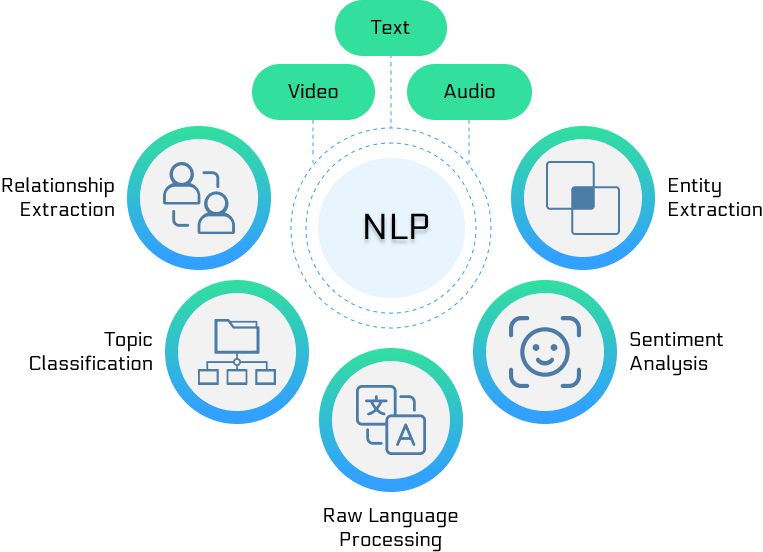
NLP can be used to sort large amounts of text into useful categories. For example, a business might use it to organize customer messages by topic, route support requests to the right team, or identify whether a review is positive, negative, or neutral. This can make it easier to spot common questions and recurring concerns.
Search and find information
Traditional search often depends on matching the exact words in a query. NLP can help search systems interpret meaning, context, and related terms. This makes it possible to find relevant information even when a person uses different wording from the source material.
Translate between languages
Machine translation uses NLP to convert text from one language to another. It can help people understand websites, documents, messages, and other content across language barriers. Translation quality can vary, especially with idioms, specialized terminology, and cultural references, so important material may still need human review.
Recognize speech and create transcripts
NLP often works alongside speech recognition to turn spoken language into text. This is used for meeting transcripts, voice commands, captions, and dictation. Transcription tools can save time, though background noise, accents, and overlapping speakers may affect accuracy.
Generate and summarize text
Some NLP systems can draft responses, suggest edits, produce short summaries, or help create content from instructions. Summarization tools can condense long documents into key points, helping readers review information more quickly. Generated text should be checked for accuracy, clarity, and appropriate tone.
Power chatbots and virtual assistants
Chatbots use NLP to interpret questions and provide responses. They can answer common questions, guide users through simple tasks, and direct more complex requests to a person. Virtual assistants also use language processing to respond to spoken or written commands.
Extract information from documents
NLP can identify specific details in text, such as names, dates, addresses, product codes, or legal terms. Organizations can use this capability to process forms, review documents, and make information easier to search. Human oversight is important when extracted details affect financial, legal, medical, or other high-stakes decisions.
Support accessibility
Language technology can make digital content more accessible. Examples include automatic captions, speech-to-text dictation, text-to-speech features, and tools that simplify complex wording. These features can help people engage with information in ways that better fit their needs.
Analyze feedback and trends
By examining reviews, surveys, social media posts, and support conversations, NLP can help organizations identify frequent topics and changes in public feedback. The results can guide product improvements and customer service. However, automated analysis may miss sarcasm, context, or less common viewpoints.
Use NLP thoughtfully
NLP can make communication and information processing faster, but it is not perfect. Systems may misunderstand ambiguous language, reflect biases in their training data, or produce inaccurate results. Privacy also matters when tools process personal or confidential information. Clear policies, careful evaluation, and human review help ensure NLP is used responsibly.
From translation and transcription to search, summarization, and customer support, NLP has many practical applications. As language technology develops, it will continue to shape how people find information and interact with digital services.
7 Frequently Asked Questions About NLP Uses and Limitations
- What can natural language processing (NLP) be used for?
- How is NLP used in everyday life?
- Can NLP translate languages?
- How does NLP help businesses analyze customer feedback?
- Can NLP summarize long documents?
- How is NLP used in chatbots and virtual assistants?
- What are the limitations of NLP?
What can natural language processing (NLP) be used for?
Natural language processing (NLP) can be used to help computers understand, analyze, and generate human language. Common applications include translating text, powering chatbots and voice assistants, transcribing speech, summarizing documents, sorting messages, analyzing customer feedback, and finding information in large collections of text. These tools can save time and make information easier to access, though their results may need human review for accuracy and context.
How is NLP used in everyday life?
NLP is used in everyday life in tools that help people communicate with technology and process information. It powers voice assistants that respond to spoken commands, predictive text and autocorrect on phones, email spam filters, chatbots, search engines, translation apps, and automatic captions. NLP also helps services sort customer messages, recommend content, and summarize or transcribe text. These tools can save time and make digital services easier to use, though they may sometimes misunderstand context, accents, or unusual wording.
Can NLP translate languages?
Yes, natural language processing (NLP) can be used to translate languages. Machine translation systems analyze text in one language and generate an equivalent version in another, helping people understand websites, documents, and messages across language barriers. Translation quality can vary depending on context, idioms, and specialized terminology, so important or sensitive content may benefit from review by a fluent speaker.
How does NLP help businesses analyze customer feedback?
NLP helps businesses analyze customer feedback by automatically sorting comments, reviews, surveys, and support messages into themes such as product quality, pricing, or service. It can also identify sentiment, highlight recurring problems, and track how opinions change over time. These insights help teams understand customer needs and prioritize improvements more quickly than reviewing every response manually. Because automated tools can miss context, sarcasm, or nuanced meaning, businesses should use human review for important decisions.
Can NLP summarize long documents?
Yes. Natural language processing (NLP) can summarize long documents by identifying key ideas and presenting them in a shorter format. Depending on the tool, a summary may highlight main points, extract important sentences, or create a concise overview in new wording. Summaries can save time when reviewing reports, articles, or meeting notes, but they may leave out context or misinterpret details, so check the original document before relying on the summary for important decisions.
How is NLP used in chatbots and virtual assistants?
NLP helps chatbots and virtual assistants understand what people mean when they type or speak a request. It can identify the user’s intent, recognize important details, and use the conversation’s context to provide a relevant response or take an action, such as answering a question, scheduling an appointment, or finding information. NLP also helps these tools handle different ways of phrasing the same request. While it can make interactions faster and more natural, chatbots may misunderstand unclear or complex questions, so many services offer the option to connect with a human.
What are the limitations of NLP?
NLP can make mistakes because human language is complex, context-dependent, and often ambiguous. It may struggle with sarcasm, idioms, cultural references, rare languages, and specialized terminology, and its outputs can reflect biases or gaps in the data it was trained on. NLP systems may also produce inaccurate or misleading information, so important results should be checked by a person. When these tools handle sensitive text, privacy and data security are additional concerns.