Exploring Google NLP Languages
Google’s Natural Language Processing (NLP) technology has revolutionized the way we interact with language and text. With a wide range of supported languages, Google NLP offers powerful tools for analyzing and understanding human language in various contexts.
Supported Languages
Google NLP supports a diverse set of languages from around the world. From widely spoken languages like English, Spanish, and Chinese to lesser-known languages like Swahili, Icelandic, and Tamil, Google NLP aims to provide comprehensive language support to users globally.
Key Features
Some key features of Google NLP languages include:
- Sentiment Analysis: Understand the sentiment expressed in text, whether it’s positive, negative, or neutral.
- Entity Recognition: Identify entities such as people, organizations, and locations mentioned in text.
- Language Detection: Automatically detect the language of a given piece of text.
- Syntax Analysis: Parse the structure of sentences to understand relationships between words.
Applications
The applications of Google NLP languages are vast and varied. From improving search engine results to enhancing chatbots and virtual assistants’ capabilities, Google NLP is used in a wide range of products and services across different industries.
Future Developments
As technology continues to advance, we can expect Google NLP languages to evolve further. With ongoing research and development efforts, Google is likely to enhance its language processing capabilities and support even more languages in the future.
In conclusion, Google NLP languages play a vital role in making human language more accessible and understandable in the digital age. By leveraging cutting-edge technology and linguistic expertise, Google continues to push the boundaries of what’s possible in natural language processing.
Understanding Google NLP: Key Features, Supported Languages, and Future Advancements
- What is Google NLP?
- How does Google NLP work?
- Which languages are supported by Google NLP?
- What are the key features of Google NLP languages?
- What are the applications of Google NLP in real-world scenarios?
- How accurate is Google NLP in analyzing and understanding human language?
- What advancements can we expect to see in Google NLP languages in the future?
What is Google NLP?
Google NLP, short for Google Natural Language Processing, refers to the advanced technology developed by Google that enables computers to understand, interpret, and generate human language. It encompasses a range of tools and algorithms designed to analyze text and extract meaningful insights from it. Google NLP is widely used in various applications, including sentiment analysis, entity recognition, language detection, and syntax analysis. By leveraging Google NLP, users can gain valuable linguistic insights and enhance their understanding of textual data in a more efficient and accurate manner.
How does Google NLP work?
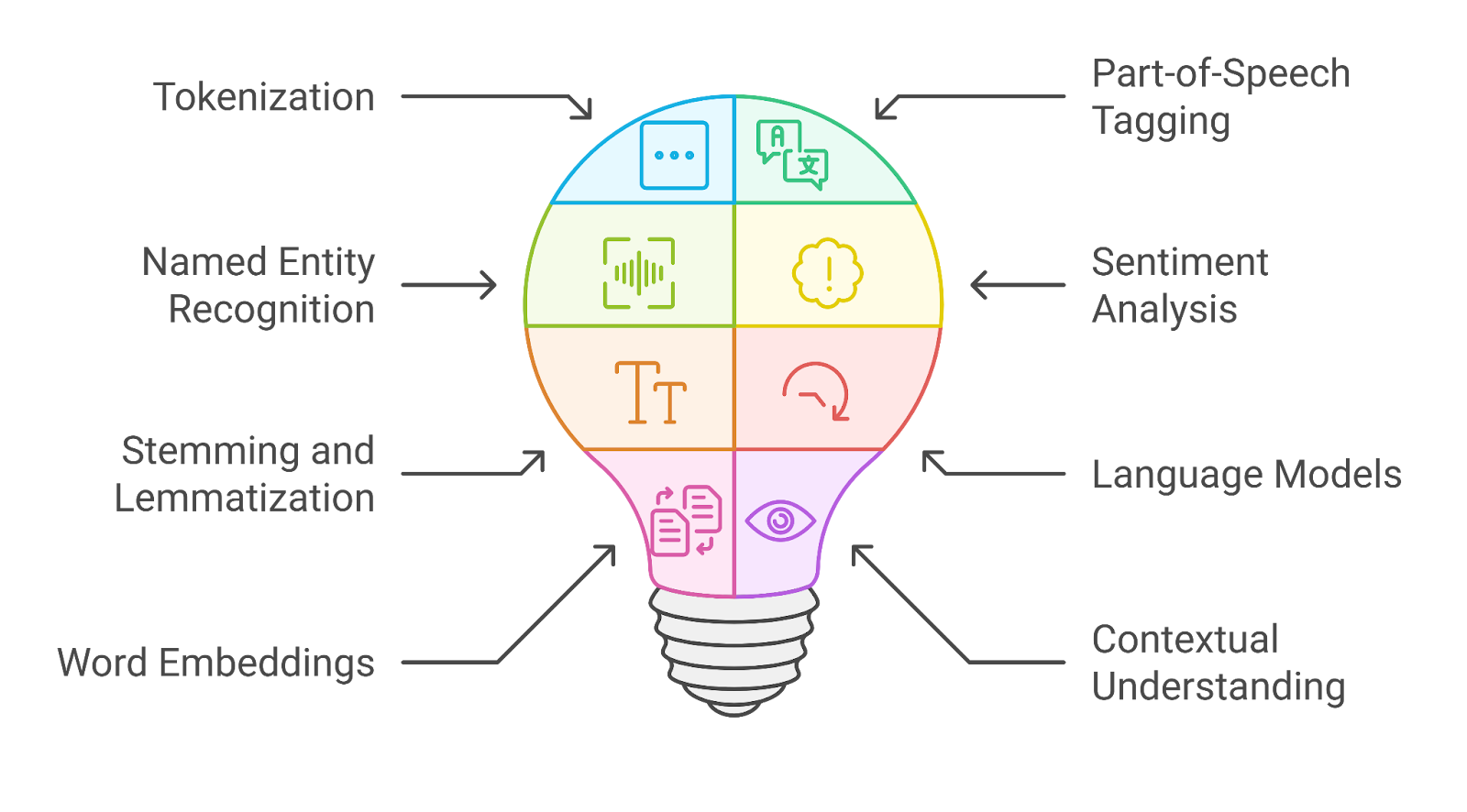
When it comes to understanding how Google NLP works, it’s essential to recognize that Google’s Natural Language Processing technology utilizes various advanced algorithms and machine learning models to analyze and interpret human language. Google NLP works by breaking down text into meaningful components, such as entities, sentiment, syntax, and more, to extract valuable insights and understand the context of the text. Through a combination of language detection, entity recognition, sentiment analysis, and other key features, Google NLP can process and interpret text data with remarkable accuracy and efficiency, enabling a wide range of applications across different industries.
Which languages are supported by Google NLP?
One of the frequently asked questions about Google NLP is regarding the languages supported by the platform. Google NLP offers a wide array of language support, encompassing both widely spoken languages such as English, Spanish, and Chinese, as well as lesser-known languages like Swahili, Icelandic, and Tamil. With its comprehensive language coverage, Google NLP enables users worldwide to analyze and understand text in various languages, facilitating effective communication and information processing across diverse linguistic contexts.
What are the key features of Google NLP languages?
One of the frequently asked questions about Google NLP languages is regarding their key features. Google NLP languages offer a range of powerful tools and capabilities that enable users to analyze and understand human language effectively. Some of the key features include sentiment analysis, entity recognition, language detection, and syntax analysis. These features allow users to delve into the nuances of text, identify important entities, determine sentiment, automatically detect language, and parse sentence structures to extract valuable insights from textual data.
What are the applications of Google NLP in real-world scenarios?
The applications of Google NLP in real-world scenarios are diverse and impactful. From enhancing customer service interactions through sentiment analysis and chatbot responses to improving search engine algorithms for more relevant results, Google NLP plays a crucial role in various industries. In healthcare, NLP technology can help analyze medical records and extract valuable insights for better patient care. In finance, it can assist in fraud detection and risk assessment by analyzing large volumes of text data. Overall, Google NLP empowers businesses and organizations to automate tasks, gain deeper insights from text data, and deliver more personalized experiences to users across different domains.
How accurate is Google NLP in analyzing and understanding human language?
Google’s Natural Language Processing (NLP) technology has garnered attention for its impressive accuracy in analyzing and understanding human language. With advanced algorithms and machine learning capabilities, Google NLP can effectively interpret the nuances of text, including sentiment analysis, entity recognition, language detection, and syntax analysis. While no system is perfect, Google NLP’s high level of accuracy in processing language data has made it a trusted tool for various applications, from improving search results to enhancing user interactions with chatbots and virtual assistants. Users can rely on Google NLP to provide reliable insights into the meaning and context of text, showcasing its effectiveness in handling the complexities of human language.
What advancements can we expect to see in Google NLP languages in the future?
In response to the frequently asked question about the future advancements in Google NLP languages, we can anticipate a continuous evolution and enhancement of Google’s Natural Language Processing technology. Potential advancements may include improved accuracy in sentiment analysis, entity recognition, and syntax analysis, as well as expanded language support to encompass more diverse and less commonly spoken languages. Additionally, we can expect Google to invest in research and development efforts to further refine its language processing capabilities, leading to more sophisticated and nuanced language understanding tools for users worldwide.