The Power of Natural Language Processing and Understanding
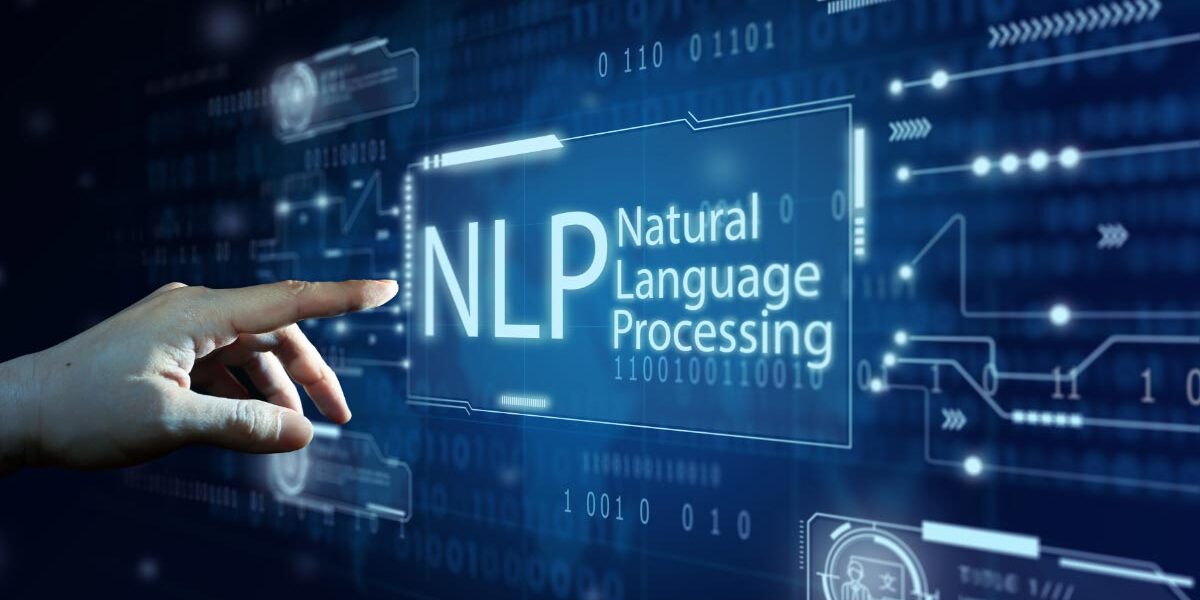
Natural Language Processing (NLP) is a branch of artificial intelligence that focuses on the interaction between computers and human language. It involves the development of algorithms and models that enable computers to understand, interpret, and generate human language in a way that is both meaningful and contextually relevant.
One of the key challenges in NLP is natural language understanding (NLU), which involves teaching computers to comprehend the nuances, subtleties, and complexities of human language. This includes recognizing speech patterns, understanding semantics, discerning context, and even identifying emotions conveyed through text.
NLP and NLU have a wide range of applications across various industries. In customer service, chatbots powered by NLP can interact with customers in a conversational manner, providing instant support and assistance. In healthcare, NLP can analyze medical records and research papers to extract valuable insights for diagnosis and treatment.
With the advancements in machine learning and deep learning techniques, NLP has made significant progress in recent years. Models like BERT (Bidirectional Encoder Representations from Transformers) have revolutionized language understanding by capturing bidirectional context in text data.
As we continue to push the boundaries of NLP and NLU, we are unlocking new possibilities for human-computer interaction, content analysis, sentiment analysis, machine translation, and more. The power of natural language processing lies in its ability to bridge the gap between humans and machines, enabling seamless communication and collaboration in the digital age.
Exploring Natural Language Processing and Understanding: Key Differences, Processes, and Applications
- Is ChatGPT a NLP?
- What is an example of natural language understanding?
- What is the natural language understanding process?
- What is the difference between natural language processing and understanding?
- What are the 4 pillars of natural language processing?
- What is the role of natural language understanding in natural language processing?
Is ChatGPT a NLP?
ChatGPT is indeed a form of Natural Language Processing (NLP) technology. ChatGPT, developed by OpenAI, is a state-of-the-art language model based on the GPT-3 architecture, designed to generate human-like text responses in conversational settings. By leveraging advanced machine learning algorithms, ChatGPT can understand and generate text in a way that simulates natural human conversation, making it a powerful tool for various applications such as chatbots, customer support systems, and content generation.
What is an example of natural language understanding?
An example of natural language understanding is virtual assistants like Amazon’s Alexa, Apple’s Siri, or Google Assistant. These AI-powered systems are designed to interpret and respond to natural language input from users, allowing them to perform tasks such as setting reminders, answering questions, playing music, or controlling smart home devices. Through sophisticated NLU algorithms, these virtual assistants can comprehend the meaning behind spoken or typed queries and provide relevant and accurate responses, showcasing the practical application of natural language understanding in everyday technology.
What is the natural language understanding process?
The natural language understanding process in the context of artificial intelligence involves teaching computers to comprehend and interpret human language in a way that is contextually relevant and meaningful. This process includes analyzing speech patterns, identifying semantics, discerning context, and recognizing emotions conveyed through text. Through advanced algorithms and models, computers can extract key information from text data, enabling them to understand the nuances and complexities of human language for various applications such as chatbots, sentiment analysis, content analysis, and more.
What is the difference between natural language processing and understanding?
Natural language processing (NLP) and natural language understanding (NLU) are closely related fields within the realm of artificial intelligence and language technology. While NLP focuses on the broader task of enabling computers to interact with and process human language, NLU delves deeper into the specific challenge of teaching computers to comprehend and interpret the nuances, context, and meaning inherent in human language. In essence, NLP encompasses a range of tasks such as text generation, speech recognition, and machine translation, while NLU specifically targets the goal of enabling machines to understand human language in a way that mirrors human comprehension. Ultimately, NLP provides the tools and techniques for processing language data, while NLU aims to imbue machines with a deeper level of linguistic understanding for more sophisticated interactions.
What are the 4 pillars of natural language processing?
In the realm of natural language processing, the concept of the “4 pillars” refers to the fundamental components that form the backbone of NLP systems. These pillars typically include syntax, semantics, pragmatics, and discourse. Syntax focuses on the structure and grammar of language, semantics deals with the meaning of words and sentences, pragmatics considers the context and intention behind communication, and discourse examines how language is used in larger chunks of text to convey information. By understanding and integrating these pillars into NLP models, researchers and developers can create more robust systems that effectively process and comprehend human language.
What is the role of natural language understanding in natural language processing?
The role of natural language understanding (NLU) in natural language processing (NLP) is crucial, as it involves the ability of computers to comprehend and interpret human language in a meaningful way. NLU enables machines to not only recognize words and syntax but also understand the context, semantics, and nuances of language. By incorporating NLU into NLP systems, computers can analyze text data, extract relevant information, and generate appropriate responses that reflect a deeper understanding of human communication. In essence, NLU forms the foundation of effective language processing by allowing machines to interpret and respond to human language in a more intelligent and contextually accurate manner.