The Power of NLP Networks in Language Processing
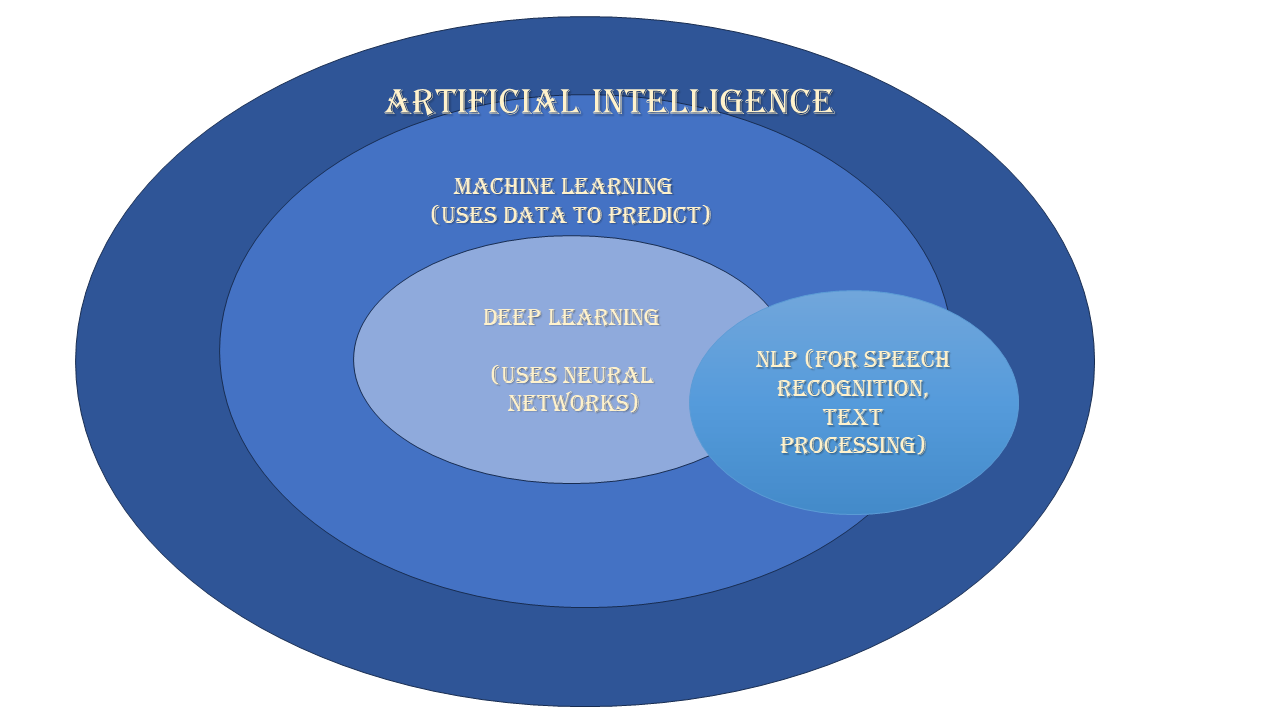
Natural Language Processing (NLP) networks have revolutionized the way we interact with technology and process language. These sophisticated networks are designed to understand, interpret, and generate human language in a way that mimics human communication.
One of the key components of NLP networks is their ability to analyze and extract meaning from vast amounts of text data. By using advanced algorithms and machine learning techniques, these networks can identify patterns, relationships, and sentiments within text, enabling them to perform tasks such as sentiment analysis, language translation, and text summarization.
Moreover, NLP networks have the capability to learn and improve over time. Through a process known as training, these networks can be exposed to large datasets to enhance their understanding of language nuances and context. This continuous learning process allows NLP networks to adapt to new languages, dialects, and writing styles, making them incredibly versatile tools for language processing.
One of the most popular applications of NLP networks is in chatbots and virtual assistants. These intelligent systems use NLP networks to understand user queries, provide relevant information, and engage in natural conversations. By leveraging the power of NLP networks, chatbots can deliver personalized responses and recommendations based on user input.
In addition to chatbots, NLP networks are also used in various industries such as healthcare, finance, marketing, and customer service. These networks help businesses analyze customer feedback, extract insights from social media data, automate document processing tasks, and improve overall communication efficiency.
As technology continues to advance, the capabilities of NLP networks will only grow stronger. With ongoing research and development in the field of artificial intelligence and machine learning, we can expect even more sophisticated applications of NLP networks that will further enhance our ability to process and understand human language.
Top 9 Frequently Asked Questions About NLP Networks and Their Impact on Technology
- What is NLP (Natural Language Processing) and how does it work?
- What are the key components of NLP networks?
- How are NLP networks trained to understand human language?
- What are the common applications of NLP networks in technology?
- How do NLP networks benefit businesses and industries?
- What role do NLP networks play in chatbots and virtual assistants?
- How do NLP networks analyze and extract meaning from text data?
- What advancements are being made in NLP technology?
- Are there any limitations or challenges associated with NLP networks?
What is NLP (Natural Language Processing) and how does it work?
Natural Language Processing (NLP) is a branch of artificial intelligence that focuses on enabling computers to understand, interpret, and generate human language in a way that is both meaningful and contextually relevant. NLP systems utilize a combination of linguistic rules, statistical models, and machine learning algorithms to analyze and process text data. These systems break down language into its fundamental components, such as words, phrases, and syntax, in order to extract meaning and derive insights. By leveraging techniques like sentiment analysis, named entity recognition, and language modeling, NLP systems can perform tasks such as text classification, information extraction, and language translation with remarkable accuracy and efficiency.
What are the key components of NLP networks?
In the realm of Natural Language Processing (NLP) networks, the key components that drive their functionality and effectiveness include advanced algorithms, machine learning models, and linguistic rules. These components work together to enable NLP networks to analyze and interpret human language, extract meaningful insights from text data, identify patterns and relationships within language structures, and generate accurate and contextually relevant responses. By leveraging these key components, NLP networks can perform a wide range of tasks such as sentiment analysis, language translation, text summarization, and speech recognition with remarkable precision and efficiency.
How are NLP networks trained to understand human language?
NLP networks are trained to understand human language through a process known as supervised learning, where they are exposed to large amounts of labeled text data. During training, the networks analyze the input text data and learn to identify patterns, relationships, and structures within the language. By adjusting their internal parameters based on feedback from the training data, NLP networks improve their ability to recognize words, phrases, and context in different linguistic contexts. Through this iterative process, NLP networks gradually develop a deeper understanding of human language and become more proficient at tasks such as sentiment analysis, language translation, and text generation.
What are the common applications of NLP networks in technology?
Natural Language Processing (NLP) networks have a wide range of applications in technology. Some common applications include chatbots and virtual assistants, sentiment analysis for social media monitoring, language translation services, text summarization tools, speech recognition systems, and information extraction from unstructured data sources such as emails and documents. These NLP networks play a crucial role in enhancing user experiences, automating tasks, and improving communication efficiency in various technological domains.
How do NLP networks benefit businesses and industries?
Natural Language Processing (NLP) networks offer a wide range of benefits to businesses and industries. These advanced networks can automate and streamline various tasks related to language processing, such as sentiment analysis, text summarization, and language translation. By leveraging NLP networks, businesses can gain valuable insights from customer feedback, analyze social media data more effectively, automate document processing tasks, and enhance overall communication efficiency. Furthermore, NLP networks enable businesses to develop intelligent chatbots and virtual assistants that can engage with customers in natural language, provide personalized responses, and improve customer service experiences. Overall, the use of NLP networks in businesses and industries leads to increased productivity, better decision-making processes, and enhanced customer satisfaction.
What role do NLP networks play in chatbots and virtual assistants?
NLP networks play a crucial role in chatbots and virtual assistants by enabling these intelligent systems to understand and process human language effectively. These networks are designed to analyze user queries, extract meaning, and generate appropriate responses in a way that simulates natural conversation. By leveraging advanced algorithms and machine learning techniques, NLP networks empower chatbots and virtual assistants to engage with users, provide relevant information, and offer personalized assistance. This capability allows chatbots to deliver seamless interactions, enhance user experience, and streamline communication processes in various industries.
How do NLP networks analyze and extract meaning from text data?
NLP networks analyze and extract meaning from text data through a complex process that involves advanced algorithms and machine learning techniques. These networks are trained on large datasets of text to learn patterns, relationships, and context within the language. By breaking down the text into smaller components, such as words or phrases, NLP networks can identify key features and structures that help them understand the meaning of the text. Through tasks like sentiment analysis, entity recognition, and semantic parsing, NLP networks are able to decipher the nuances of human language and extract valuable insights from text data.
What advancements are being made in NLP technology?
Advancements in NLP technology are rapidly evolving, driven by breakthroughs in machine learning and artificial intelligence. One major development is the rise of transformer-based models, such as BERT and GPT, which have significantly improved the ability of machines to understand context and nuance in language. These models use attention mechanisms to process words in relation to all other words in a sentence, leading to more accurate language understanding. Additionally, there is a growing focus on multilingual models that can process multiple languages simultaneously without needing separate systems for each one. Researchers are also working on improving zero-shot and few-shot learning capabilities, allowing NLP systems to perform tasks with minimal training data. Furthermore, advancements in ethical AI are being made to ensure that NLP technologies are fair and unbiased, addressing concerns about representation and inclusivity in language processing applications.
Are there any limitations or challenges associated with NLP networks?
When exploring the realm of NLP networks, it is important to acknowledge the existence of limitations and challenges that come with their utilization. One common challenge is the issue of bias in language processing, where NLP networks may inadvertently perpetuate stereotypes or prejudices present in the training data. Additionally, NLP networks can struggle with understanding context and nuances in language, leading to inaccuracies or misinterpretations in certain scenarios. Furthermore, handling multiple languages and dialects effectively remains a challenge for NLP networks, as variations in syntax and semantics can complicate the translation and analysis process. Despite these challenges, ongoing research and advancements in NLP technology aim to address these limitations and enhance the capabilities of NLP networks for more accurate and inclusive language processing.