Natural Language Processing and Machine Learning: Transforming Communication
In today’s rapidly evolving digital landscape, the intersection of Natural Language Processing (NLP) and Machine Learning (ML) is reshaping the way we interact with technology. These two fields are at the forefront of creating systems that can understand, interpret, and respond to human language in a meaningful way.
Understanding Natural Language Processing
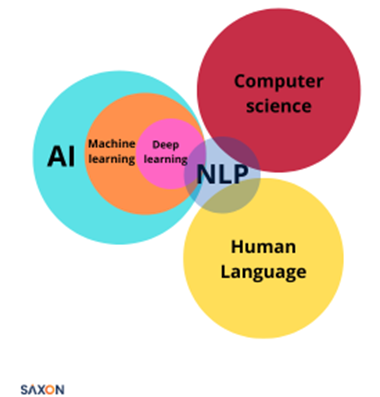
Natural Language Processing is a branch of artificial intelligence that focuses on enabling computers to understand and process human language. It involves several complex tasks such as speech recognition, sentiment analysis, language translation, and text summarization. By leveraging NLP, machines can interpret the nuances of human language, making it possible for them to engage in conversations with users more naturally.
The Role of Machine Learning in NLP
Machine Learning, a subset of AI, plays a crucial role in advancing NLP capabilities. By using algorithms that learn from data, ML models can identify patterns and make predictions based on input text. This process allows for continual improvement without explicit programming for every task.
The integration of ML in NLP has led to remarkable breakthroughs such as:
- Language Translation: Tools like Google Translate use ML models to provide accurate translations by learning from vast amounts of multilingual data.
- Chatbots: Many businesses deploy chatbots powered by NLP and ML to handle customer inquiries efficiently.
- Sentiment Analysis: Companies utilize sentiment analysis tools to gauge public opinion about their products or services by analyzing social media posts.
The Impact on Industries
The combination of NLP and ML is revolutionizing various industries:
- E-commerce: Personalized recommendations and customer service automation are enhancing user experiences.
- Healthcare: NLP helps in processing clinical notes and improving patient care through better data management.
- Finance: Automated report generation and fraud detection systems benefit from advanced language processing techniques.
The Future of NLP and Machine Learning
The future holds immense potential for further advancements in NLP through machine learning innovations. As these technologies continue to evolve, we can expect even more sophisticated applications that will enhance human-computer interaction across various domains.
NLP combined with machine learning is not just transforming technology; it’s transforming how we communicate with each other globally. As these fields advance, they promise a future where language barriers diminish, making information accessible to everyone regardless of linguistic background.
8 Benefits of Natural Language Processing in Machine Learning: Enhancing User Experience, Automating Services, and More
- Enhances user experience by providing personalized recommendations and responses.
- Automates customer service through chatbots that can understand and respond to queries effectively.
- Improves data analysis and decision-making processes by extracting insights from unstructured text data.
- Facilitates multilingual communication with accurate language translation capabilities.
- Enables sentiment analysis to gauge public opinion and feedback on products or services.
- Streamlines content creation and curation tasks by automating text summarization and classification.
- Enhances search engines with better understanding of user queries for more relevant results.
- Supports various industries such as healthcare, finance, e-commerce, and more in optimizing operations and services.
Exploring the Challenges of Natural Language Processing: Key Issues and Limitations
- 1. Data Dependency
- 2. Bias and Fairness Issues
- 3. Interpretability Challenges
- 4. Performance Limitations
- 5. Resource Intensive
- 6. Privacy Concerns
Enhances user experience by providing personalized recommendations and responses.
Natural Language Processing combined with Machine Learning enhances user experience by offering personalized recommendations and responses tailored to individual preferences and needs. By analyzing user data and behavior patterns, these technologies can provide targeted suggestions, anticipate user queries, and deliver more relevant content, ultimately creating a more engaging and customized interaction for each user. This level of personalization not only improves user satisfaction but also fosters increased engagement and loyalty towards the platform or service.
Automates customer service through chatbots that can understand and respond to queries effectively.
Natural Language Processing combined with Machine Learning offers the significant advantage of automating customer service through chatbots that possess the ability to comprehend and address queries efficiently. By leveraging advanced algorithms and language understanding capabilities, these chatbots can interact with customers in a personalized manner, providing quick and accurate responses to their inquiries. This automation not only enhances customer satisfaction by offering round-the-clock support but also streamlines the customer service process for businesses, leading to improved operational efficiency and cost savings.
Improves data analysis and decision-making processes by extracting insights from unstructured text data.
Natural Language Processing combined with Machine Learning offers a significant advantage in enhancing data analysis and decision-making processes by extracting valuable insights from unstructured text data. This capability allows organizations to leverage vast amounts of textual information, such as customer feedback, social media posts, and research documents, to uncover patterns, trends, and sentiments that can inform strategic decisions. By automating the extraction and analysis of unstructured data, NLP and ML empower businesses to make more informed choices based on a deeper understanding of their data landscape.
Facilitates multilingual communication with accurate language translation capabilities.
Natural Language Processing powered by Machine Learning offers a significant advantage by enabling seamless multilingual communication through precise language translation capabilities. This technology allows individuals and businesses to transcend language barriers, fostering global connectivity and understanding. With advanced algorithms learning from vast linguistic datasets, NLP enhances accuracy and fluency in translations, ensuring effective communication across diverse languages and cultures.
Enables sentiment analysis to gauge public opinion and feedback on products or services.
Natural Language Processing combined with Machine Learning enables sentiment analysis, a powerful tool that allows businesses to gauge public opinion and feedback on their products or services. By analyzing text data from sources such as social media, customer reviews, and surveys, companies can gain valuable insights into how their offerings are perceived by consumers. This proactive approach to understanding sentiment not only helps in identifying areas for improvement but also in shaping effective marketing strategies and enhancing overall customer satisfaction.
Streamlines content creation and curation tasks by automating text summarization and classification.
By automating text summarization and classification, the integration of Natural Language Processing and Machine Learning streamlines content creation and curation tasks. This pro enables efficient handling of vast amounts of textual data by extracting key information and organizing it into concise summaries or relevant categories. By automating these processes, businesses and individuals can save time and resources while ensuring that content is effectively curated and presented to meet the needs of their target audience.
Enhances search engines with better understanding of user queries for more relevant results.
Natural Language Processing combined with Machine Learning enhances search engines by providing them with the capability to better understand user queries. By analyzing the context, intent, and nuances of language, these technologies enable search engines to deliver more relevant and accurate results to users. This improved understanding of user queries not only enhances the search experience but also increases the likelihood of users finding the information they are looking for efficiently and effectively.
Supports various industries such as healthcare, finance, e-commerce, and more in optimizing operations and services.
Natural Language Processing (NLP) powered by Machine Learning (ML) offers invaluable support to a wide range of industries, including healthcare, finance, e-commerce, and beyond. By harnessing the capabilities of NLP and ML, organizations in these sectors can optimize their operations and services, leading to enhanced efficiency, improved customer experiences, and streamlined processes. The integration of these technologies enables businesses to automate tasks, extract valuable insights from data, and deliver personalized solutions that cater to the specific needs of their target audience.
1. Data Dependency
One significant drawback of Natural Language Processing (NLP) Machine Learning models is their heavy reliance on data. These models necessitate vast quantities of high-quality data for training purposes, a requirement that can pose a considerable challenge in practice. Acquiring such data can be a complex and resource-intensive task, as it often involves meticulous curation, labeling, and validation processes to ensure the accuracy and relevance of the training dataset. This data dependency aspect of NLP ML models underscores the importance of data quality and availability in achieving optimal performance and highlights a potential barrier to their widespread adoption and implementation.
2. Bias and Fairness Issues
One significant drawback of natural language processing machine learning is the issue of bias and fairness. Machine learning algorithms have the potential to perpetuate biases that exist within the training data, resulting in unfair or discriminatory outcomes. When these biases are not identified and addressed, they can lead to skewed results that favor certain groups or perspectives over others, ultimately undermining the goal of creating equitable and unbiased systems for language processing and decision-making.
3. Interpretability Challenges
One significant drawback of natural language processing machine learning is the challenge of interpretability. Complex NLP ML models often operate as black boxes, making it challenging for users to decipher the inner workings and understand the rationale behind decision-making processes. This lack of transparency can lead to mistrust and skepticism, especially in critical applications where clear explanations are essential. The opacity of these models poses a barrier to their widespread adoption and raises concerns about accountability and bias in automated decision-making systems.
4. Performance Limitations
One significant drawback of natural language processing machine learning is the presence of performance limitations. Certain NLP ML models may face challenges in accurately capturing the context or nuances present in language, which can ultimately impact their overall performance. Inaccurate interpretation of subtle linguistic cues or complex contexts can lead to errors in understanding and responding to human language, potentially hindering the effectiveness and reliability of these systems in real-world applications.
5. Resource Intensive
One significant drawback of natural language processing machine learning is its resource-intensive nature. Training and deploying advanced NLP ML models often demand substantial computational resources and time investment. The complex algorithms and large datasets used in these models can strain hardware capabilities, leading to longer processing times and higher costs. This resource burden can pose challenges for organizations with limited computing resources or tight project deadlines, potentially hindering the widespread adoption of sophisticated NLP ML solutions.
6. Privacy Concerns
Privacy concerns arise as a significant con of utilizing natural language processing machine learning, specifically when processing sensitive textual data. The extraction and analysis of personal or confidential information for NLP tasks can pose risks to individual privacy, leading to potential breaches in security and confidentiality. Organizations must address these concerns by implementing robust data protection measures and ensuring compliance with privacy regulations to safeguard sensitive data from unauthorized access or misuse.