The Power of Natural Language Processing (NLP) Technology
Natural Language Processing (NLP) is a branch of artificial intelligence that focuses on the interaction between computers and humans using natural language. This cutting-edge technology enables computers to understand, interpret, and generate human language in a way that is both meaningful and valuable.
One of the key applications of NLP technology is in language translation. By utilizing sophisticated algorithms and machine learning techniques, NLP systems can translate text from one language to another with impressive accuracy and fluency. This has revolutionized the way people communicate across different languages and cultures.
Another important use of NLP technology is in sentiment analysis. By analyzing text data from social media, customer reviews, and other sources, NLP systems can determine the sentiment or emotion behind the words. This capability is invaluable for businesses looking to understand customer feedback and improve their products or services.
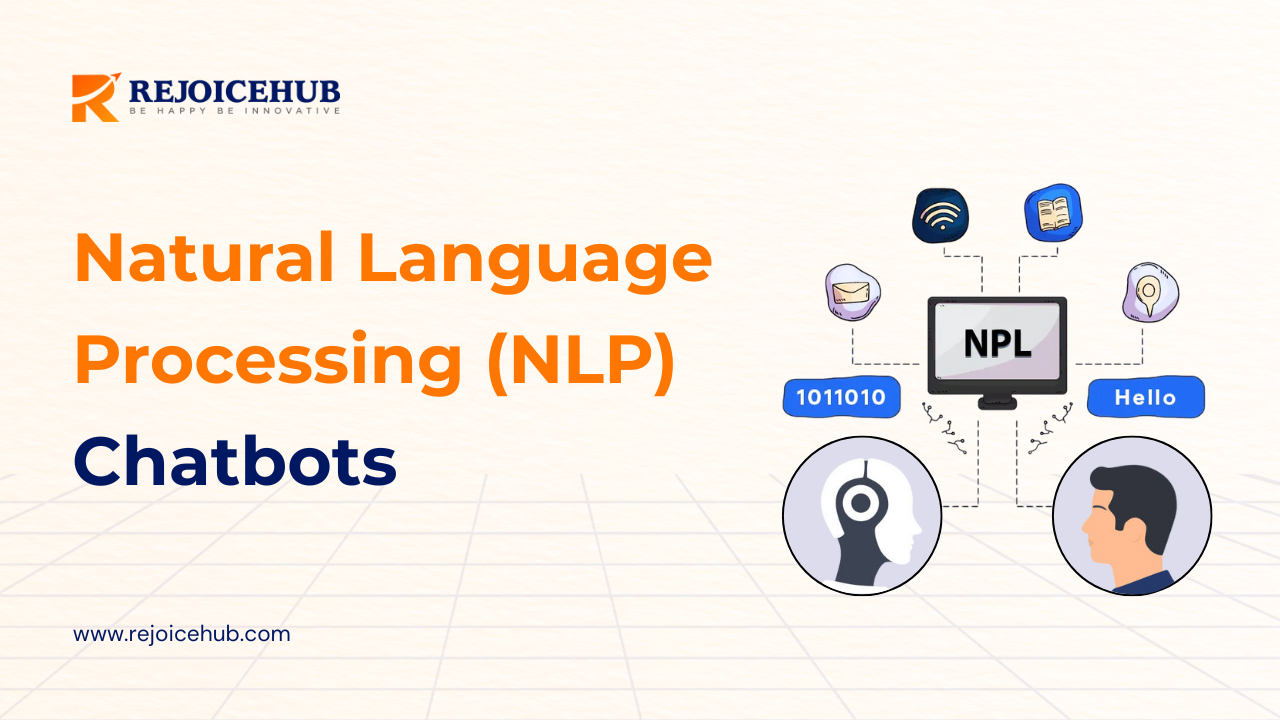
NLP technology also plays a crucial role in chatbots and virtual assistants. These intelligent systems rely on NLP algorithms to understand user queries, provide relevant information, and engage in natural conversations. As a result, they have become indispensable tools for customer service, information retrieval, and task automation.
As NLP technology continues to advance, its potential applications are virtually limitless. From healthcare to finance to education, NLP is transforming industries and empowering organizations to extract valuable insights from vast amounts of unstructured data.
In conclusion, Natural Language Processing technology has opened up new possibilities for human-computer interaction and communication. Its ability to analyze, understand, and generate human language is reshaping the way we live, work, and connect with each other. As we look to the future, the impact of NLP technology will only continue to grow as it unlocks new opportunities for innovation and discovery.
Mastering NLP: 7 Essential Tips for Success in Natural Language Processing
- Understand the basics of natural language processing (NLP) and its applications.
- Stay updated with the latest NLP research and advancements.
- Preprocess text data effectively by removing noise and irrelevant information.
- Choose appropriate NLP tools and libraries based on your project requirements.
- Experiment with different NLP techniques such as tokenization, stemming, and lemmatization.
- Consider ethical implications when working with sensitive or personal data in NLP projects.
- Evaluate the performance of your NLP models using metrics like accuracy, precision, recall, and F1 score.
Understand the basics of natural language processing (NLP) and its applications.
To leverage the full potential of natural language processing (NLP) technology, it is essential to grasp the fundamentals of how it works and its diverse applications. By understanding the basics of NLP, including its underlying algorithms and techniques, individuals and businesses can harness its capabilities to enhance language translation, sentiment analysis, chatbot development, and more. This foundational knowledge serves as a solid starting point for exploring the vast possibilities that NLP offers in transforming communication and data analysis across various industries.
Stay updated with the latest NLP research and advancements.
To stay ahead in the dynamic field of Natural Language Processing (NLP) technology, it is crucial to stay updated with the latest research and advancements. By keeping abreast of new developments in NLP, professionals can leverage cutting-edge techniques and tools to enhance their projects and stay competitive in the rapidly evolving landscape of language technology. Continuous learning and exploration of emerging trends in NLP ensure that individuals are well-equipped to harness the full potential of this transformative technology for innovative solutions and impactful outcomes.
Preprocess text data effectively by removing noise and irrelevant information.
To maximize the effectiveness of Natural Language Processing (NLP) technology, it is crucial to preprocess text data by eliminating noise and irrelevant information. By cleaning the data and focusing on the most relevant content, NLP algorithms can achieve higher accuracy and efficiency in tasks such as language translation, sentiment analysis, and text classification. Removing noise ensures that the input data is clear and concise, allowing NLP systems to extract meaningful insights and deliver more precise results. This preprocessing step plays a vital role in enhancing the performance of NLP applications and improving overall user experience.
Choose appropriate NLP tools and libraries based on your project requirements.
When working with Natural Language Processing (NLP) technology, it is essential to choose the appropriate tools and libraries based on the specific requirements of your project. Selecting the right NLP tools can significantly impact the accuracy, efficiency, and overall success of your project. By carefully evaluating your project goals and needs, you can ensure that you leverage the most suitable NLP resources to achieve optimal results. Whether it’s for language translation, sentiment analysis, chatbot development, or any other NLP application, selecting the right tools tailored to your project requirements is key to unlocking the full potential of NLP technology.
Experiment with different NLP techniques such as tokenization, stemming, and lemmatization.
To enhance your understanding and proficiency in Natural Language Processing (NLP) technology, it is beneficial to experiment with various techniques such as tokenization, stemming, and lemmatization. Tokenization involves breaking down text into smaller units like words or phrases, which is essential for many NLP tasks. Stemming focuses on reducing words to their root form to improve text analysis and information retrieval. Lemmatization, on the other hand, aims to normalize words by converting them to their base or dictionary form for more accurate language processing. By exploring and applying these NLP techniques in your projects, you can gain valuable insights into how language processing works and optimize the performance of your NLP applications.
Consider ethical implications when working with sensitive or personal data in NLP projects.
When working on Natural Language Processing (NLP) projects, it is crucial to consider the ethical implications, especially when dealing with sensitive or personal data. Handling such information requires a high level of responsibility and respect for privacy. It is essential to prioritize data security, confidentiality, and compliance with relevant regulations to ensure that individuals’ rights and confidentiality are protected throughout the project lifecycle. By being mindful of these ethical considerations, NLP practitioners can build trust with users and stakeholders while upholding ethical standards in their work.
Evaluate the performance of your NLP models using metrics like accuracy, precision, recall, and F1 score.
When working with Natural Language Processing (NLP) technology, it is essential to evaluate the performance of your NLP models using key metrics such as accuracy, precision, recall, and F1 score. These metrics provide valuable insights into the effectiveness and reliability of your models in processing and analyzing natural language data. Accuracy measures the overall correctness of predictions, while precision focuses on the proportion of correctly predicted positive instances. Recall, on the other hand, assesses the ability of the model to identify all relevant instances. The F1 score combines precision and recall into a single metric, offering a balanced evaluation of model performance. By carefully analyzing these metrics, you can fine-tune your NLP models for optimal results and enhance their capabilities in various applications.