Understanding NLP: The Role of Natural Language Processing in AI
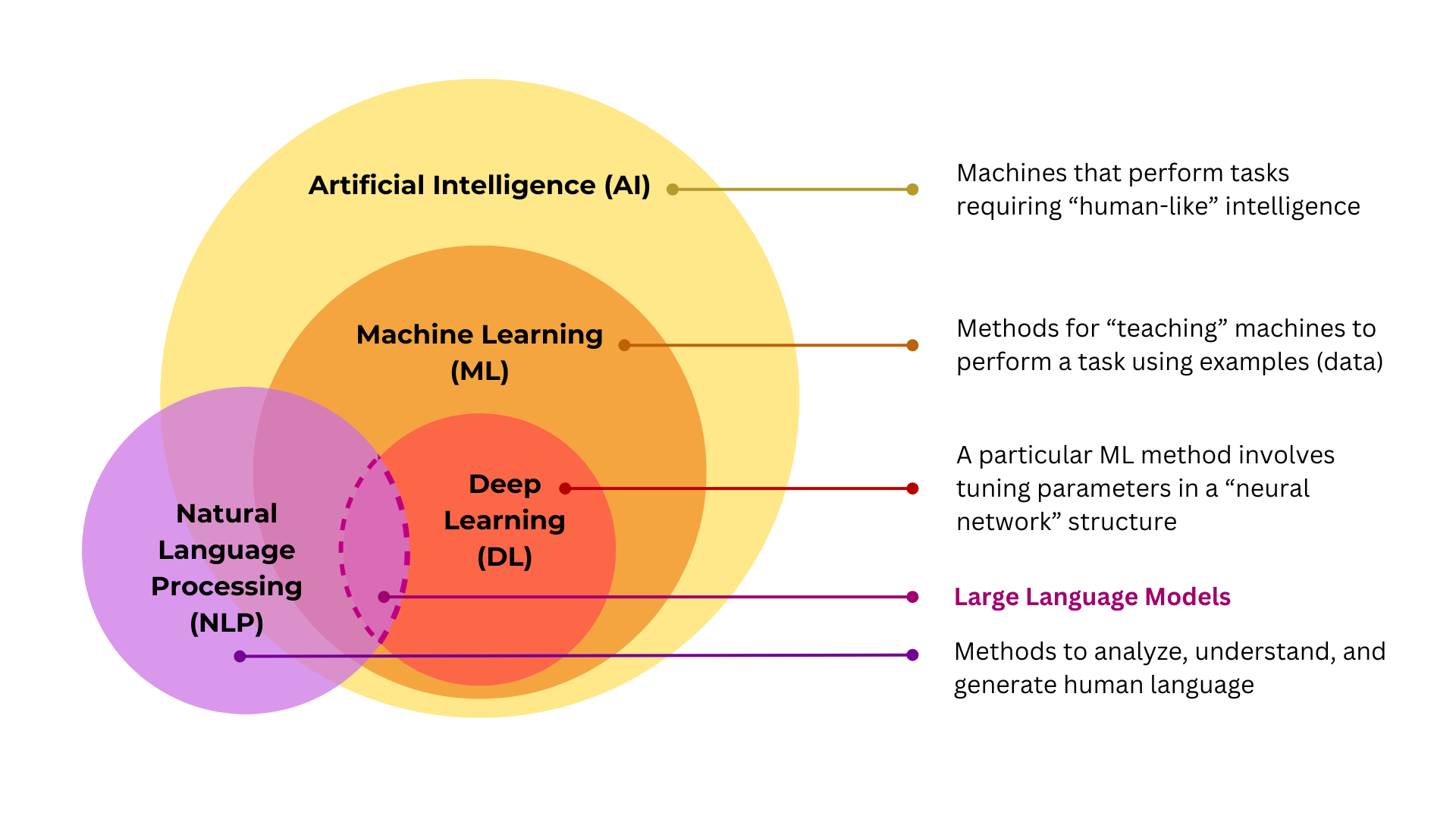
Natural Language Processing (NLP) is a crucial component of artificial intelligence (AI) that focuses on the interaction between computers and humans through natural language. The main goal of NLP is to enable computers to understand, interpret, and respond to human language in a way that is both meaningful and useful.
What is NLP?
NLP stands for Natural Language Processing. It combines computational linguistics with machine learning and deep learning models to process human language data. By leveraging these technologies, NLP allows machines to perform various tasks such as translation, sentiment analysis, speech recognition, and text summarization.
The Importance of NLP in AI
NLP plays a pivotal role in AI by allowing machines to understand and generate human language. This capability is essential for developing applications like chatbots, virtual assistants, and automated customer service systems. With NLP, these systems can comprehend user queries and provide relevant responses, making interactions more natural and efficient.
Key Components of NLP
- Tokenization: This involves breaking down text into smaller units called tokens, which can be words or phrases.
- Part-of-Speech Tagging: This process identifies the grammatical category of each word in a sentence.
- Named Entity Recognition (NER): NER identifies proper nouns within text, such as names of people, organizations, or locations.
- Sentiment Analysis: This technique determines the emotional tone behind a body of text.
- Syntactic Parsing: Parsing analyzes the grammatical structure of sentences.
NLP Applications in AI
NLP has numerous applications across various industries:
- Healthcare: NLP helps process clinical notes and research papers for better patient care insights.
- E-commerce: It enhances customer experience through personalized recommendations and efficient customer support chatbots.
- Finance: NLP is used for sentiment analysis on financial news to predict market trends.
- Sociopolitical Analysis: Analyzing social media data for public sentiment on policies or political events.
The Future of NLP in AI
The future of NLP looks promising as advancements continue to improve its accuracy and efficiency. With ongoing research into machine learning models like transformers and BERT (Bidirectional Encoder Representations from Transformers), the ability of machines to understand context will only get better. As technology progresses, we can expect even more sophisticated applications that will further integrate human language understanding into everyday technology solutions.
NLP is undoubtedly a cornerstone technology within AI that continues to evolve rapidly. Its impact spans across multiple sectors by enhancing communication between humans and machines—a testament to its significance in our increasingly digital world.
Understanding NLP in AI: 7 Key Insights into Natural Language Processing
- NLP, or Natural Language Processing, is a branch of AI that focuses on the interaction between computers and humans using natural language.
- NLP allows computers to understand, interpret, and generate human language.
- Common NLP tasks include sentiment analysis, named entity recognition, machine translation, and text summarization.
- Preprocessing steps like tokenization, stemming, and lemmatization are often used in NLP to clean and normalize text data.
- Machine learning models such as recurrent neural networks (RNNs) and transformers are frequently used in NLP applications.
- Evaluation metrics like accuracy, precision, recall, and F1 score are used to measure the performance of NLP models.
- Ethical considerations around bias in training data and potential misuse of NLP technologies are important aspects to consider in AI development.
NLP, or Natural Language Processing, is a branch of AI that focuses on the interaction between computers and humans using natural language.
Natural Language Processing (NLP) is a vital branch of artificial intelligence that centers on facilitating seamless interaction between computers and humans through the use of natural language. By enabling machines to comprehend, interpret, and generate human language, NLP bridges the communication gap between humans and technology. This field leverages various techniques from computational linguistics and machine learning to perform tasks such as language translation, sentiment analysis, and speech recognition. As a result, NLP powers numerous applications like virtual assistants, chatbots, and automated customer service systems, making interactions with technology more intuitive and efficient. Through continuous advancements in AI models and algorithms, NLP continues to enhance how we communicate with machines in our daily lives.
NLP allows computers to understand, interpret, and generate human language.
Natural Language Processing (NLP) is a transformative technology that empowers computers to comprehend, interpret, and produce human language. By leveraging sophisticated algorithms and machine learning models, NLP enables machines to analyze and derive meaning from text and speech data, bridging the gap between human communication and artificial intelligence. This capability revolutionizes how we interact with technology, opening up a world of possibilities for applications such as virtual assistants, chatbots, sentiment analysis, and language translation.
Common NLP tasks include sentiment analysis, named entity recognition, machine translation, and text summarization.
Natural Language Processing (NLP) encompasses a variety of tasks that enable machines to interpret and generate human language effectively. Among the most common NLP tasks are sentiment analysis, named entity recognition, machine translation, and text summarization. Sentiment analysis involves determining the emotional tone behind a body of text, which is particularly useful for understanding customer feedback or gauging public opinion on social media. Named entity recognition focuses on identifying and classifying proper nouns within text, such as names of people, organizations, or locations, which is crucial for information extraction. Machine translation facilitates the automatic conversion of text from one language to another, breaking down language barriers in global communication. Text summarization condenses lengthy documents into shorter versions while retaining key information, aiding in quick comprehension and decision-making processes. These tasks collectively enhance the ability of AI systems to process and understand human language with greater depth and accuracy.
Preprocessing steps like tokenization, stemming, and lemmatization are often used in NLP to clean and normalize text data.
In the realm of Natural Language Processing (NLP), preprocessing steps such as tokenization, stemming, and lemmatization play a vital role in preparing text data for analysis. Tokenization involves breaking down text into smaller units called tokens, typically words or phrases, which makes it easier for machines to process and analyze the data. Stemming simplifies words to their base or root form by removing suffixes, which helps in reducing variations of a word to a common base. Lemmatization goes a step further by considering the context and converting words to their meaningful base form, known as lemma. These preprocessing techniques are essential for cleaning and normalizing text data, ensuring that the subsequent analysis is accurate and efficient. By standardizing text input, NLP systems can better understand and interpret human language, leading to more reliable outcomes in tasks such as sentiment analysis, information retrieval, and machine translation.
Machine learning models such as recurrent neural networks (RNNs) and transformers are frequently used in NLP applications.
Machine learning models such as recurrent neural networks (RNNs) and transformers play a pivotal role in Natural Language Processing (NLP) applications. RNNs are known for their ability to process sequential data, making them ideal for tasks like language translation and sentiment analysis. On the other hand, transformers have revolutionized NLP with their attention mechanism, allowing them to capture long-range dependencies in text and improve the quality of language understanding and generation. These advanced models have significantly enhanced the capabilities of NLP systems, enabling more accurate and context-aware interactions between machines and human language.
Evaluation metrics like accuracy, precision, recall, and F1 score are used to measure the performance of NLP models.
Evaluation metrics such as accuracy, precision, recall, and F1 score play a critical role in assessing the effectiveness and performance of Natural Language Processing (NLP) models within artificial intelligence. These metrics provide quantitative measures to evaluate how well a model is performing in tasks such as text classification, sentiment analysis, and machine translation. Accuracy indicates the overall correctness of predictions, precision measures the proportion of correctly predicted positive instances among all predicted positives, recall assesses the ability to find all positive instances, and the F1 score combines precision and recall into a single metric to provide a balanced evaluation of model performance. By utilizing these evaluation metrics, researchers and practitioners can gain valuable insights into the strengths and weaknesses of NLP models, ultimately driving improvements in their development and deployment.
Ethical considerations around bias in training data and potential misuse of NLP technologies are important aspects to consider in AI development.
When developing AI systems that utilize Natural Language Processing (NLP), it’s crucial to address ethical considerations, particularly concerning bias in training data and the potential misuse of these technologies. Bias can inadvertently be introduced into AI models if the training data reflects existing prejudices or stereotypes, leading to unfair or discriminatory outcomes. This can have significant negative impacts, especially when NLP applications are used in sensitive areas like hiring, law enforcement, or healthcare. Additionally, there is a risk of NLP technologies being misused for malicious purposes, such as generating misleading information or invading privacy. Therefore, developers must prioritize creating fair and unbiased systems by carefully selecting and evaluating their datasets and implementing robust ethical guidelines to mitigate these risks. This ensures that NLP technologies are used responsibly and contribute positively to society.