The Role of an NLP Engineer in Today’s Technology Landscape
In the fast-evolving world of technology, Natural Language Processing (NLP) engineers play a crucial role in developing cutting-edge solutions that enable machines to understand and interpret human language.
NLP engineers are specialized professionals who combine expertise in computer science, artificial intelligence, and linguistics to create algorithms and models that can analyze, process, and generate human language data. Their work is instrumental in powering various applications such as chatbots, virtual assistants, sentiment analysis tools, machine translation systems, and more.
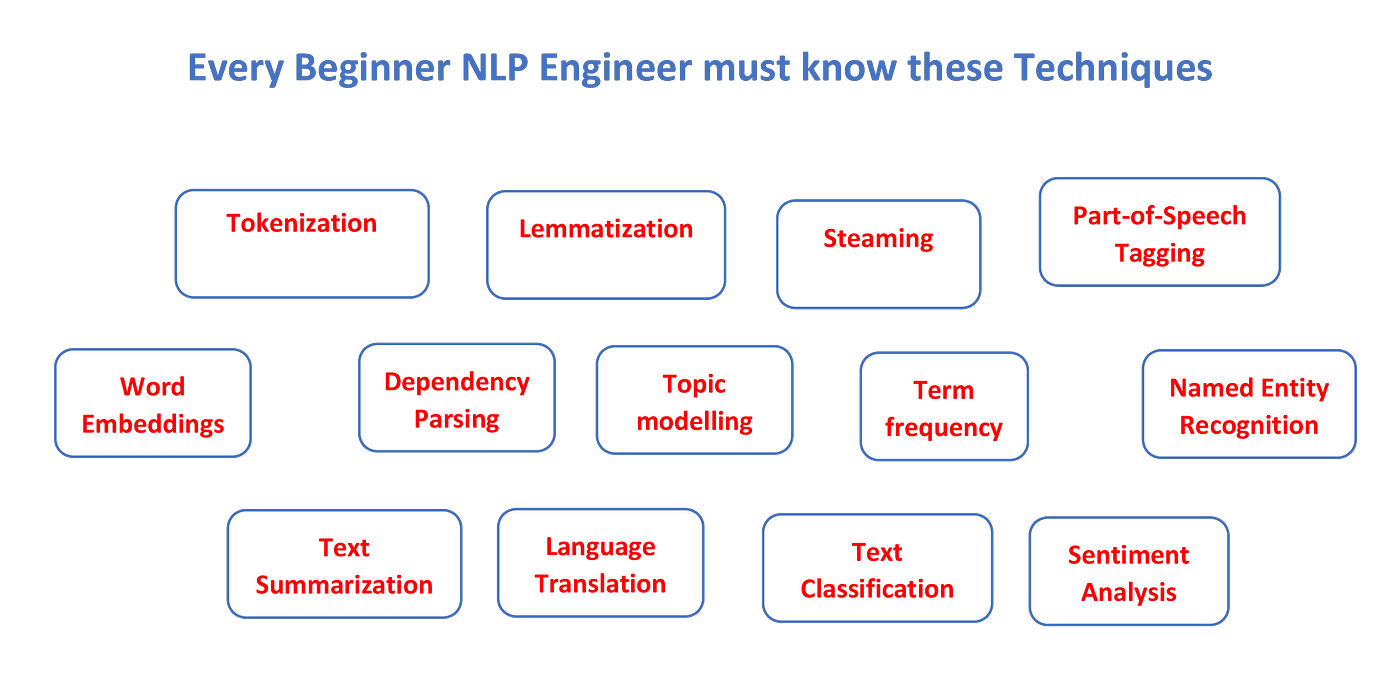
One of the key responsibilities of an NLP engineer is to design and implement algorithms that can extract meaning from unstructured text data. This involves tasks such as text tokenization, part-of-speech tagging, named entity recognition, sentiment analysis, and language modeling.
Additionally, NLP engineers work on enhancing the accuracy and efficiency of language processing systems through machine learning techniques like deep learning and neural networks. By training models on vast amounts of annotated text data, they can improve the performance of NLP applications and make them more adept at understanding context and nuances in language.
Furthermore, NLP engineers collaborate closely with cross-functional teams comprising data scientists, software developers, UX designers, and domain experts to integrate NLP capabilities into diverse products and services. Their expertise is essential for creating user-friendly interfaces that leverage natural language interactions to enhance user experience.
As the demand for intelligent automation and personalized communication continues to rise across industries, the role of NLP engineers becomes increasingly vital. They are at the forefront of driving innovation in language technologies and shaping the future of human-machine interaction.
In conclusion, NLP engineers play a pivotal role in advancing natural language understanding capabilities in technology-driven solutions. Their expertise empowers machines to comprehend human language effectively, enabling a wide range of applications that facilitate seamless communication between humans and machines.
Everything You Need to Know About NLP Engineers: Roles, Skills, Tools, and Career Prospects
- What is an NLP engineer?
- What does an NLP engineer do?
- What skills are required to become an NLP engineer?
- How does an NLP engineer use machine learning in their work?
- What tools and technologies do NLP engineers commonly use?
- What industries or sectors typically employ NLP engineers?
- What are the future prospects for NLP engineers in the job market?
What is an NLP engineer?
An NLP engineer is a specialized professional in the field of technology who possesses expertise in computer science, artificial intelligence, and linguistics. Their primary role involves developing algorithms and models that enable machines to understand, interpret, and generate human language data. NLP engineers play a crucial role in creating innovative solutions such as chatbots, virtual assistants, sentiment analysis tools, and machine translation systems by leveraging their skills to process and analyze unstructured text data effectively. Their work is essential for advancing natural language processing capabilities and enhancing human-machine interactions in various applications across industries.
What does an NLP engineer do?
An NLP engineer is responsible for developing and implementing algorithms and models that enable machines to understand, interpret, and generate human language data. They work on tasks such as text tokenization, part-of-speech tagging, sentiment analysis, and language modeling to extract meaning from unstructured text data. NLP engineers also leverage machine learning techniques like deep learning and neural networks to enhance the accuracy and efficiency of language processing systems. Collaborating with cross-functional teams, they integrate NLP capabilities into various applications such as chatbots, virtual assistants, and sentiment analysis tools to improve user experience and drive innovation in natural language understanding technologies.
What skills are required to become an NLP engineer?
To become an NLP engineer, a combination of technical skills and domain knowledge is essential. Proficiency in programming languages such as Python, Java, or C++ is crucial for developing NLP algorithms and models. Strong understanding of machine learning techniques, especially in the context of natural language processing, is also necessary to build accurate and efficient language processing systems. Additionally, expertise in linguistics and knowledge of NLP libraries and frameworks like NLTK, spaCy, or TensorFlow can greatly benefit aspiring NLP engineers in creating robust solutions. Effective communication skills and the ability to work collaboratively with multidisciplinary teams are also valuable traits that can enhance one’s success in this dynamic field.
How does an NLP engineer use machine learning in their work?
An NLP engineer utilizes machine learning in their work by leveraging algorithms and models to train systems to understand and process human language. By feeding large amounts of annotated text data into machine learning models, NLP engineers can teach machines to recognize patterns, extract meaning, and generate responses in natural language. Techniques such as deep learning and neural networks are commonly employed to enhance the accuracy and performance of NLP applications. Through iterative training and optimization, NLP engineers fine-tune these models to improve language processing capabilities, enabling machines to interpret context, sentiment, and nuances in text data effectively.
What tools and technologies do NLP engineers commonly use?
NLP engineers commonly utilize a variety of tools and technologies to develop and enhance natural language processing systems. Some of the key tools in their toolkit include programming languages like Python and Java, libraries such as NLTK (Natural Language Toolkit) and spaCy for text processing, frameworks like TensorFlow and PyTorch for building neural networks, and platforms such as Apache OpenNLP and Stanford NLP for advanced NLP tasks. Additionally, they leverage cloud services like AWS, Google Cloud Platform, or Microsoft Azure for scalable computing power and data storage. These tools enable NLP engineers to design robust algorithms, train machine learning models, and deploy sophisticated language processing solutions that drive innovation in the field of natural language understanding.
What industries or sectors typically employ NLP engineers?
NLP engineers are in high demand across various industries and sectors that rely on natural language processing technology to enhance their operations and services. Some of the key industries that typically employ NLP engineers include technology and software development, healthcare, finance, e-commerce, customer service, marketing and advertising, social media, education, and government. In these sectors, NLP engineers play a critical role in developing innovative solutions such as chatbots, sentiment analysis tools, recommendation systems, language translation services, voice assistants, and more to improve efficiency, productivity, and user experience.
What are the future prospects for NLP engineers in the job market?
The future prospects for NLP engineers in the job market are exceptionally promising as the demand for advanced language processing technologies continues to grow across various industries. With the increasing adoption of AI-driven solutions, businesses are seeking skilled NLP professionals to develop and enhance applications such as chatbots, virtual assistants, and sentiment analysis tools. As organizations strive to improve customer interactions and automate processes, NLP engineers will play a critical role in creating more sophisticated and intuitive language-based systems. Furthermore, advancements in machine learning and deep learning open new opportunities for innovation in natural language understanding, making NLP engineering a dynamic field with significant potential for career growth and development.