Understanding Machine Learning and Deep Learning: A Comprehensive Guide
In the ever-evolving world of technology, terms like “machine learning” and “deep learning” are often used interchangeably. However, while they are related, they are not the same. This article aims to clarify these concepts, explore their differences, and highlight their applications.
What is Machine Learning?
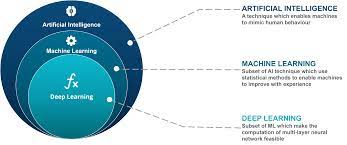
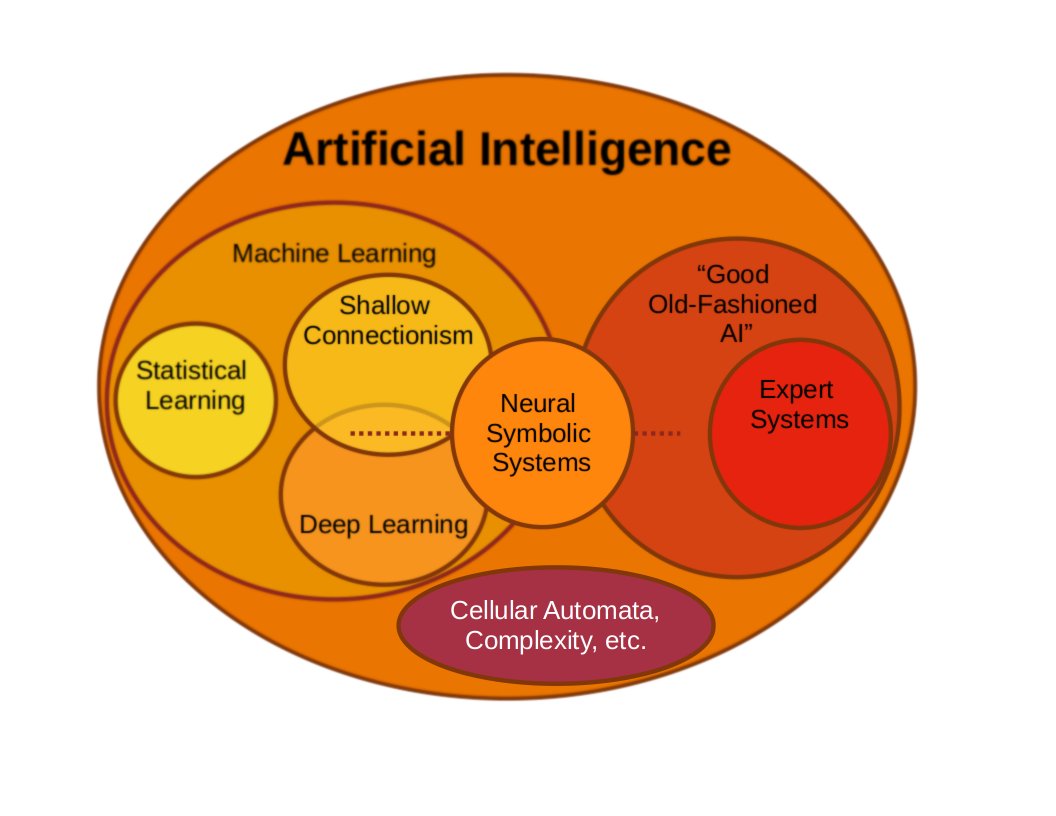
Machine learning is a subset of artificial intelligence (AI) that focuses on developing algorithms that allow computers to learn from and make predictions based on data. It involves training a model using a dataset so that it can perform tasks without being explicitly programmed for each specific task.
There are several types of machine learning:
- Supervised Learning: Involves training a model on a labeled dataset, meaning the algorithm learns from input-output pairs.
- Unsupervised Learning: The model tries to identify patterns and relationships in data without any labeled responses.
- Semi-supervised Learning: Combines both labeled and unlabeled data to improve learning accuracy.
- Reinforcement Learning: The model learns by interacting with an environment to achieve certain goals or rewards.
The Rise of Deep Learning
Deep learning is a specialized branch of machine learning that uses neural networks with many layers (hence “deep”) to analyze various levels of abstraction in data. Inspired by the structure and function of the human brain, deep neural networks can automatically discover representations needed for feature detection or classification from raw data.
The Structure of Deep Neural Networks
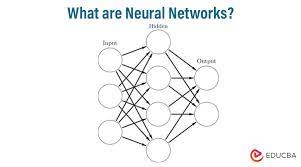
A typical deep neural network consists of an input layer, multiple hidden layers, and an output layer. Each layer is made up of nodes (or neurons) that process input through weighted connections. The network adjusts these weights based on errors in predictions during training using techniques like backpropagation.
Key Differences Between Machine Learning and Deep Learning
- Data Requirements: Deep learning models generally require large amounts of data compared to traditional machine learning models.
- Feature Engineering: Machine learning often requires manual feature extraction, whereas deep learning can automatically learn features from raw data.
- Computational Power: Deep learning models typically require more computational resources due to their complexity and size.
Applications in Today’s World
The applications for machine learning and deep learning span across various industries:
- NLP (Natural Language Processing): Used in virtual assistants like Siri or Alexa for language translation and sentiment analysis.
- Computer Vision: Powers facial recognition systems, autonomous vehicles’ vision systems, and medical image analysis tools.
- E-commerce: Enhances recommendation engines that suggest products based on user behavior patterns.
- Agriculture: Helps optimize crop yields through predictive analytics based on environmental conditions.
The Future Outlook
The potential for machine learning and deep learning continues to grow with advances in technology. As computational power increases and more data becomes available, these fields will likely lead to even more breakthroughs across industries worldwide. Organizations investing in these technologies can expect significant improvements in efficiency, productivity, innovation—and ultimately—a competitive edge in their respective markets.
The journey into understanding AI’s capabilities has just begun; as new algorithms emerge daily alongside technological advancements—machine intelligence promises exciting possibilities ahead!
Understanding Machine Learning and Deep Learning: Key Questions Answered
- Is ChatGPT machine learning or deep learning?
- What is a deep learning model in machine learning?
- What are the 4 main types of AI?
- Which is better deep learning or machine learning?
- Is Netflix machine learning or deep learning?
- Is machine learning part of deep learning?
Is ChatGPT machine learning or deep learning?
ChatGPT is a product of deep learning, which is a subset of machine learning. Specifically, it utilizes a type of deep learning model known as a transformer neural network. These networks are designed to understand and generate human-like text by processing large amounts of data and identifying patterns within that data. While machine learning encompasses a broad range of algorithms and techniques for enabling computers to learn from data, deep learning focuses on neural networks with multiple layers that can automatically extract complex features from raw inputs. ChatGPT’s ability to generate coherent and contextually relevant text is made possible by the sophisticated architecture and training methods inherent in deep learning models.
What is a deep learning model in machine learning?
A deep learning model in machine learning is a type of artificial neural network with multiple layers of interconnected nodes, allowing it to learn complex patterns and representations from data. These models are designed to automatically discover hierarchical features in the input data, enabling them to perform tasks such as image recognition, natural language processing, and speech recognition with high accuracy. The depth of the network allows for more sophisticated learning capabilities compared to traditional machine learning models, making deep learning a powerful tool for solving intricate problems in various domains.
What are the 4 main types of AI?
Artificial Intelligence (AI) is broadly categorized into four main types, each representing different levels of capability and functionality. The first type is **Reactive Machines**, which can perform basic operations and respond to specific inputs, but they lack memory and the ability to learn from past experiences. An example is IBM’s Deep Blue, which was designed to play chess by evaluating all possible moves. The second type is **Limited Memory AI**, which can use past experiences to inform future decisions for a short period of time. Most current AI systems, like self-driving cars, fall into this category as they observe the environment and make decisions based on recent data. The third type is **Theory of Mind AI**, which is still largely theoretical and involves machines that can understand human emotions and social interactions. Lastly, **Self-aware AI** represents the most advanced form of AI that not only understands human emotions but also possesses self-awareness and consciousness. This type remains a concept in science fiction as it has yet to be realized in practical applications.
Which is better deep learning or machine learning?
When comparing deep learning and machine learning, the question of which is better often arises. The answer depends on the specific task or problem at hand. Deep learning, a subset of machine learning, excels in handling complex unstructured data like images, audio, and text through its deep neural networks. It is particularly effective in tasks such as image recognition and natural language processing. On the other hand, traditional machine learning techniques may be more suitable for smaller datasets or when interpretability and explainability of results are crucial. Ultimately, the choice between deep learning and machine learning depends on factors such as dataset size, complexity of the problem, computational resources available, and the desired level of interpretability in the final model.
Is Netflix machine learning or deep learning?
When pondering whether Netflix utilizes machine learning or deep learning, it’s essential to recognize that the streaming giant employs both technologies in its operations. Machine learning plays a crucial role in Netflix’s recommendation system, where algorithms analyze user behavior and preferences to suggest personalized content. On the other hand, deep learning is also utilized by Netflix for tasks such as image and speech recognition, enhancing the overall user experience. By leveraging a combination of machine learning and deep learning techniques, Netflix continues to refine its platform, providing users with tailored recommendations and cutting-edge features that keep them engaged and satisfied.
Is machine learning part of deep learning?
The relationship between machine learning and deep learning is a common point of confusion for many. While machine learning is indeed a broader field that encompasses various techniques for enabling computers to learn from data, deep learning represents a specific subset of machine learning. Deep learning utilizes neural networks with multiple layers to analyze complex patterns in data, aiming to automatically extract features and make predictions. In essence, deep learning is a sophisticated and advanced form of machine learning, showcasing the evolution and specialization within the field of artificial intelligence.