Birth Certificate Translation: Why Accuracy Matters
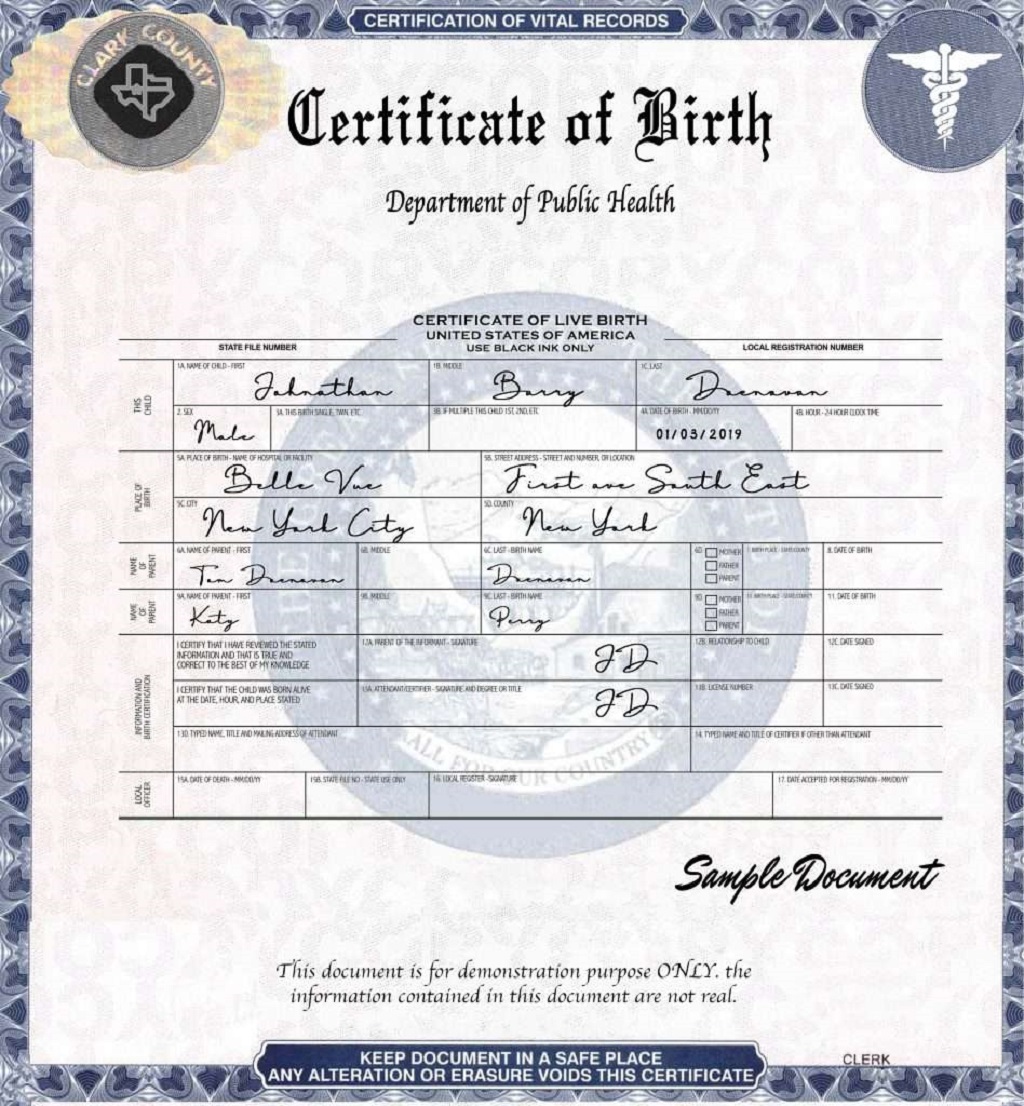
A birth certificate is a vital document that provides important information about an individual’s identity, such as their name, date of birth, place of birth, and parentage. In many situations, such as applying for citizenship, getting married, or enrolling in school or university, a translated version of a birth certificate may be required.
When it comes to translating a birth certificate, accuracy is paramount. Any errors or inaccuracies in the translation could lead to misunderstandings, legal issues, or delays in processing important documents. That’s why it’s crucial to entrust the task of translating a birth certificate to professional translators who are experienced in handling official documents.
Professional translators who specialize in document translation understand the importance of maintaining the original meaning and format of the birth certificate while accurately translating it into the target language. They pay careful attention to details such as names, dates, and locations to ensure that the translated document is an exact replica of the original.
Furthermore, certified translators can provide a certification of accuracy along with the translated birth certificate. This certification attests that the translation is true and accurate to the best of the translator’s knowledge and ability. Having a certified translation can help ensure that your translated birth certificate will be accepted by official authorities and institutions.
Whether you need a birth certificate translated for personal or legal reasons, it’s essential to choose a reputable translation service that guarantees accuracy and confidentiality. By investing in professional translation services for your birth certificate, you can rest assured that your important document will be handled with care and precision.
Remember: when it comes to birth certificate translation, accuracy matters.
7 Essential Tips for Accurate and Certified Birth Certificate Translation
- Ensure the translation is accurate and certified by a professional translator.
- Include all information from the original birth certificate in the translation.
- Verify if notarization or apostille is required for the translated document.
- Check with the relevant authorities about any specific formatting requirements for the translation.
- Keep copies of both the original and translated birth certificates for your records.
- Plan ahead to allow enough time for the translation process, especially if it needs to be done urgently.
- Double-check all names, dates, and other details in the translated document for accuracy.
Ensure the translation is accurate and certified by a professional translator.
To ensure the validity and acceptance of your translated birth certificate, it is crucial to have it accurately translated and certified by a professional translator. Professional translators possess the expertise and attention to detail required to accurately translate official documents like birth certificates while maintaining the original meaning and format. By obtaining a certified translation, you can have confidence that the translated document is accurate and meets the standards required by official authorities and institutions. Investing in a professional translator for your birth certificate translation guarantees precision and reliability in conveying your vital information across languages.
Include all information from the original birth certificate in the translation.
When translating a birth certificate, it is crucial to include all information from the original document in the translation. This ensures that important details such as names, dates, and locations are accurately conveyed in the target language. By including all information from the original birth certificate in the translation, you can maintain the integrity and validity of the document, making it suitable for official use and avoiding any potential misunderstandings or discrepancies.
Verify if notarization or apostille is required for the translated document.
Before proceeding with the translation of a birth certificate, it is crucial to verify whether notarization or an apostille is required for the translated document. Depending on the intended use of the translation, certain authorities or institutions may require additional authentication to validate the accuracy and authenticity of the translated birth certificate. Notarization involves a notary public certifying that the translation is accurate and complete, while an apostille is a specific form of authentication recognized internationally. By confirming these requirements in advance, you can ensure that your translated birth certificate meets all necessary legal and official standards for acceptance.
Check with the relevant authorities about any specific formatting requirements for the translation.
Before proceeding with the translation of your birth certificate, it is advisable to check with the relevant authorities regarding any specific formatting requirements that need to be followed. Different institutions or countries may have their own guidelines for translated documents, such as font size, layout, or certification details. Ensuring that the translation meets these specific formatting requirements can help prevent any delays or issues when submitting your translated birth certificate for official purposes.
Keep copies of both the original and translated birth certificates for your records.
It is highly recommended to keep copies of both the original and translated birth certificates for your records. By maintaining duplicates of these important documents, you can easily access them whenever needed for various official purposes, such as applying for a passport, obtaining a visa, or enrolling in educational institutions. Having copies of both versions ensures that you have a complete set of documentation in case the originals are lost or damaged. Additionally, keeping organized records of your birth certificates can help streamline future translation or certification processes, saving you time and effort in the long run.
Plan ahead to allow enough time for the translation process, especially if it needs to be done urgently.
Planning ahead is crucial when it comes to birth certificate translation. It’s important to allow enough time for the translation process, especially if it needs to be done urgently. Rushing through a translation can lead to errors and inaccuracies, which may cause delays in obtaining important documents or completing necessary paperwork. By giving ample time for the translation process, you can ensure that the job is done accurately and efficiently, giving you peace of mind knowing that your translated birth certificate will meet all requirements and deadlines.
Double-check all names, dates, and other details in the translated document for accuracy.
It is crucial to double-check all names, dates, and other details in the translated document for accuracy when translating a birth certificate. Any errors or inaccuracies in these key pieces of information can lead to misunderstandings, legal complications, or delays in processing important documents. By meticulously reviewing and verifying every detail in the translated document, you can ensure that the final version is a precise and faithful representation of the original birth certificate. Taking the time to verify names, dates, and other essential information will help guarantee that your translated birth certificate is error-free and ready for official use.