The Impact of AI and NLP Technologies
Artificial Intelligence (AI) and Natural Language Processing (NLP) are two of the most transformative technologies in today’s digital landscape. They are revolutionizing how we interact with machines, process information, and understand human language.
Understanding AI and NLP
AI refers to the simulation of human intelligence in machines that are programmed to think like humans and mimic their actions. It encompasses a wide range of technologies, including machine learning, deep learning, neural networks, and more.
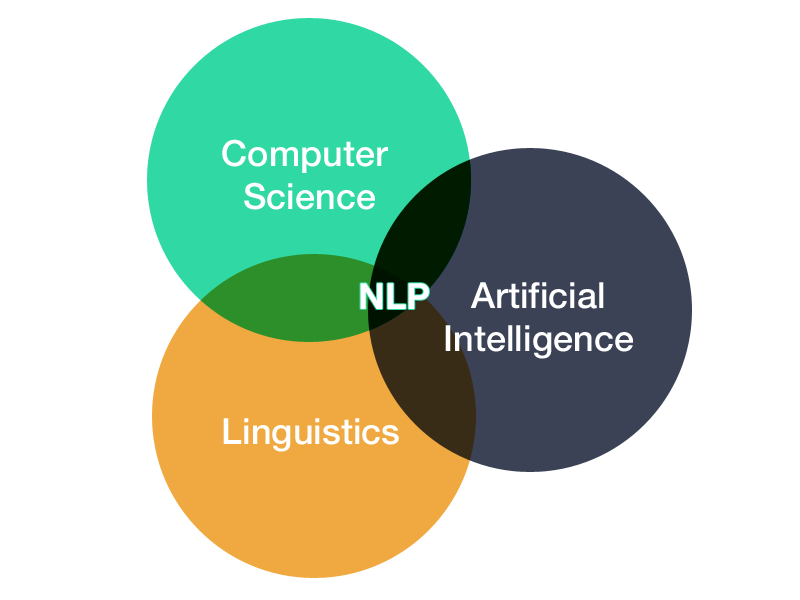
NLP, a subset of AI, focuses on the interaction between computers and humans through natural language. The goal is to enable computers to understand, interpret, and respond to human language in a way that is both meaningful and useful.
Applications of AI and NLP
The applications of AI and NLP are vast and varied. In customer service, chatbots powered by these technologies can handle routine inquiries efficiently. In healthcare, they assist in diagnosing diseases by analyzing patient data. In finance, they help detect fraudulent activities by analyzing transaction patterns.
- Virtual Assistants: Tools like Siri, Alexa, and Google Assistant use NLP to understand voice commands.
- Language Translation: Services such as Google Translate leverage AI for real-time translation across multiple languages.
- Sentiment Analysis: Businesses use NLP to analyze customer feedback on social media platforms to gauge public sentiment about their products or services.
- Content Generation: AI-driven tools can generate written content based on specific inputs or criteria.
The Future of AI and NLP
The future holds immense potential for AI and NLP technologies. As these systems become more advanced, they will continue to enhance how we communicate with machines. Improvements in understanding context, emotion detection, and generating human-like responses will drive further innovation across industries.
However, with these advancements come challenges such as data privacy concerns and ethical considerations around bias in AI algorithms. Addressing these issues will be crucial as we integrate these technologies deeper into our daily lives.
Conclusion
The integration of AI and NLP into various sectors is not just enhancing efficiency but also opening new avenues for technological growth. As research continues to evolve in this field, the possibilities for improving human-machine interaction are limitless. Embracing these innovations responsibly will be key to unlocking their full potential while ensuring ethical standards are upheld.
Mastering AI and NLP: 8 Essential Tips for Staying Ahead in Technology
- Understand the basics of AI and NLP technologies before diving into advanced concepts.
- Stay updated with the latest trends and advancements in AI and NLP to enhance your knowledge.
- Experiment with different AI and NLP tools to gain practical experience and insight.
- Consider ethical implications when developing or using AI and NLP technologies.
- Collaborate with experts in the field to exchange ideas and learn from each other.
- Utilize open-source resources for AI and NLP development to leverage existing solutions.
- Test your AI models thoroughly to ensure accuracy, reliability, and efficiency.
- Continuously improve your skills through online courses, workshops, and hands-on projects.
Understand the basics of AI and NLP technologies before diving into advanced concepts.
Before delving into the advanced concepts of AI and NLP technologies, it’s crucial to grasp the foundational principles that underpin these fields. Understanding the basics provides a solid framework for comprehending how AI algorithms function and how NLP processes human language. This foundational knowledge includes familiarizing oneself with key terms such as machine learning, neural networks, and natural language understanding. By building this base, individuals can better appreciate the complexities and innovations in AI and NLP, enabling them to apply these technologies more effectively in real-world scenarios. Additionally, a strong grasp of the basics helps in identifying potential challenges and ethical considerations associated with AI implementations.
Stay updated with the latest trends and advancements in AI and NLP to enhance your knowledge.
In the rapidly evolving fields of AI and NLP, staying updated with the latest trends and advancements is crucial for enhancing your knowledge and maintaining a competitive edge. These technologies are continuously advancing, with new algorithms, tools, and applications emerging regularly. By keeping abreast of these developments, you can better understand how to leverage AI and NLP in practical scenarios, whether it’s improving business processes, developing innovative products, or conducting cutting-edge research. Engaging with industry publications, attending conferences, participating in webinars, and joining professional networks are effective ways to stay informed and connected with the latest breakthroughs in these dynamic fields. This proactive approach not only broadens your expertise but also positions you to take advantage of new opportunities as they arise.
Experiment with different AI and NLP tools to gain practical experience and insight.
Experimenting with different AI and NLP tools is a valuable approach to gaining practical experience and deeper insights into these technologies. By hands-on exploration, individuals can better understand the capabilities and limitations of various tools, such as language models, sentiment analysis software, and machine translation services. This experimentation not only enhances technical skills but also fosters creativity in applying these technologies to real-world problems. As users engage with diverse platforms, they can identify which tools best meet their specific needs, ultimately leading to more efficient and innovative solutions in their projects or businesses.
Consider ethical implications when developing or using AI and NLP technologies.
When developing or using AI and NLP technologies, it is crucial to consider the ethical implications involved. These technologies have the potential to significantly impact society, influencing everything from privacy and security to fairness and accountability. Developers must ensure that their AI systems are free from biases that could lead to discriminatory outcomes. It’s essential to implement transparent algorithms that can be audited and understood by users, fostering trust in AI applications. Additionally, safeguarding user data is paramount, as these systems often process sensitive information. By prioritizing ethical considerations, developers can create AI and NLP solutions that are not only innovative but also equitable and respectful of individual rights.
Collaborate with experts in the field to exchange ideas and learn from each other.
Collaborating with experts in the field of AI and NLP is a powerful strategy for driving innovation and gaining deeper insights into these rapidly evolving technologies. By engaging with professionals who bring diverse experiences and perspectives, individuals and organizations can exchange ideas, share best practices, and learn from each other’s successes and challenges. This collaborative approach fosters a dynamic environment where new solutions can be developed more efficiently, leveraging the collective knowledge of the group. Additionally, working alongside seasoned experts provides invaluable opportunities for mentorship and professional growth, helping to refine skills and stay abreast of the latest advancements in AI and NLP. Ultimately, such collaborations not only enhance individual expertise but also contribute to the broader progress of these transformative fields.
Utilize open-source resources for AI and NLP development to leverage existing solutions.
Utilizing open-source resources for AI and NLP development is a strategic approach that allows developers to leverage existing solutions and accelerate innovation. Open-source platforms, such as TensorFlow, PyTorch, and spaCy, provide robust frameworks and libraries that can significantly reduce development time and cost. By tapping into the collective knowledge of the global developer community, individuals and organizations can access pre-built models, datasets, and tools that have been tested and refined over time. This collaborative environment fosters continuous improvement and enables developers to focus on customizing solutions to meet specific needs rather than reinventing the wheel. Embracing open-source resources not only enhances efficiency but also encourages knowledge sharing and drives advancements in AI and NLP technologies.
Test your AI models thoroughly to ensure accuracy, reliability, and efficiency.
Testing AI models thoroughly is crucial to ensure their accuracy, reliability, and efficiency. This process involves validating the model against diverse datasets to assess its performance across various scenarios and edge cases. By conducting comprehensive testing, developers can identify potential biases, errors, or weaknesses in the model’s predictions. Additionally, thorough testing helps in fine-tuning the algorithms to enhance their robustness and adaptability in real-world applications. Ensuring that AI models perform consistently well not only builds trust among users but also maximizes the technology’s potential benefits while minimizing risks associated with incorrect or biased outputs. Ultimately, rigorous testing is an essential step in delivering AI solutions that meet high standards of quality and effectiveness.
Continuously improve your skills through online courses, workshops, and hands-on projects.
In the rapidly evolving fields of AI and NLP technologies, staying current and continuously improving your skills is essential. Engaging in online courses and workshops allows you to learn from industry experts and gain insights into the latest advancements and techniques. These educational resources often provide a structured learning path, covering everything from foundational concepts to advanced applications. Additionally, participating in hands-on projects is crucial for applying theoretical knowledge to real-world scenarios, helping to solidify your understanding and enhance problem-solving skills. By actively seeking out these opportunities for growth, you can ensure that your expertise remains relevant and competitive in this dynamic landscape.