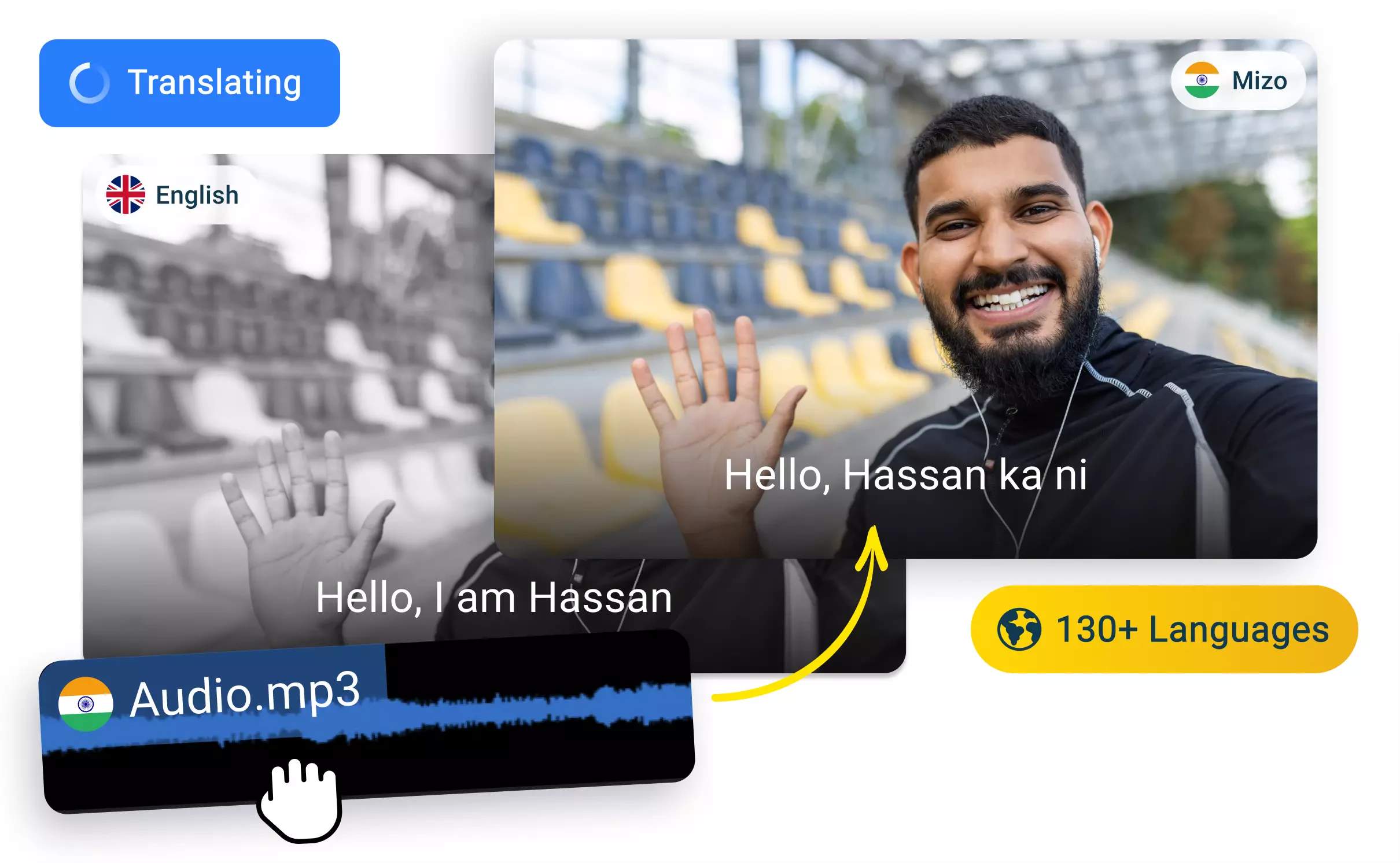
Mizo Translation: Connecting People Through Language
Mizo translation helps people communicate across linguistic and cultural boundaries in northeastern India and beyond. Whether the task involves translating educational materials, business information, public service announcements, or personal messages, accurate translation makes content accessible to Mizo-speaking audiences.
Effective Mizo translation requires more than replacing words from one language with words from another. It depends on understanding context, grammar, cultural references, and the intended reader.
What Is the Mizo Language?
Mizo, also known as Mizo ṭawng, is a language spoken primarily in Mizoram, a state in northeastern India. Mizo-speaking communities also live in neighboring regions, including parts of Myanmar and Bangladesh. The language belongs to the Kuki-Chin branch of the Sino-Tibetan language family.
Modern written Mizo uses a Latin-based alphabet developed through missionary work in the late nineteenth century. Although its letters may look familiar to English readers, Mizo has its own pronunciation, grammatical patterns, and writing conventions.
Mizo also serves as an important common language among communities with different linguistic backgrounds in Mizoram. This makes translation valuable not only for international communication but also for regional access to information.
Why Mizo Translation Matters
Making information available in Mizo can help organizations reach people more effectively and give readers access to content in a familiar language. Common uses include:
- Education: Translating learning resources, instructions, and student support materials.
- Healthcare: Making health information, appointment guidance, and patient instructions easier to understand.
- Public services: Providing accessible information about government programs, community initiatives, and emergency procedures.
- Business: Adapting product descriptions, customer support content, and marketing messages for local audiences.
- Culture and literature: Sharing stories, songs, and other creative works across languages.
Key Challenges in Mizo Translation
Different Sentence Structures
English generally follows a subject-verb-object pattern, while Mizo commonly places the verb toward the end of a clause. Translators often need to reorganize an entire sentence rather than translate each word in sequence. Preserving English word order can produce awkward or misleading Mizo text.
Tone and Context
Mizo is a tonal language, meaning differences in pitch can distinguish words. Written text does not always explicitly represent every tonal distinction, so context plays an important role in interpretation. Short phrases, isolated words, and ambiguous source sentences can therefore be difficult to translate reliably.
Cultural Meaning
Idioms, humor, forms of address, and culturally specific references may not have direct equivalents. A translator must decide whether to use a natural local expression, explain the reference, or rephrase the message while preserving its purpose.
Specialized Terminology
Legal, medical, scientific, and technical content requires particular care. Some concepts may be expressed through established local terms, borrowed words, or descriptive phrases. Consistent terminology and subject-matter review are essential when mistakes could have serious consequences.
Can AI Translate Mizo Accurately?
AI translation can help users understand the general meaning of a message or produce an initial draft. However, quality varies by tool, language pair, topic, and the amount of context provided.
Mizo has fewer widely available digital language resources than languages such as English or Spanish. This can limit the performance of translation systems. An AI-generated sentence may sound plausible while omitting information, choosing the wrong meaning, or mishandling a grammatical relationship.
For published content, review by a proficient Mizo speaker is strongly recommended. Medical, legal, financial, and safety-related translations should also receive appropriate professional review.
How to Get Better Mizo Translations
- Start with clear source text. Avoid unnecessary jargon, ambiguous pronouns, and overly long sentences.
- Provide context. Identify the audience, subject, desired tone, and intended use.
- Supply a glossary. Include approved translations for recurring terms, names, and product labels.
- Check critical details. Verify numbers, dates, measurements, names, and instructions.
- Review for naturalness. A good translation should read smoothly, not merely resemble the original sentence structure.
- Protect sensitive information. Check a translation service’s privacy practices before submitting confidential material.
Choosing a Mizo Translation Service
Before selecting a provider, confirm that it supports the required translation direction, such as English to Mizo or Mizo to English. Look for relevant subject expertise, clear quality-control procedures, and access to qualified reviewers. For important projects, a short sample can help assess accuracy and readability.
Clear Communication Starts with Context
Mizo translation supports access to knowledge, stronger community connections, and communication across cultures. Combining useful translation technology with linguistic expertise and careful review helps preserve both the meaning of the original text and the natural expression of the Mizo language.
7 Essential Tips for Accurate and Culturally Sensitive Mizo Translation
- Understand the context before translating.
- Use standard Mizo spelling and diacritics.
- Preserve the original meaning, not just the wording.
- Choose terms familiar to the intended audience.
- Check tone, politeness, and cultural nuances.
- Ask a fluent Mizo speaker to review the translation.
- Keep names and technical terms consistent.
Understand the context before translating.
Understanding the context is essential when translating into or from Mizo because a word or phrase can have different meanings depending on the subject, audience, and situation. Before translating, consider the purpose of the text, who will read it, and the tone it should convey. This is especially important for idioms, informal expressions, and technical terms, which may not have direct equivalents. With the full context in mind, you can choose wording that preserves the intended meaning and sounds natural to Mizo readers.
Use standard Mizo spelling and diacritics.
Use standard Mizo spelling and diacritics to keep translations clear, consistent, and easy for readers to understand. Preserve the correct forms of Mizo letters and marks rather than replacing them with approximate spellings, especially in names and words where a small difference can affect meaning or pronunciation. When in doubt, consult a trusted Mizo style guide or a fluent speaker.
Preserve the original meaning, not just the wording.
When translating into Mizo, focus on preserving the original meaning rather than matching each word or phrase exactly. Sentence structures, idioms, and cultural references may not have direct equivalents, so a word-for-word translation can sound unnatural or even change the message. Rephrase where needed, while keeping the original intent, tone, and key details clear for Mizo-speaking readers.
Choose terms familiar to the intended audience.
When translating into Mizo, choose terms that are familiar to the intended audience. A word-for-word translation or an uncommon technical term may confuse readers, even if it is technically accurate. Consider the audience’s age, region, and familiarity with the subject, and use clear, commonly understood wording wherever possible. For specialized topics, explain unfamiliar terms briefly and ask a fluent Mizo speaker to review the translation for clarity and naturalness.
Check tone, politeness, and cultural nuances.
When translating into Mizo, pay close attention to tone, politeness, and cultural context—not just the literal meaning of each word. The right phrasing can depend on who is speaking, who will read the message, and the relationship between them. Idioms, humor, and forms of address may not translate directly, so adapt them to sound natural and respectful to Mizo readers. For important content, ask a fluent speaker to review the wording and confirm that it conveys the intended meaning.
Ask a fluent Mizo speaker to review the translation.
Ask a fluent Mizo speaker to review the translation before sharing it, especially if it will be used in public, professional, or important communications. They can spot awkward wording, incorrect meanings, and cultural nuances that automated tools or non-native reviewers may miss. A fluent review helps ensure the message sounds natural, is easy to understand, and reflects the intended meaning accurately.
Keep names and technical terms consistent.
Keep names and technical terms consistent throughout a Mizo translation to make the text clear and trustworthy. Use the same spelling for people, places, organizations, and product names, and follow a shared glossary for specialized terms. If a term has no commonly used Mizo equivalent, choose an appropriate translation or retain the original term, then apply that choice consistently. This is especially important in technical, medical, and legal content, where inconsistent wording can confuse readers or change the meaning.