AI Language Translation: How It Works, Where It Helps, and What to Watch For
Language differences can make everyday tasks more complicated, from reading a product description to collaborating with an international team. AI language translation helps bridge those gaps by converting text or speech from one language into another in seconds.
Modern translation tools can produce fluent, useful results across many languages. However, accuracy depends on the language pair, subject matter, context, and system being used. Understanding both the strengths and limitations of AI translation makes it easier to choose the right approach.
What Is AI Language Translation?
AI language translation uses artificial intelligence to translate written or spoken content. Rather than simply replacing individual words, modern systems analyze patterns and context to generate a translation that aims to preserve the original meaning.
For example, the English phrase “break the ice” usually refers to making a social situation more comfortable. A good translation should communicate that idea rather than describe physically breaking ice.
This ability to interpret context is one of the biggest advances over early translation software. Even so, AI can still misunderstand idioms, humor, cultural references, and ambiguous wording.
How Does AI Translation Work?
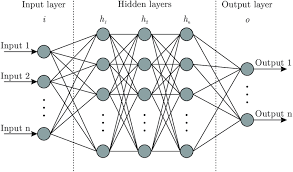
Many modern translation systems rely on neural networks, including transformer-based models. These models learn language patterns from large collections of text, which may include examples of the same content in different languages.
During translation, a system generally performs three connected tasks:
- Processes the input: The text is divided into smaller units, often called tokens, that the model can analyze.
- Evaluates context: The model uses the available text to interpret relationships among words, phrases, and sentences.
- Generates the translation: The system predicts a sequence of words in the target language that fits the source content and the requested style.
Some tools specialize in translation, while others use general-purpose large language models. Depending on the product, users may be able to specify a regional language variant, supply a terminology glossary, or request a formal or conversational tone.
Speech translation often adds speech recognition before translation and speech synthesis afterward. Errors in recognizing the original speech can affect the final result.
Key Benefits of AI Language Translation
Fast Results
AI can translate content quickly, making it useful for time-sensitive communication, initial research, and understanding unfamiliar text. Processing speed varies with the tool, content length, and service capacity.
Support for Multilingual Workflows
Businesses can use AI translation to help prepare product information, internal documentation, support articles, and other content for multiple markets. Automation can reduce repetitive work, while human reviewers focus on meaning, consistency, and audience needs.
Lower Costs for Suitable Tasks
For routine or high-volume content, AI translation can reduce the cost of producing a first draft. Total costs still depend on editing requirements, software fees, formatting, and the consequences of potential mistakes.
Broader Access to Information
Translation tools can help people understand educational materials, public information, and everyday communications that would otherwise be difficult to access. Their usefulness depends on how well the specific language and topic are supported.
Common Uses of AI Translation
- E-commerce: Preparing multilingual product descriptions, FAQs, and customer messages.
- Customer support: Helping support teams understand inquiries and draft replies in other languages.
- Travel: Interpreting signs, menus, directions, and basic conversations.
- Education: Supporting access to learning materials and helping students compare language usage.
- Workplace communication: Translating emails, meeting transcripts, and internal resources.
- Content localization: Creating initial drafts for websites, applications, and marketing materials.
Localization goes beyond translation. It may involve adapting currencies, date formats, measurements, imagery, and cultural references for a particular audience. AI can assist with this work, but local expertise remains valuable.
How Accurate Is AI Language Translation?
There is no single accuracy score that applies to every AI translation tool or situation. A system may perform well on everyday business English and struggle with a regional dialect, a technical manual, or a passage with little context.
Several factors influence translation quality:
- Language pair: Languages with more high-quality training material often receive better support.
- Subject matter: Legal, medical, scientific, and technical content may require specialized terminology.
- Source quality: Unclear writing, spelling errors, and incomplete sentences can introduce mistakes.
- Available context: An isolated sentence may be harder to translate correctly than a complete passage.
- Regional usage: Vocabulary, tone, and conventions can differ across countries that share a language.
Fluent wording is not proof of accuracy. An AI-generated translation can sound natural while omitting a qualification, changing a number, or selecting the wrong meaning of a term.
Limitations and Risks to Consider
Meaning Can Shift
AI may mistranslate negation, confuse who performed an action, or lose an important distinction. These errors can be difficult to detect without comparing the translation against the source.
Cultural Nuance Can Be Missed
Humor, politeness, slogans, and emotional tone do not always transfer directly between languages. Marketing and public-facing content often benefit from review by someone familiar with the target audience.
Terminology May Be Inconsistent
The same term may be translated differently across a document or project. A glossary and style guide can help, but the output should still be checked.
Privacy Requires Attention
Before uploading confidential material, review the provider’s data handling policies. Important considerations include retention periods, whether submitted content may be used for training, access controls, and available contractual protections.
High-Stakes Content Needs Qualified Review
Medical instructions, legal documents, safety procedures, and other consequential materials should not rely on unreviewed AI output. Some uses also require certified translations or compliance with specific professional standards.
AI Translation vs. Human Translation
AI translation is especially useful when speed, scale, and basic comprehension are the priorities. Professional human translation offers judgment, subject-matter expertise, and cultural awareness that automated systems may lack.
A practical option for many projects is machine translation post-editing: AI produces a draft, and a qualified linguist checks and revises it. This approach can be efficient when the initial output is strong enough. When it is poor, translating directly from the source may be faster and more reliable.
The right choice depends on the audience, the purpose of the content, and the cost of an error—not simply the number of words.
How to Get Better AI Translation Results
- Start with clear source text. Use complete sentences, consistent terminology, and straightforward wording.
- Specify the target locale. Identify the relevant regional variety, such as Spanish for Mexico or French for Canada.
- Provide useful context. Explain the audience, subject, and intended use when the tool supports instructions.
- Use a glossary. Define approved translations for product names and specialized terms.
- Check critical details. Verify names, numbers, dates, units, links, and negative statements.
- Review in context. Check translated text in its final layout, especially for websites, apps, and subtitles.
- Match review effort to risk. Use qualified reviewers for important public-facing or high-stakes material.
Translating the result back into the original language can sometimes reveal problems, but it is not a reliable substitute for bilingual review. A second translation may hide or introduce errors.
How to Choose an AI Translation Tool
Evaluate tools using representative samples of the actual content to be translated. A polished demonstration may not reflect performance on specialized terminology, informal messages, or complex documents.
Compare language and locale support, terminology controls, document formatting, privacy protections, integrations, and total cost. For business use, have qualified bilingual reviewers assess whether the output preserves meaning and meets the required quality standard.
The Future of AI Language Translation
AI translation continues to develop across text, speech, images, and video. Areas of active improvement include using longer context, following terminology requirements, and making multilingual conversations more responsive.
Progress will not be uniform across all languages or subjects. Better evaluation, broader language coverage, and responsible handling of sensitive information remain important priorities.
Conclusion
AI language translation makes multilingual communication faster and more accessible. It can support everyday understanding, streamline business workflows, and provide useful first drafts for professional translation projects.
The best results come from treating it as a tool rather than a guarantee. Clear source material, appropriate privacy safeguards, and review matched to the stakes help turn fast output into dependable communication.
7 Tips for Accurate, Secure AI Language Translation
- Choose a translation tool suited to your language pair.
- Provide context for ambiguous words or phrases.
- Keep sentences clear and concise.
- Check names, numbers, and dates carefully.
- Review translations of idioms and cultural references.
- Use a human reviewer for important content.
- Protect sensitive information when using translation tools.
Choose a translation tool suited to your language pair.
Choose a translation tool that performs well with your specific language pair, since accuracy and fluency can vary significantly between languages. A tool that excels at translating English to Spanish may be less reliable for English to Vietnamese, or for regional varieties and specialized terminology. Test a few options with representative text, check how well they preserve meaning and tone, and look for support for the dialect or locale your audience uses.
Provide context for ambiguous words or phrases.
To improve AI translation accuracy, provide context for words or phrases that have multiple meanings. For example, “bank” could refer to a financial institution or the land beside a river. Including the full sentence or a brief explanation helps the translation tool select the intended meaning. Details about the subject, audience, and tone can also help clarify idioms, technical terms, and informal expressions. Instead of submitting an isolated phrase, include enough surrounding text to make its meaning clear.
Keep sentences clear and concise.
For better AI language translation, keep sentences clear and concise. Focus on one main idea per sentence, use familiar words, and avoid unnecessary jargon or complicated phrasing. Make references explicit—for example, replace “Send it to them” with “Send the report to the sales team” when the context is unclear. Shorter sentences can reduce ambiguity, but they should still include the details needed to preserve the intended meaning. Clear source text helps translation tools produce more accurate, natural results.
Check names, numbers, and dates carefully.
Always check names, numbers, and dates carefully when using AI language translation, because even a fluent translation can contain factual errors. Make sure personal names, company names, and place names remain accurate or follow the appropriate local spelling. Verify that prices, percentages, measurements, and other figures retain their original values, paying attention to differences in decimal and thousands separators. Dates also need special care: 03/04/2026 means March 4 in US usage but April 3 in many other countries. Spelling out the month can help prevent confusion. Comparing these details directly with the original text helps catch small mistakes that could cause significant misunderstandings.
Review translations of idioms and cultural references.
Review translations of idioms and cultural references carefully, since AI may translate them literally or miss their intended meaning. Expressions like “break the ice” or “hit it out of the park” often need a local equivalent or a plain-language explanation rather than a word-for-word translation. References to holidays, celebrities, or traditions may also be unfamiliar to the target audience. Whenever possible, ask a fluent speaker familiar with the target culture to check that the translation preserves the original meaning, tone, and intent without causing confusion or unintended offense.
Use a human reviewer for important content.
Use a qualified human reviewer to check AI translations of important content, especially legal documents, medical information, safety instructions, and public-facing materials. AI can produce fluent text while still misinterpreting meaning, omitting details, or using incorrect terminology. A reviewer who understands both languages and the subject matter can catch these errors, confirm that names and numbers are accurate, and adjust the tone for the intended audience. This extra quality check helps ensure the translation communicates the original message accurately and appropriately.
Protect sensitive information when using translation tools.
Protect sensitive information when using AI translation tools by checking how the provider collects, stores, and uses submitted content. Avoid uploading passwords, financial details, medical records, confidential business documents, or other private information unless the service is approved for that purpose and provides appropriate safeguards. Whenever possible, remove or replace identifying details before translating, and review the tool’s data retention policies, training practices, and privacy settings. For sensitive workplace content, use an organization-approved service with suitable security controls and contractual protections rather than assuming a free or paid tool keeps submissions confidential.