AI and Its Understanding of Natural Language
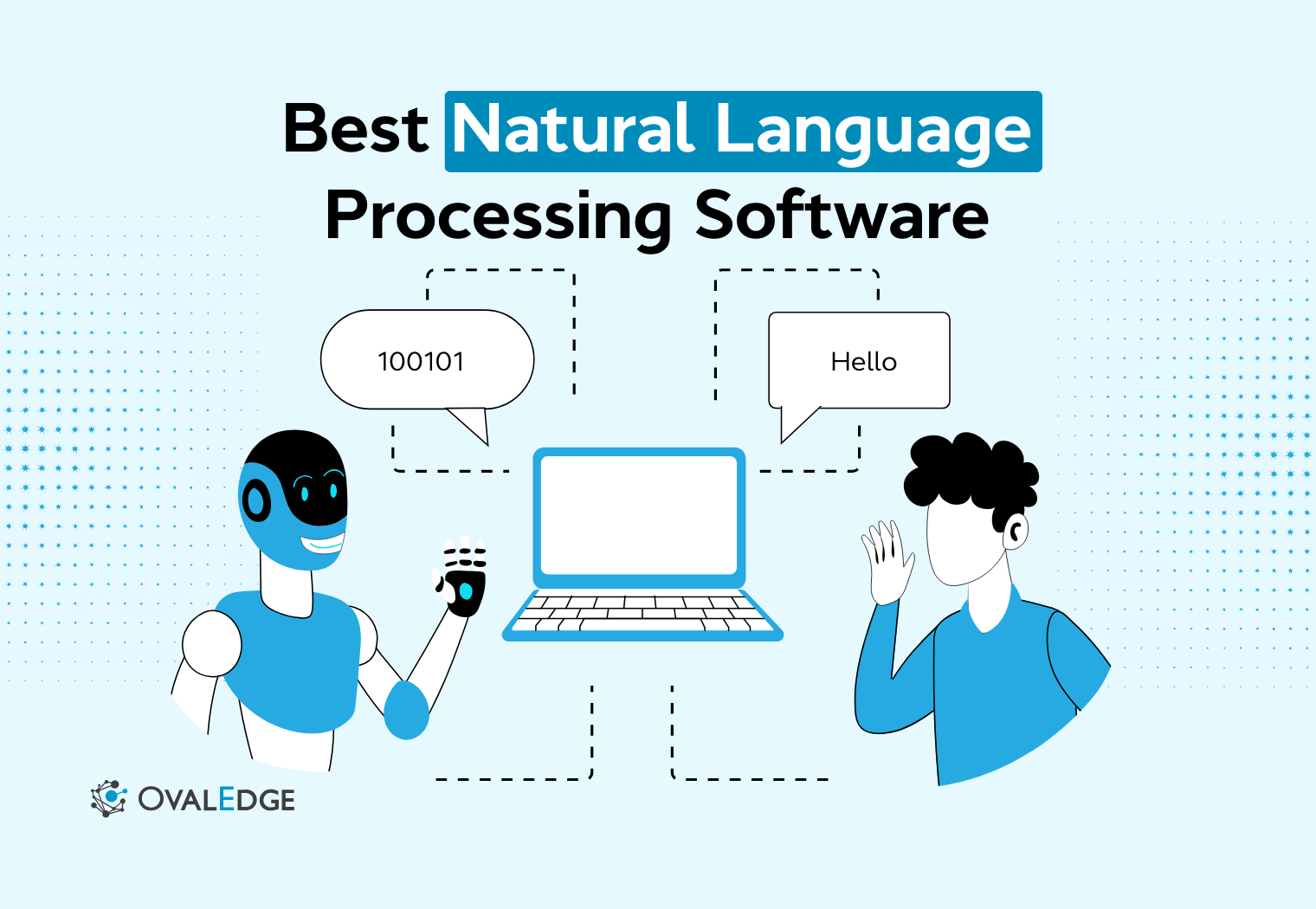
The field of artificial intelligence (AI) has made significant strides in recent years, particularly in the realm of natural language processing (NLP). This technology enables machines to understand, interpret, and respond to human language in a way that is both meaningful and contextually relevant.
What is Natural Language Processing?
Natural Language Processing is a branch of AI that focuses on the interaction between computers and humans through natural language. The ultimate goal of NLP is to enable computers to understand human language as naturally as humans do. This involves various tasks such as speech recognition, sentiment analysis, translation, and more.
The Importance of Context
A critical aspect of understanding natural language is context. Human communication relies heavily on context, which includes tone, intent, cultural nuances, and more. For AI systems to truly grasp natural language, they must be able to interpret these subtleties accurately.
Advancements in AI for NLP
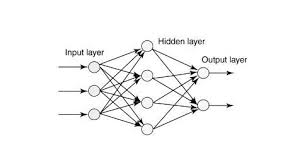
Recent advancements in machine learning and deep learning have significantly improved AI’s ability to understand natural language. Technologies such as neural networks have been instrumental in this progress. These systems can learn from vast amounts of data and recognize patterns that help them predict meanings and generate coherent responses.
- Neural Networks: These are algorithms designed to recognize patterns by mimicking the way human brains operate. They are particularly effective for tasks like translation and sentiment analysis.
- Transformers: A newer architecture that has revolutionized NLP by enabling models like GPT-3 or BERT to process words in relation to all other words in a sentence rather than one-by-one sequentially.
- Pre-trained Models: Models trained on large datasets that can be fine-tuned for specific tasks with relatively small amounts of additional data.
Applications of NLP
The ability for machines to understand natural language opens up numerous applications across various industries:
- Customer Service: AI-powered chatbots can handle customer queries efficiently by understanding questions posed in natural language.
- Healthcare: NLP can assist in analyzing patient records or interpreting medical literature quickly.
- E-commerce: Personalized recommendations based on user reviews or search queries become more accurate with NLP technologies.
- Linguistics Research: Analyzing large corpora for linguistic studies becomes feasible with advanced NLP capabilities.
The Future of AI Understanding Natural Language
The future holds exciting possibilities as AI continues to evolve its understanding of human languages. Researchers are focusing on making these systems even more sophisticated by improving their ability not only at processing text but also at generating it creatively while maintaining factual accuracy. As we move forward, the integration between humans and machines will likely become seamless—leading us toward a world where communication barriers are virtually nonexistent.
Exploring AI’s Mastery of Natural Language: Key Concepts, Challenges, Technologies, and Applications
- What is natural language processing (NLP) in the context of AI?
- How do AI systems understand and interpret human language?
- What are the key challenges faced by AI in understanding natural language?
- What technologies enable AI to process and analyze natural language effectively?
- What are some common applications of AI understanding natural language in real-world scenarios?
What is natural language processing (NLP) in the context of AI?
Natural Language Processing (NLP) in the context of AI refers to the technology that enables computers to understand, interpret, and respond to human language in a way that is both meaningful and useful. It combines computational linguistics with machine learning and deep learning models to process and analyze large amounts of natural language data. NLP allows AI systems to perform tasks such as language translation, sentiment analysis, speech recognition, and text summarization by understanding the nuances of human communication, including context, tone, and intent. This capability is crucial for developing applications like chatbots, virtual assistants, and automated customer service platforms that interact with users in a natural and intuitive manner.
How do AI systems understand and interpret human language?
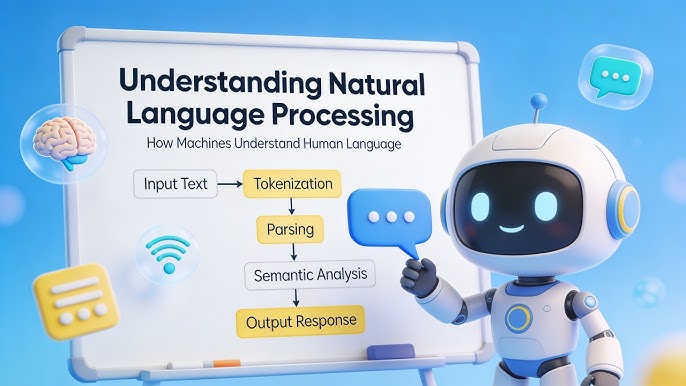
AI systems understand and interpret human language through a combination of natural language processing (NLP) techniques and advanced machine learning algorithms. These systems are designed to analyze and process large volumes of text data, identifying patterns and structures within the language. By leveraging neural networks, particularly models like transformers, AI can grasp the context, semantics, and syntax of sentences. Pre-trained models such as BERT or GPT have been trained on vast datasets to recognize word relationships and predict meanings based on context. This allows AI to not only comprehend text but also generate coherent responses, making interactions with machines more intuitive for users.
What are the key challenges faced by AI in understanding natural language?
AI faces several key challenges in understanding natural language, primarily due to the complexity and nuance inherent in human communication. One major challenge is the ambiguity of language, where words and phrases can have multiple meanings depending on context. Additionally, understanding idiomatic expressions, slang, and cultural references requires a level of contextual awareness that AI systems are still developing. Variability in syntax and grammar across different languages further complicates the task. Moreover, capturing the subtleties of tone, emotion, and intent in spoken or written language is difficult for AI, as these elements often rely on non-verbal cues and shared human experiences. Finally, ensuring that AI systems can process language efficiently while maintaining privacy and security is an ongoing concern as these technologies become more integrated into daily life.
What technologies enable AI to process and analyze natural language effectively?
AI’s ability to process and analyze natural language effectively is powered by a range of advanced technologies. At the forefront are neural networks, which mimic the human brain’s functioning to recognize and predict patterns in language data. Transformers, a breakthrough architecture, allow AI models to consider the context of words in relation to each other, significantly enhancing comprehension and generation capabilities. Pre-trained models like BERT and GPT leverage vast datasets to understand language nuances before being fine-tuned for specific tasks. Additionally, machine learning algorithms enable systems to learn from data continuously, improving their accuracy over time. These technologies collectively drive advancements in natural language processing, making AI more adept at understanding and responding to human communication.
What are some common applications of AI understanding natural language in real-world scenarios?
AI’s ability to understand natural language has led to numerous real-world applications across various industries. In customer service, AI-powered chatbots and virtual assistants handle inquiries and provide support by understanding and responding to customer queries in real time. In the healthcare sector, AI systems analyze patient data and medical literature to assist with diagnostics and treatment recommendations. E-commerce platforms use natural language processing to enhance user experiences by offering personalized recommendations based on customer reviews and search queries. Additionally, in the field of finance, AI algorithms process vast amounts of unstructured data from news articles and reports to provide insights for investment decisions. These applications demonstrate how AI understanding natural language is transforming how businesses operate and interact with their customers.