Understanding NLP Text: The Power of Natural Language Processing
Natural Language Processing (NLP) is a branch of artificial intelligence that focuses on the interaction between computers and human language. In the realm of NLP, text plays a crucial role as it serves as the primary medium through which communication and information are exchanged.
At its core, NLP text involves the analysis and understanding of human language by machines. This process enables computers to interpret, generate, and respond to human language in ways that mimic natural communication. Through the application of various linguistic rules, statistical models, and machine learning algorithms, NLP text processing can extract meaningful insights from textual data.
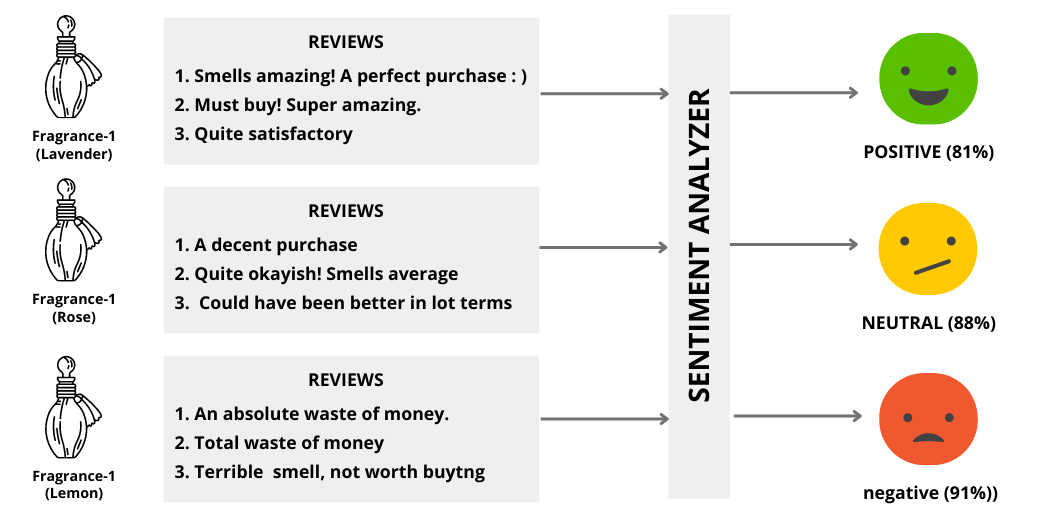
One of the key challenges in NLP text processing is dealing with the ambiguity and complexity inherent in human language. Words can have multiple meanings depending on context, grammar rules can vary across languages, and nuances such as sarcasm and sentiment can be difficult to detect. Despite these challenges, advancements in NLP technology have led to significant breakthroughs in areas such as machine translation, sentiment analysis, chatbots, and information retrieval.
With the increasing volume of textual data generated online every day, NLP text processing has become an indispensable tool for businesses looking to extract valuable insights from text-based sources such as social media posts, customer reviews, emails, and news articles. By leveraging NLP techniques, organizations can automate tasks such as categorizing content, extracting key information, summarizing documents, and identifying trends.
In conclusion, NLP text processing represents a powerful intersection of linguistics, computer science, and artificial intelligence. As technology continues to evolve rapidly in this field, the potential applications of NLP text processing are vast and diverse. From improving search engines to enhancing customer service experiences to enabling cross-lingual communication, the impact of NLP on our digital world is profound.
Understanding NLP Text Processing: Key Concepts, Applications, Challenges, and Business Benefits
- What is NLP text processing?
- How does NLP text processing work?
- What are the applications of NLP in analyzing text data?
- What are the challenges faced in NLP text processing?
- How can businesses benefit from using NLP for analyzing textual data?
What is NLP text processing?
NLP text processing, short for Natural Language Processing text processing, refers to the computational analysis and manipulation of human language by machines. In essence, it involves teaching computers to understand, interpret, and generate human language in a way that mimics natural communication. Through the use of various algorithms and linguistic rules, NLP text processing enables machines to extract valuable insights from textual data, paving the way for applications such as machine translation, sentiment analysis, chatbots, and information retrieval.
How does NLP text processing work?
NLP text processing involves a complex set of algorithms and techniques that enable computers to analyze, understand, and generate human language. At its core, NLP text processing works by breaking down textual data into smaller components, such as words and sentences, and applying various linguistic rules and statistical models to extract meaning and context. Machine learning algorithms play a crucial role in NLP text processing by training models to recognize patterns in language data and make predictions about the meaning of text. Through this combination of linguistic analysis and machine learning, NLP text processing can perform tasks such as sentiment analysis, named entity recognition, language translation, and text summarization with remarkable accuracy and efficiency.
What are the applications of NLP in analyzing text data?
The applications of Natural Language Processing (NLP) in analyzing text data are diverse and impactful. NLP techniques are widely used in sentiment analysis to gauge the emotions and opinions expressed in textual content, enabling businesses to understand customer feedback, social media trends, and market sentiments. NLP also plays a crucial role in information extraction by identifying and extracting key information from large volumes of text, facilitating tasks such as summarization, entity recognition, and event detection. Furthermore, NLP is utilized in machine translation to automatically translate text between languages, making cross-lingual communication more accessible and efficient. Overall, the applications of NLP in analyzing text data are instrumental in enhancing decision-making processes, improving user experiences, and unlocking valuable insights from textual sources.
What are the challenges faced in NLP text processing?
In the realm of NLP text processing, there are several challenges that researchers and developers encounter. One major challenge is the inherent ambiguity and complexity of human language, which can lead to difficulties in accurately interpreting meaning from text. Additionally, variations in grammar rules, idiomatic expressions, and cultural nuances pose obstacles for machines trying to understand and generate natural language. Another common challenge is the need for large amounts of labeled training data to train NLP models effectively, which can be time-consuming and expensive to acquire. Furthermore, handling domain-specific terminology, slang, and evolving language trends adds another layer of complexity to NLP text processing. Despite these challenges, advancements in machine learning algorithms and deep learning techniques continue to push the boundaries of what is possible in NLP text processing.
How can businesses benefit from using NLP for analyzing textual data?
Businesses can benefit significantly from using Natural Language Processing (NLP) for analyzing textual data in various ways. By leveraging NLP technology, businesses can gain valuable insights from large volumes of text data, such as customer reviews, social media posts, emails, and surveys. NLP enables businesses to automate the process of extracting key information, identifying trends, and understanding customer sentiment at scale. This allows companies to make data-driven decisions more efficiently, improve customer experiences, optimize marketing strategies, enhance product development processes, and gain a competitive edge in today’s data-driven marketplace.