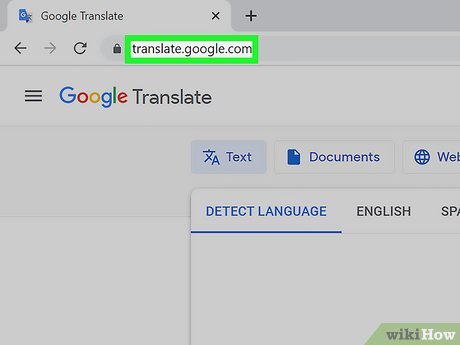
Exploring “James” in Spanish with Google Translate
When it comes to translating names from one language to another, things can get interesting. Let’s take a look at how the name “James” is translated into Spanish using Google Translate.
When you input “James” into Google Translate and select Spanish as the target language, you will see that the translation provided is “Santiago.” This may come as a surprise to some, as “Santiago” may not seem immediately related to “James.”
The reason behind this translation is rooted in historical and linguistic connections. In Spanish-speaking countries, “Santiago” is a common equivalent for the name “James.” This association can be traced back to the fact that Saint James the Greater, one of the apostles of Jesus in Christian tradition, is known as “Santiago” in Spanish.
It’s fascinating to see how names can have different equivalents and meanings across languages and cultures. The use of tools like Google Translate can help us explore these linguistic nuances and deepen our understanding of how names are adapted and interpreted around the world.
In conclusion, next time you come across the name “James” in a Spanish context, remember that it might just be referring to “Santiago.” Language truly has a way of connecting us through its diverse interpretations and translations.
Understanding the Translation of ‘James’ to ‘Santiago’ in Spanish on Google Translate: FAQs and Insights
- What is the Spanish translation of ‘James’ in Google Translate?
- How does Google Translate render ‘James’ into Spanish?
- Why is ‘Santiago’ the translation of ‘James’ in Spanish on Google Translate?
- Is ‘Santiago’ a common equivalent for the name ‘James’ in Spanish-speaking countries?
- What historical and linguistic connections explain the translation of ‘James’ to ‘Santiago’ in Spanish?
What is the Spanish translation of ‘James’ in Google Translate?
One commonly asked question is about the Spanish translation of the name ‘James’ in Google Translate. When users input ‘James’ and select Spanish as the target language, Google Translate provides ‘Santiago’ as the translation. This translation may seem unexpected to some, but it is rooted in historical and linguistic connections. In Spanish-speaking countries, ‘Santiago’ is a common equivalent for the name ‘James,’ a correlation that can be traced back to Saint James the Greater being known as ‘Santiago’ in Spanish tradition. This linguistic nuance highlights how names can have diverse interpretations across languages and cultures, showcasing the intricate interplay between language and history.
How does Google Translate render ‘James’ into Spanish?
When it comes to translating the name ‘James’ into Spanish using Google Translate, the result you will typically see is ‘Santiago.’ This translation might seem unexpected at first glance, but it stems from the historical and cultural associations between the two names. In Spanish-speaking regions, ‘Santiago’ serves as a common equivalent for ‘James,’ drawing from the connection to Saint James the Greater, one of Jesus’s apostles known as ‘Santiago’ in Spanish tradition. This linguistic nuance highlights how names can hold diverse meanings and interpretations across different languages, showcasing the intricate ways in which language bridges cultures and histories.
Why is ‘Santiago’ the translation of ‘James’ in Spanish on Google Translate?
The translation of ‘James’ to ‘Santiago’ in Spanish on Google Translate can be attributed to historical and cultural connections between the two names. In Spanish-speaking countries, ‘Santiago’ is commonly used as the equivalent of ‘James’ due to its association with Saint James the Greater, one of the apostles of Jesus in Christian tradition. This linguistic link reflects how names can carry diverse meanings and interpretations across different languages, highlighting the rich tapestry of connections that exist within global linguistic landscapes.
Is ‘Santiago’ a common equivalent for the name ‘James’ in Spanish-speaking countries?
The question of whether ‘Santiago’ is a common equivalent for the name ‘James’ in Spanish-speaking countries is a popular one that stems from historical and cultural connections. In Spanish-speaking regions, ‘Santiago’ is indeed a widely accepted equivalent for the name ‘James.’ This linguistic association can be attributed to the reverence of Saint James the Greater, known as ‘Santiago’ in Spanish, who holds significant religious importance in Christian tradition. The translation of names across languages often reveals intriguing insights into the interconnectedness of cultures and the diverse ways in which linguistic adaptations occur.
What historical and linguistic connections explain the translation of ‘James’ to ‘Santiago’ in Spanish?
The translation of ‘James’ to ‘Santiago’ in Spanish is rooted in historical and linguistic connections that date back to the Christian tradition. In Spanish-speaking countries, ‘Santiago’ is commonly used as the equivalent of ‘James’ due to its association with Saint James the Greater, one of the apostles of Jesus. The name ‘Santiago’ is derived from the Latin name ‘Jacobus,’ which is also the root of the name ‘James.’ This historical link between the names reflects how language and cultural influences shape the translations of names across different regions and time periods.