The Importance of Certified Translation Services
When it comes to translating important documents, accuracy and reliability are paramount. This is where certified translation services play a crucial role. Certified translations are official translations that are recognized and accepted by government agencies, courts, educational institutions, and other official entities.
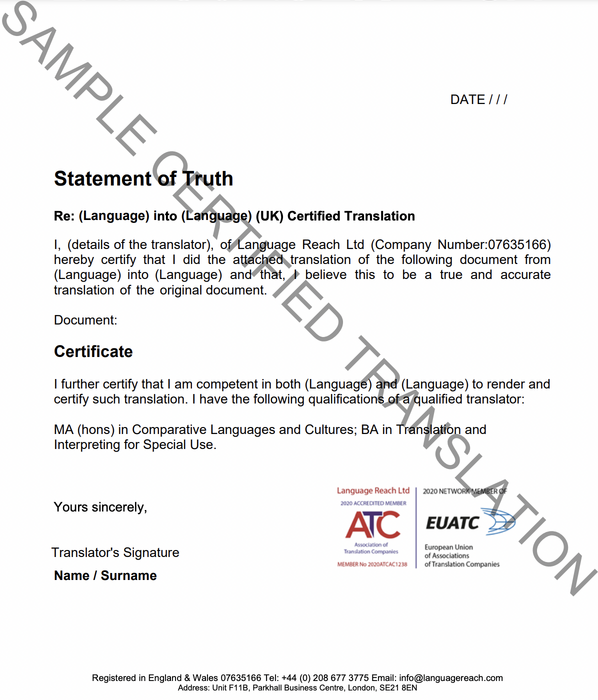
So, what exactly sets certified translations apart from regular translations? Certified translators undergo rigorous training and certification processes to ensure that they have the necessary skills and expertise to produce accurate and reliable translations. Additionally, certified translations often come with a signed statement from the translator or translation agency affirming the accuracy and completeness of the translation.
One of the key benefits of using certified translation services is the assurance of quality and accuracy. Whether you need to translate legal documents, academic transcripts, medical records, or business contracts, certified translators have the specialized knowledge and experience to handle these sensitive materials with precision.
Furthermore, certified translations carry a level of credibility that can be crucial in official proceedings. For example, when submitting documents for immigration purposes or legal matters, having a certified translation can help ensure that your documents are accepted without any issues or delays.
It’s important to note that not all translation services offer certified translations. When choosing a translation provider, make sure to verify that they have certified translators on staff and can provide the necessary certification for your translated documents.
In conclusion, certified translation services play a vital role in ensuring accurate and reliable translations for important documents. By working with certified translators, you can have peace of mind knowing that your translated materials meet the highest standards of quality and authenticity.
Understanding Certified Translation Services: Top 8 FAQs Answered
- What is a certified translation?
- Why do I need a certified translation?
- Who can provide certified translation services?
- How much does a certified translation cost?
- How long does it take to get a certified translation?
- Are all languages eligible for certified translations?
- Can I use a machine translation for certified documents?
- What types of documents typically require certified translations?
What is a certified translation?
A certified translation is a translation of a document that has been verified and attested to be accurate and complete by a professional translator or a translation agency. Certified translations are typically accompanied by a signed statement or certification that confirms the authenticity of the translation and the qualifications of the translator. These translations are often required for official purposes, such as legal proceedings, immigration applications, academic submissions, or business transactions, where accuracy and reliability are paramount. By obtaining a certified translation, individuals can ensure that their documents will be accepted and recognized by relevant authorities and institutions.
Why do I need a certified translation?
When it comes to the question of why you need a certified translation, the answer lies in the importance of accuracy, reliability, and official recognition. Certified translations are essential for documents that require validation by government agencies, courts, educational institutions, and other official entities. By obtaining a certified translation, you ensure that your documents are accurately translated by qualified professionals who have the expertise to handle sensitive materials with precision. This level of certification provides credibility and assurance that your translated documents will be accepted without any issues or delays in official proceedings such as immigration applications or legal matters.
Who can provide certified translation services?
Certified translation services are typically provided by professional translation agencies or individual translators who have undergone specific training and certification processes to ensure the accuracy and reliability of their translations. These certified translators have the expertise and knowledge to handle a wide range of documents, including legal, medical, academic, and business materials. When seeking certified translation services, it is important to choose a reputable provider with a track record of delivering high-quality translations that meet the requirements of official entities such as government agencies, courts, and educational institutions.
How much does a certified translation cost?
The cost of a certified translation can vary depending on several factors, such as the language pair, the complexity of the document, and the turnaround time required. Generally, certified translation services are priced per word or per page, with additional fees for notarization or rush delivery. It’s important to obtain a detailed quote from a reputable translation provider to understand the specific pricing structure and any additional charges that may apply. While cost is a consideration, it’s essential to prioritize quality and accuracy when seeking certified translation services for important documents.
How long does it take to get a certified translation?
The turnaround time for receiving a certified translation can vary depending on several factors, such as the length and complexity of the document, the language pair involved, and the specific requirements of the certification process. In general, most certified translation services aim to provide translations within a few business days to a week. However, expedited services may be available for urgent requests that require a quicker turnaround time. It is advisable to inquire about the estimated delivery time when requesting a certified translation to ensure that it aligns with your timeline and needs.
Are all languages eligible for certified translations?
When it comes to certified translation services, the eligibility of languages for certification can vary depending on the requirements of the receiving authority or organization. While many commonly spoken languages are typically eligible for certified translations, some less common or rare languages may have limited availability of certified translators. It is important to check with the specific entity requesting the translation to ensure that the language in question can be accommodated for certified translation services. Working with a reputable translation agency that offers a wide range of language options can help ensure that you receive accurate and reliable certified translations in the language you need.
Can I use a machine translation for certified documents?
Using a machine translation for certified documents is generally not recommended. Certified translations require a high level of accuracy, precision, and reliability, which may not be guaranteed by machine translation alone. Machine translations lack the human touch and nuanced understanding of languages that certified translators possess. To ensure the authenticity and acceptance of your certified documents, it is advisable to rely on professional certified translation services provided by qualified human translators who have the expertise and knowledge to deliver accurate and reliable translations for official purposes.
What types of documents typically require certified translations?
Certain types of documents typically require certified translations to ensure accuracy and authenticity. Examples of such documents include legal contracts, birth certificates, marriage certificates, academic transcripts, immigration documents, medical records, and official business documents. These types of documents are often used in official or legal settings where precision and reliability are essential. By obtaining certified translations for these documents, individuals and organizations can ensure that the translated content is accurate and accepted by relevant authorities or institutions.