
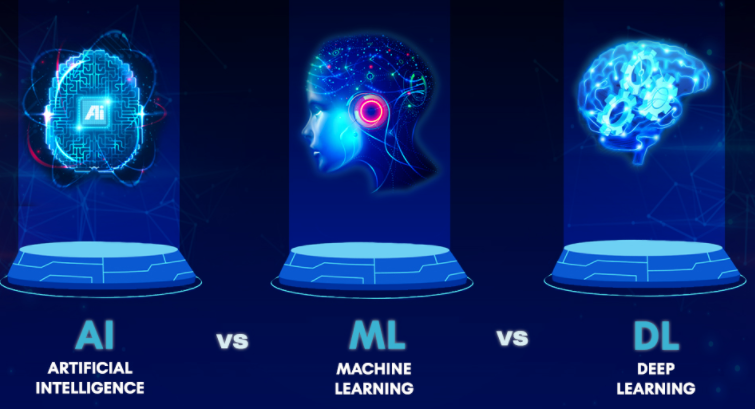
Understanding Artificial Intelligence, Machine Learning, and Deep Learning
The world of technology is rapidly evolving, and at the heart of this evolution are three key concepts: Artificial Intelligence (AI), Machine Learning (ML), and Deep Learning (DL). These technologies are transforming industries, enhancing user experiences, and paving the way for innovations that were once thought to be science fiction.
Artificial Intelligence: The Foundation
Artificial Intelligence refers to the simulation of human intelligence processes by machines, especially computer systems. These processes include learning (the acquisition of information and rules for using the information), reasoning (using rules to reach approximate or definite conclusions), and self-correction. AI can be categorized into two types: narrow AI, which is designed to perform a narrow task (e.g., facial recognition or internet searches), and general AI, which can theoretically handle any cognitive task that a human can.
Machine Learning: A Subset of AI
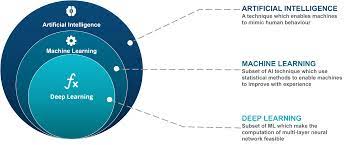
Machine Learning is a subset of AI that focuses on building systems that can learn from data and improve their performance over time without being explicitly programmed. ML algorithms use statistical techniques to enable machines to improve at tasks with experience. There are several types of machine learning:
- Supervised Learning: The algorithm is trained on a labeled dataset, which means that each training example is paired with an output label.
- Unsupervised Learning: The algorithm works with unlabeled data and tries to find hidden patterns or intrinsic structures in the input data.
- Reinforcement Learning: The algorithm learns by interacting with its environment through trial and error to maximize some notion of cumulative reward.
Deep Learning: Diving Deeper into Data
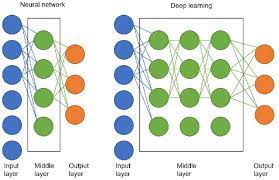
Deep Learning is a specialized field within machine learning that uses neural networks with many layers (deep neural networks) to analyze various factors of data. It mimics the workings of the human brain in processing data for use in decision making. Deep learning has been instrumental in advancing fields such as computer vision, natural language processing, and speech recognition.
The Role of Neural Networks
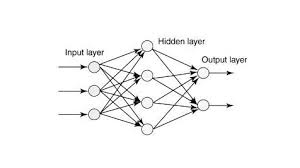
A neural network consists of layers of interconnected nodes where each node represents a neuron similar to those found in a human brain. Each connection between neurons transmits signals from one neuron to another; these signals are multiplied by weights associated with each connection before being sent forward.
The Impact on Industries
The impact of deep learning extends across various industries:
- Healthcare: Improved diagnostic tools through image analysis for detecting diseases such as cancer.
- Automotive: Development of autonomous vehicles capable of navigating complex environments.
- E-commerce: Enhanced recommendation engines that personalize shopping experiences for users.
- Agriculture: Optimization techniques for crop management using predictive analytics based on environmental conditions.
The Future Outlook
The future holds immense potential as these technologies continue to evolve. As computing power increases alongside advancements in algorithms and availability of large datasets, AI will become even more integrated into our daily lives—transforming how we work, communicate, travel—and beyond!
9 Key Questions About AI, Machine Learning, and Deep Learning Answered
- What is artificial intelligence?
- How does machine learning differ from artificial intelligence?
- What are the applications of deep learning?
- Can you explain the concept of neural networks in machine learning?
- What role does data play in training AI models?
- How do AI algorithms learn from data?
- What are some popular deep learning frameworks used by developers?
- Are there ethical concerns surrounding the use of AI and machine learning?
- How can businesses leverage AI, ML, and DL to drive innovation and growth?
What is artificial intelligence?
Artificial Intelligence (AI) refers to the branch of computer science dedicated to creating systems capable of performing tasks that typically require human intelligence. These tasks include problem-solving, understanding language, recognizing patterns, and learning from experience. AI encompasses a wide range of technologies and methodologies, including machine learning and deep learning, which are subsets focused on enabling machines to learn from data. At its core, AI aims to simulate human cognitive processes through algorithms and computational models, allowing machines to make decisions, adapt to new inputs, and improve over time. Whether through virtual assistants like Siri or autonomous vehicles navigating complex environments, AI is increasingly becoming an integral part of everyday life.
How does machine learning differ from artificial intelligence?
When discussing the relationship between machine learning and artificial intelligence, it is important to understand that machine learning is actually a subset of artificial intelligence. Artificial intelligence encompasses a broader concept of creating machines or systems that can perform tasks that typically require human intelligence, such as problem-solving, decision-making, and language understanding. On the other hand, machine learning specifically focuses on developing algorithms and models that allow machines to learn from data and improve their performance over time without being explicitly programmed. In essence, while artificial intelligence aims to create intelligent systems, machine learning provides the tools and techniques to enable machines to learn from experience and data.
What are the applications of deep learning?
One frequently asked question about artificial intelligence, machine learning, and deep learning is: “What are the applications of deep learning?” Deep learning, a subset of machine learning that involves neural networks with multiple layers, has a wide range of applications across various industries. Some common applications include computer vision for image recognition and object detection, natural language processing for speech recognition and language translation, recommendation systems for personalized content suggestions, autonomous vehicles for navigation and decision-making, healthcare for medical image analysis and disease diagnosis, and finance for fraud detection and risk assessment. The versatility of deep learning enables it to revolutionize fields by providing advanced solutions that leverage the power of complex data analysis and pattern recognition.
Can you explain the concept of neural networks in machine learning?
Neural networks play a crucial role in machine learning by mimicking the human brain’s structure and functioning to process complex data and make decisions. In essence, neural networks consist of interconnected layers of nodes, or artificial neurons, that work together to analyze input data, extract patterns, and produce output predictions. Each connection between neurons carries a weighted signal that is adjusted through training to optimize the network’s performance. This concept of neural networks in machine learning forms the foundation for deep learning algorithms, enabling systems to learn from data and improve their accuracy over time without explicit programming.
What role does data play in training AI models?
Data plays a crucial role in training AI models, serving as the foundation upon which these systems learn and make decisions. In machine learning and deep learning, data is used to teach models how to identify patterns, make predictions, and improve their performance over time. The quality and quantity of data directly impact the accuracy and effectiveness of an AI model. High-quality, diverse datasets enable models to generalize well across different scenarios, while insufficient or biased data can lead to inaccurate predictions or biased outcomes. As AI models are exposed to more data during training, they refine their algorithms, becoming more adept at handling complex tasks. Therefore, curating comprehensive datasets is vital for developing robust AI solutions capable of delivering reliable results across various applications.
How do AI algorithms learn from data?
AI algorithms learn from data through a process that involves feeding large amounts of information into a model, which then uses this data to identify patterns and make decisions. In machine learning, this process typically starts with training a model on a dataset where the inputs and outputs are known. The algorithm adjusts its internal parameters based on the difference between its predictions and the actual outcomes, using methods like gradient descent to minimize error. In supervised learning, labeled data guides the algorithm’s learning process, while in unsupervised learning, the algorithm seeks to uncover hidden patterns without explicit guidance. Deep learning takes this further by using neural networks with multiple layers to automatically extract intricate features from raw data, allowing for more complex pattern recognition and decision-making capabilities. Through iterative training and refinement, AI models become increasingly accurate in their predictions and performance over time.
What are some popular deep learning frameworks used by developers?
When it comes to deep learning frameworks, developers have a variety of popular options to choose from. Some of the widely used frameworks in the field of deep learning include TensorFlow, PyTorch, Keras, Caffe, and MXNet. These frameworks provide developers with powerful tools and libraries to build and train neural networks efficiently. Each framework has its own strengths and features, catering to different needs and preferences of developers working on projects involving artificial intelligence, machine learning, and deep learning. By leveraging these frameworks, developers can streamline their development process and create cutting-edge applications that harness the power of deep learning algorithms.
Are there ethical concerns surrounding the use of AI and machine learning?
Yes, there are significant ethical concerns surrounding the use of AI and machine learning. As these technologies become more integrated into various aspects of society, issues such as privacy, bias, and accountability come to the forefront. AI systems often rely on large datasets that may contain sensitive personal information, raising privacy concerns about how data is collected, stored, and used. Additionally, if the data used to train machine learning models is biased or unrepresentative, it can lead to biased outcomes that disproportionately affect certain groups. Accountability is another concern; as AI systems make more autonomous decisions, determining responsibility for those decisions becomes complex. Ensuring transparency in how AI models operate and making ethical considerations a priority in their development are crucial steps in addressing these concerns.
How can businesses leverage AI, ML, and DL to drive innovation and growth?
Businesses can leverage AI, ML, and DL to drive innovation and growth by utilizing these technologies to enhance decision-making processes, improve customer experiences, and streamline operations. AI can automate routine tasks, allowing employees to focus on more strategic activities. Machine learning algorithms can analyze large datasets to uncover insights and trends that were previously inaccessible, enabling companies to make data-driven decisions with greater accuracy. Deep learning can be used for advanced applications like image recognition and natural language processing, which can lead to the development of new products or services tailored to specific customer needs. By integrating these technologies into their operations, businesses can increase efficiency, reduce costs, and create innovative solutions that set them apart from competitors in the market.
Greetings from Idaho! I’m bored to death at work so I decided to
browse your site on my iphone during lunch break. I really
like the information you present here and can’t wait to take a look when I get home.
I’m amazed at how fast your blog loaded on my mobile ..
I’m not even using WIFI, just 3G .. Anyways, superb site!