Exploring Google Translate to Farsi
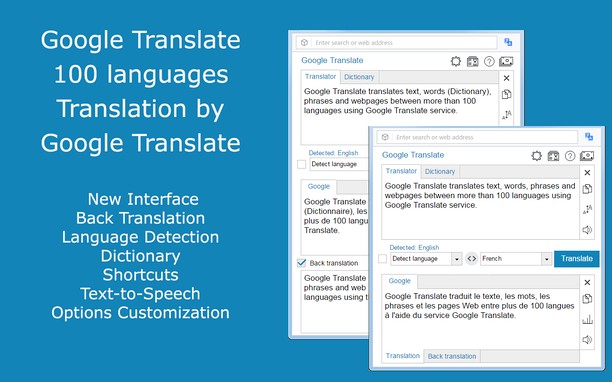
Google Translate is a powerful tool that allows users to translate text, documents, websites, and more between different languages. One of the languages supported by Google Translate is Farsi, also known as Persian. Farsi is spoken by millions of people around the world and is the official language of Iran.
Using Google Translate to convert text from English or any other language to Farsi is simple and convenient. Users can type or paste the text they want to translate into the designated input box, select English as the source language, and then choose Farsi as the target language. Within seconds, Google Translate generates a translation that users can read and understand.
While Google Translate provides a quick and easy way to get the gist of a text in Farsi, it’s important to note that machine translation may not always be 100% accurate. The nuances of language, cultural context, and idiomatic expressions can sometimes pose challenges for automated translation systems.
Despite its limitations, Google Translate remains a valuable tool for communication across language barriers. It can help users grasp the meaning of foreign texts, communicate with speakers of other languages, and navigate multilingual environments with greater ease.
Whether you’re a student looking to understand Farsi texts for research purposes, a traveler seeking assistance in Iran, or a business professional communicating with Persian-speaking clients, Google Translate can be a useful ally in bridging linguistic divides.
In conclusion, Google Translate’s support for translating text to Farsi opens up new possibilities for cross-cultural communication and collaboration. By leveraging this technology responsibly and supplementing it with human expertise when needed, users can harness the power of machine translation to connect with others in meaningful ways.
6 Tips for Accurate Translation to Farsi Using Google Translate
- Ensure the text is clear and concise for accurate translation.
- Be cautious with idiomatic expressions and slang as they may not translate accurately.
- Double-check important information after translation for accuracy.
- Use simple sentence structures for better results.
- Avoid using complex technical terms that may not have direct translations.
- Consider cultural nuances when translating to Farsi for more accurate communication.
Ensure the text is clear and concise for accurate translation.
To maximize the accuracy of translation when using Google Translate to convert text to Farsi, it is essential to ensure that the original text is clear and concise. Clear and straightforward language helps the translation engine process the content more effectively, resulting in a more accurate and coherent translation output. By avoiding complex sentences, ambiguous phrases, or excessive jargon, users can enhance the quality of their translations and facilitate better communication across language barriers.
Be cautious with idiomatic expressions and slang as they may not translate accurately.
When using Google Translate to convert text to Farsi, it is important to exercise caution with idiomatic expressions and slang, as they may not translate accurately. Machine translation systems like Google Translate may struggle to capture the nuances and cultural context of such language elements, potentially leading to misunderstandings or inaccuracies in the translated text. To ensure clear and precise communication, it is advisable to avoid relying solely on automated translations for conveying idiomatic expressions and slang in Farsi.
Double-check important information after translation for accuracy.
It is essential to double-check important information after using Google Translate to convert it into Farsi to ensure accuracy. While Google Translate can provide a quick and convenient translation, it may not always capture the nuances or specific details accurately. By verifying the translated text against the original content, you can catch any potential errors or misunderstandings that could impact the meaning or clarity of the information. Taking this extra step can help you communicate effectively and confidently when sharing important details in Farsi.
Use simple sentence structures for better results.
When using Google Translate to convert text to Farsi, it is recommended to use simple sentence structures for more accurate and reliable results. Simple sentences are easier for the translation system to process and interpret, leading to clearer and more understandable translations in Farsi. By keeping your sentences straightforward and concise, you can enhance the quality of the translated text and improve overall communication effectiveness when using Google Translate for Farsi translations.
Avoid using complex technical terms that may not have direct translations.
When utilizing Google Translate to convert text into Farsi, it is advisable to steer clear of employing intricate technical terms that may lack direct equivalents in the target language. By avoiding such complexities, users can enhance the accuracy and clarity of their translations, ensuring that the intended message is effectively conveyed in Farsi without the risk of misinterpretation or confusion.
Consider cultural nuances when translating to Farsi for more accurate communication.
When using Google Translate to convert text to Farsi, it is essential to consider cultural nuances to ensure more accurate communication. Cultural context plays a significant role in language usage, and being mindful of these nuances can help convey the intended message effectively. By taking into account cultural sensitivities, idiomatic expressions, and social norms specific to the Farsi-speaking community, users can enhance the quality and relevance of their translations. Embracing cultural awareness not only improves the accuracy of communication but also fosters deeper connections and mutual understanding across linguistic boundaries.