Understanding NLP: The Backbone of AI Communication
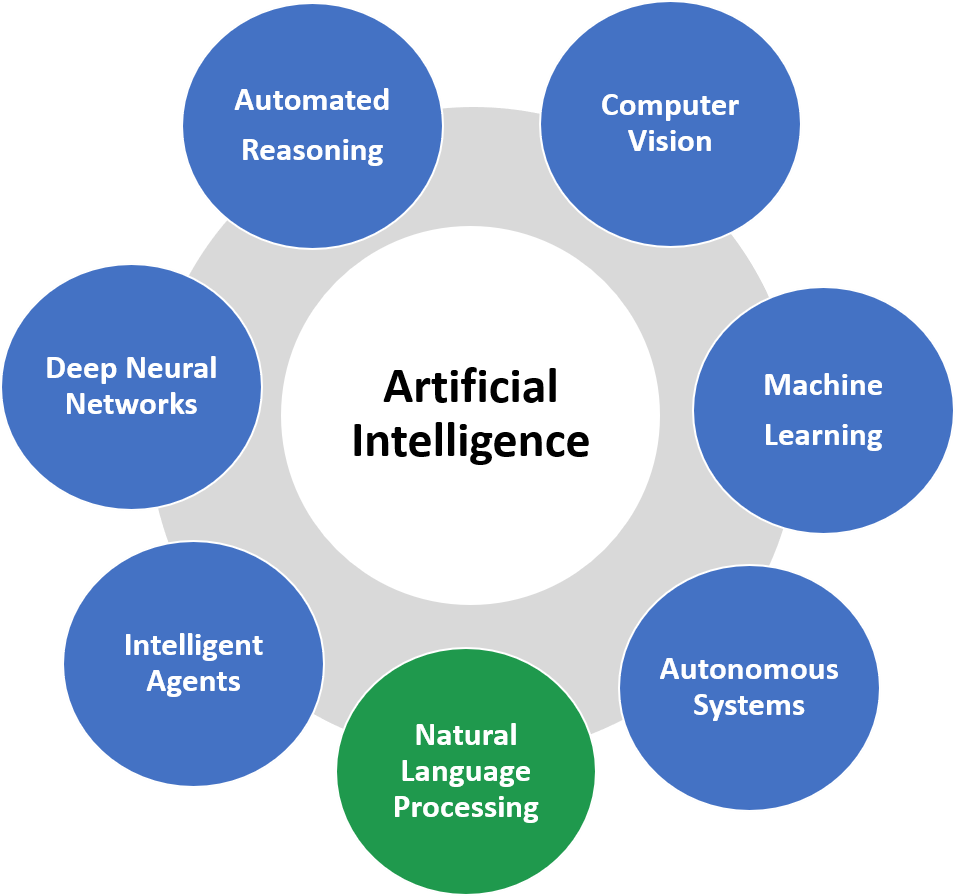
Natural Language Processing (NLP) is a critical component in the realm of artificial intelligence, enabling machines to understand, interpret, and respond to human language. As AI continues to evolve, NLP plays an increasingly vital role in bridging the communication gap between humans and machines.
What is NLP?
NLP stands for Natural Language Processing, a branch of AI that focuses on the interaction between computers and humans through natural language. The ultimate goal of NLP is to enable computers to understand human language in a way that is both meaningful and useful.
The Importance of NLP in AI
NLP is essential for creating systems that can understand and generate human language. From virtual assistants like Siri and Alexa to sophisticated chatbots used in customer service, NLP allows machines to process large amounts of natural language data efficiently.
- Text Analysis: NLP helps in analyzing text data by breaking it down into understandable components for sentiment analysis, topic detection, and more.
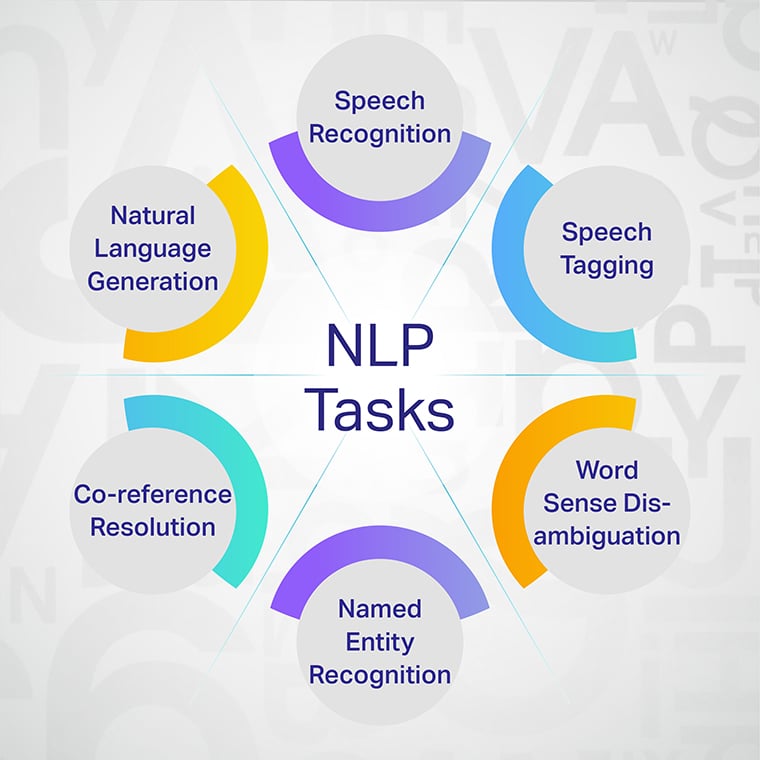
- Speech Recognition: Converting spoken language into text is a complex task that relies heavily on NLP algorithms.
- Machine Translation: Translating text from one language to another requires deep understanding and context awareness provided by NLP.
How Does NLP Work?
NLP involves several processes including tokenization, parsing, semantic analysis, and more. These processes help break down human language into smaller parts so that machines can analyze them effectively:
- Tokenization: Splitting text into words or phrases.
- Lemmatization: Reducing words to their base or root form.
- Syntactic Analysis: Understanding the grammatical structure of sentences.
- Semantic Analysis: Extracting meaning from text by understanding context and relationships between words.
The Challenges of NLP
NLP faces several challenges due to the complexity and variability of human language. These include handling ambiguity, understanding context, managing diverse dialects, and processing idiomatic expressions. Despite these challenges, advancements in machine learning have significantly improved the accuracy and efficiency of NLP systems.
The Future of NLP
The future of NLP looks promising as AI technologies continue to advance. With improvements in deep learning models like transformers (e.g., BERT, GPT), we can expect even more sophisticated applications capable of understanding nuances in human communication. As these technologies develop further, they will unlock new possibilities for seamless interaction between humans and machines across various industries.
NLP continues to be a driving force behind many AI innovations today. Its ability to process natural language effectively opens up endless opportunities for enhancing user experiences across different platforms worldwide.
Exploring NLP in AI: Key Concepts, Challenges, and Innovations
- What is NLP and how does it relate to AI?
- How does NLP help machines understand human language?
- What are the key applications of NLP in artificial intelligence?
- What are the main challenges faced by NLP in AI development?
- How does tokenization work in natural language processing?
- Can NLP systems accurately interpret context and semantics in text data?
- What role does machine learning play in enhancing NLP capabilities for AI?
- Are there limitations to current NLP technologies when applied to complex languages or dialects?
- How is deep learning revolutionizing the field of natural language processing for AI?
What is NLP and how does it relate to AI?
Natural Language Processing (NLP) is a subfield of artificial intelligence (AI) that focuses on enabling computers to understand, interpret, and respond to human language in a way that is both meaningful and useful. It bridges the gap between human communication and machine understanding, allowing AI systems to process and analyze large amounts of natural language data. By leveraging techniques from computational linguistics and machine learning, NLP enables applications such as speech recognition, sentiment analysis, language translation, and chatbots. In essence, NLP is crucial for developing AI systems that can interact with humans naturally and intuitively, making technology more accessible and effective in everyday tasks.
How does NLP help machines understand human language?
Natural Language Processing (NLP) plays a crucial role in helping machines understand human language by providing them with the ability to analyze, interpret, and respond to text and speech data in a way that mimics human comprehension. Through various NLP techniques such as tokenization, syntactic analysis, semantic analysis, and machine learning algorithms, machines can break down complex language structures, extract meaning from context, and recognize patterns in human communication. By processing natural language data efficiently, NLP enables machines to comprehend the subtleties of human language, including nuances, idiomatic expressions, and variations in dialects, ultimately bridging the gap between humans and machines in communication and interaction.
What are the key applications of NLP in artificial intelligence?
Natural Language Processing (NLP) in artificial intelligence has a wide range of key applications that are transforming how machines interact with human language. One of the most prominent applications is in virtual assistants like Siri, Alexa, and Google Assistant, which rely on NLP to understand and respond to voice commands. In customer service, chatbots use NLP to provide instant support by interpreting user queries and generating relevant responses. Additionally, NLP plays a crucial role in sentiment analysis, helping businesses gauge public opinion by analyzing social media posts and reviews. Machine translation services, such as Google Translate, leverage NLP to convert text from one language to another accurately. Furthermore, NLP is used in text analytics for extracting meaningful insights from large volumes of unstructured data, making it invaluable for fields like market research and healthcare. These applications demonstrate the versatility of NLP in enhancing machine understanding and interaction with human language across various sectors.
What are the main challenges faced by NLP in AI development?
One of the main challenges faced by NLP in AI development is the inherent complexity and variability of human language. This includes dealing with ambiguity, where a word or phrase can have multiple meanings depending on the context, as well as understanding idiomatic expressions and slang that do not translate directly across languages. Additionally, NLP systems must contend with diverse dialects and accents, which can significantly impact speech recognition accuracy. Another significant challenge is capturing the nuances of sentiment and emotion in text or speech, which requires a deep understanding of context and cultural subtleties. Moreover, the vast amount of unstructured data available necessitates advanced algorithms to process and analyze information efficiently while maintaining accuracy. As AI continues to evolve, addressing these challenges is crucial for developing more sophisticated and human-like language processing capabilities.
How does tokenization work in natural language processing?
Tokenization in natural language processing (NLP) is a fundamental process that involves breaking down text into smaller units, such as words, phrases, or symbols, known as tokens. This technique plays a crucial role in NLP by providing machines with a structured way to analyze and understand human language. During tokenization, the text is scanned and divided based on specific rules, such as whitespace or punctuation marks, to create individual tokens. By breaking down the text into these manageable units, tokenization enables NLP algorithms to perform tasks like sentiment analysis, part-of-speech tagging, and named entity recognition more effectively.
Can NLP systems accurately interpret context and semantics in text data?
The question of whether NLP systems can accurately interpret context and semantics in text data is a common inquiry in the field of artificial intelligence. NLP systems have made significant advancements in recent years, utilizing sophisticated algorithms and neural networks to analyze and understand the nuances of human language. While challenges such as ambiguity and context variability still exist, modern NLP technologies have shown remarkable capabilities in interpreting context and semantics in text data. Through processes like syntactic and semantic analysis, NLP systems can extract meaning from text, identify relationships between words, and grasp the underlying context of a given piece of content with increasing accuracy. These advancements continue to push the boundaries of what is possible in natural language processing, paving the way for more effective communication between humans and machines.
What role does machine learning play in enhancing NLP capabilities for AI?
Machine learning plays a crucial role in enhancing Natural Language Processing (NLP) capabilities for artificial intelligence by enabling systems to learn from data and improve their performance over time. Through machine learning algorithms, NLP models can analyze vast amounts of text data, identify patterns, and make predictions based on the information they have processed. This iterative process allows NLP systems to continuously refine their understanding of language nuances, context, and semantics, ultimately leading to more accurate and efficient communication between humans and machines in various applications such as chatbots, sentiment analysis, text summarization, and machine translation.
Are there limitations to current NLP technologies when applied to complex languages or dialects?
When it comes to applying current NLP technologies to complex languages or dialects, there are indeed limitations that need to be considered. One of the main challenges is the diversity and nuances present in different languages and dialects, which can make it difficult for NLP systems to accurately interpret and process the intricacies of these variations. Issues such as lack of training data, cultural context, and linguistic differences can impact the performance of NLP models when dealing with complex languages or dialects. As a result, further research and development are needed to enhance the capabilities of NLP technologies in order to effectively handle the complexities of diverse linguistic landscapes.
How is deep learning revolutionizing the field of natural language processing for AI?
Deep learning is revolutionizing the field of natural language processing (NLP) for AI by enabling more sophisticated and accurate understanding of human language. Unlike traditional NLP methods that relied heavily on hand-crafted features and rule-based systems, deep learning leverages neural networks to automatically learn representations from vast amounts of data. This approach allows models to capture complex patterns and nuances in language, leading to significant improvements in tasks such as machine translation, sentiment analysis, and text generation. Innovations like transformer architectures, exemplified by models such as BERT and GPT, have pushed the boundaries of what NLP systems can achieve by providing contextualized word embeddings that understand the relationships between words in a given context. As a result, deep learning has paved the way for more natural and effective human-computer interactions across various applications.