Exploring the Intersection of NLP, AI, and ML: Revolutionizing Communication and Understanding
In recent years, the fields of Natural Language Processing (NLP), Artificial Intelligence (AI), and Machine Learning (ML) have seen remarkable advancements. These technologies are transforming how humans interact with machines, enabling more intuitive and meaningful communication. This article delves into how these interconnected domains are shaping the future of technology.
Understanding NLP, AI, and ML
Natural Language Processing (NLP) is a subfield of AI focused on enabling machines to understand, interpret, and generate human language. It encompasses various tasks such as language translation, sentiment analysis, and speech recognition.
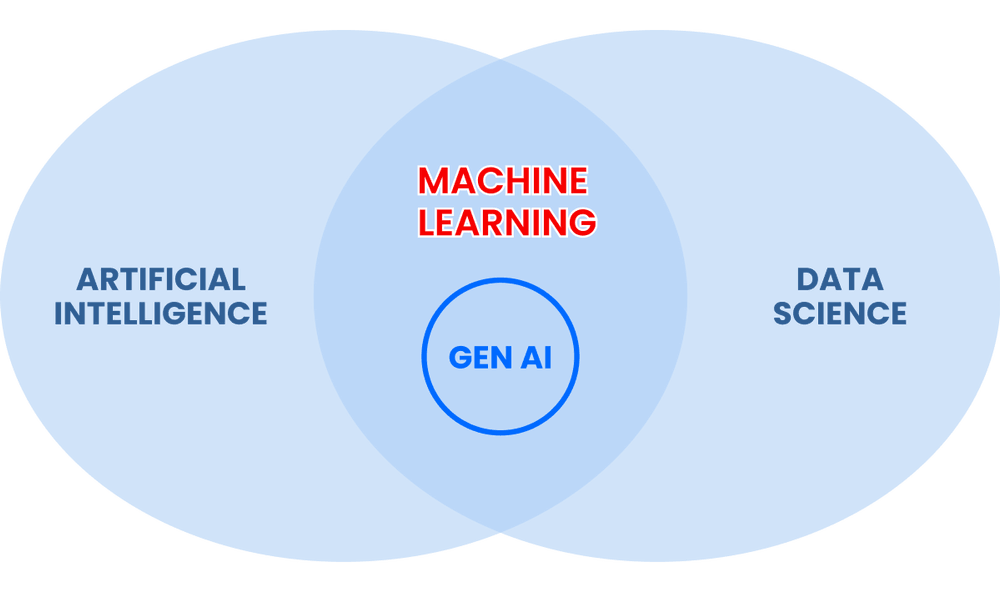
Artificial Intelligence (AI) refers to the simulation of human intelligence in machines. AI systems are designed to perform tasks that typically require human intelligence, such as problem-solving, learning from experience, and adapting to new information.
Machine Learning (ML) is a subset of AI that involves training algorithms to learn from data. ML models improve over time as they are exposed to more data, making them capable of making predictions or decisions without being explicitly programmed for specific tasks.
The Synergy Between NLP, AI, and ML
The integration of NLP with AI and ML has led to groundbreaking innovations in various sectors:
- Enhanced Communication: NLP-powered chatbots and virtual assistants like Siri and Alexa use AI and ML to understand user queries and provide relevant responses. These tools are becoming increasingly sophisticated in handling complex interactions.
- Improved Accessibility: Speech-to-text applications utilize NLP algorithms to transcribe spoken language into text accurately. This technology aids individuals with hearing impairments by providing real-time captions.
- Advanced Translation Services: Machine translation systems leverage NLP techniques combined with deep learning models to offer accurate translations across multiple languages. This fosters global communication by breaking down language barriers.
The Future Impact
The convergence of NLP, AI, and ML holds immense potential for future developments:
- Personalized User Experiences: As these technologies evolve, they will enable more personalized interactions between users and digital platforms. This could revolutionize industries like e-commerce by offering tailored recommendations based on individual preferences.
- NLP in Healthcare: In the medical field, NLP can assist in analyzing patient data from electronic health records or research papers rapidly. This could lead to quicker diagnoses or identification of treatment options for complex conditions.
- Sustainable Development: By analyzing vast amounts of environmental data efficiently through machine learning algorithms combined with natural language processing capabilities; decision-makers can develop strategies for sustainable resource management effectively.
Conclusion
The intersection between Natural Language Processing (NLP), Artificial Intelligence (AI), and Machine Learning (ML) is reshaping our world by enhancing communication channels while driving innovation across diverse industries—from healthcare solutions improving patient outcomes through timely insights derived from vast datasets—to creating seamless global interactions via advanced translation services breaking down linguistic barriers worldwide! As we continue exploring this dynamic trio’s possibilities further—exciting new applications await discovery!
Understanding the Relationship Between NLP, AI, and Machine Learning: Answers to Common Questions
- Is NLP machine learning or AI?
- Is Chatgpt llm or NLP?
- What is NLP in machine learning?
- What is AI ML and NLP?
- What is AI, ML, and NLP?
- What is NLP in AI?
Is NLP machine learning or AI?
Natural Language Processing (NLP) is a crucial component within the broader fields of Artificial Intelligence (AI) and Machine Learning (ML). While NLP itself is not synonymous with AI or ML, it leverages techniques from both areas to function effectively. As a subfield of AI, NLP focuses on enabling machines to understand, interpret, and generate human language. It often utilizes machine learning algorithms to improve its capabilities in tasks like language translation, sentiment analysis, and speech recognition. In essence, NLP uses AI principles to simulate human-like understanding of language and employs ML models to enhance its accuracy and efficiency over time. Thus, NLP acts as a bridge between linguistic data and intelligent machine processing.
Is Chatgpt llm or NLP?
ChatGPT is a sophisticated example of both a large language model (LLM) and an application of Natural Language Processing (NLP). As an LLM, it is built on advanced machine learning techniques that enable it to understand and generate human-like text based on input prompts. This involves training on vast amounts of data to predict the next word in a sentence, thereby creating coherent and contextually relevant responses. Simultaneously, ChatGPT exemplifies NLP by performing tasks such as language understanding, text generation, and conversation management. In essence, while ChatGPT is driven by the underlying principles of LLMs, its practical functionality and interaction capabilities fall squarely within the realm of NLP applications.
What is NLP in machine learning?
In the realm of machine learning, NLP stands for Natural Language Processing. NLP is a branch of artificial intelligence that focuses on enabling computers to understand, interpret, and generate human language in a way that is both meaningful and contextually relevant. Through the application of algorithms and linguistic rules, NLP allows machines to analyze and derive insights from text data, enabling tasks such as language translation, sentiment analysis, speech recognition, and text summarization. This integration of NLP within machine learning systems plays a crucial role in revolutionizing communication between humans and machines, paving the way for more intuitive interactions and personalized user experiences.
What is AI ML and NLP?
AI, ML, and NLP are interconnected fields that play a pivotal role in modern technology. Artificial Intelligence (AI) is the overarching discipline that focuses on creating machines capable of performing tasks that typically require human intelligence, such as decision-making and problem-solving. Machine Learning (ML), a subset of AI, involves developing algorithms that allow computers to learn from data and improve their performance over time without being explicitly programmed for specific tasks. Natural Language Processing (NLP) is another subfield of AI that concentrates on enabling machines to understand, interpret, and generate human language. By combining these technologies, developers can create systems that interact more naturally with humans, offering applications like virtual assistants, language translation services, and sentiment analysis tools.
What is AI, ML, and NLP?
AI, or Artificial Intelligence, refers to the simulation of human intelligence in machines that are designed to think and learn like humans. It encompasses a wide range of technologies and applications, from simple automation to complex problem-solving systems. Machine Learning (ML) is a subset of AI that focuses on the development of algorithms that allow computers to learn from and make decisions based on data. ML models improve their performance over time as they are exposed to more data without explicit programming for specific tasks. Natural Language Processing (NLP) is another subfield of AI that deals with the interaction between computers and humans through natural language. It involves enabling machines to understand, interpret, and generate human language, facilitating tasks such as language translation, sentiment analysis, and speech recognition. Together, these technologies are transforming how we interact with machines and process information across various domains.
What is NLP in AI?
Natural Language Processing (NLP) in Artificial Intelligence (AI) is a crucial technology that enables machines to understand, interpret, and generate human language. It bridges the gap between human communication and computer understanding by allowing computers to process and analyze large amounts of natural language data. NLP encompasses a wide range of applications, including language translation, sentiment analysis, speech recognition, and text summarization. By leveraging advanced algorithms and machine learning models, NLP systems can decipher context, detect nuances in language, and respond intelligently to human inputs. This capability not only enhances user interactions with technology but also powers various AI-driven solutions across industries such as customer service, healthcare, and education.