The Power of NLP in Speech Recognition
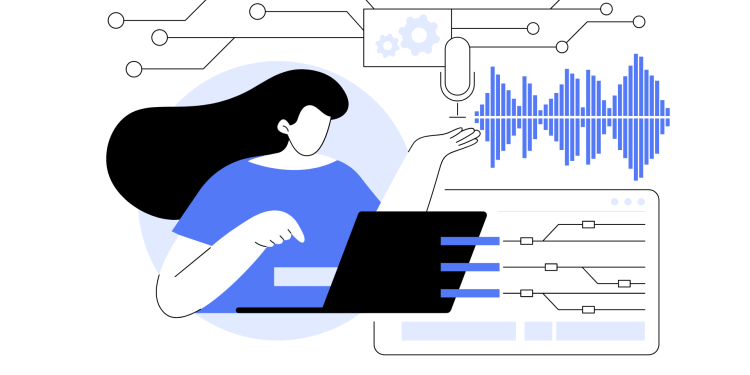
Speech recognition technology has made significant advancements in recent years, thanks to the integration of Natural Language Processing (NLP). NLP is a branch of artificial intelligence that focuses on enabling computers to understand, interpret, and generate human language.
By incorporating NLP into speech recognition systems, machines are able to not only transcribe spoken words accurately but also comprehend the context and meaning behind them. This has revolutionized the way we interact with technology, making voice commands more intuitive and natural.
One of the key benefits of NLP in speech recognition is its ability to improve accuracy and efficiency. By analyzing patterns in language usage and context, NLP algorithms can better predict and interpret spoken words, even in noisy environments or with accents.
Furthermore, NLP allows for more personalized and adaptive speech recognition systems. By learning from user interactions and feedback, these systems can continuously improve their performance and tailor responses to individual preferences.
Another important application of NLP in speech recognition is its role in multilingual communication. With the ability to process multiple languages and dialects, NLP-powered systems enable seamless translation and interpretation services, breaking down language barriers and fostering global connectivity.
Overall, the integration of NLP into speech recognition technology has opened up new possibilities for enhancing human-machine interactions. As this field continues to evolve, we can expect even more sophisticated and intelligent speech recognition systems that further blur the lines between man and machine.
9 Essential Tips for Enhancing NLP Speech Recognition Accuracy
- 1. Use clear and concise language in your speech for better NLP processing.
- 2. Consider the context of the conversation to improve speech recognition accuracy.
- 3. Speak at a moderate pace to help NLP systems accurately transcribe your words.
- 4. Minimize background noise when speaking to enhance audio quality for NLP algorithms.
- 5. Avoid using complex jargon or slang that may be difficult for NLP models to interpret.
- 6. Enunciate words clearly and pronounce them correctly for more accurate transcription results.
- 7. Provide proper punctuation cues while speaking to assist in generating coherent text output.
- 8. Use appropriate intonation and emphasis to convey meaning effectively through speech for NLP analysis.
- 9. Regularly update and calibrate your speech recognition software for optimal performance.
1. Use clear and concise language in your speech for better NLP processing.
Using clear and concise language in your speech is crucial for optimal Natural Language Processing (NLP) processing. When you articulate your thoughts in a straightforward manner, NLP algorithms can more accurately analyze and interpret the meaning behind your words. By avoiding ambiguity and unnecessary complexity, you help NLP systems effectively understand and respond to your input, leading to improved communication and interaction with technology.
2. Consider the context of the conversation to improve speech recognition accuracy.
Considering the context of the conversation is a crucial tip to enhance speech recognition accuracy in Natural Language Processing (NLP). By analyzing the surrounding context, such as the topic being discussed, previous dialogue, or environmental factors, NLP systems can better interpret and transcribe spoken words with greater precision. This contextual understanding allows for more accurate recognition of words and phrases, ultimately improving the overall performance and user experience of speech recognition technology.
3. Speak at a moderate pace to help NLP systems accurately transcribe your words.
Speaking at a moderate pace is a valuable tip when using NLP systems for accurate transcription of your words. By speaking neither too fast nor too slow, you allow the system to capture and process the information more effectively, leading to more precise transcriptions. This moderate pace helps NLP algorithms analyze and interpret your speech patterns with greater accuracy, ultimately improving the overall performance of the system in capturing and understanding your spoken words.
4. Minimize background noise when speaking to enhance audio quality for NLP algorithms.
To optimize the performance of NLP algorithms in speech recognition, it is essential to minimize background noise when speaking. By reducing ambient noise levels, the audio quality captured by the system improves significantly, allowing NLP algorithms to more accurately transcribe and interpret spoken words. This simple tip can enhance the overall effectiveness of speech recognition systems, enabling them to better understand and process user input in various environments.
5. Avoid using complex jargon or slang that may be difficult for NLP models to interpret.
When working with NLP speech technology, it is advisable to avoid incorporating complex jargon or slang that could pose challenges for the models to interpret accurately. By using clear and straightforward language, users can enhance the effectiveness of NLP systems in understanding and processing spoken input. Simplifying the vocabulary and avoiding obscure terms can help ensure smoother communication and more reliable outcomes in speech recognition tasks.
6. Enunciate words clearly and pronounce them correctly for more accurate transcription results.
To achieve more accurate transcription results when using NLP speech technology, it is crucial to enunciate words clearly and pronounce them correctly. By articulating each word distinctly and accurately, the speech recognition system can better identify and transcribe the intended words with higher precision. Clear enunciation helps the system differentiate between similar-sounding words and reduces the chances of errors in transcription. Therefore, paying attention to pronunciation and clarity in speech can significantly enhance the accuracy and effectiveness of NLP-based transcription processes.
7. Provide proper punctuation cues while speaking to assist in generating coherent text output.
Providing proper punctuation cues while speaking is a crucial tip in NLP speech technology. By incorporating natural pauses and intonations that signal punctuation marks such as periods, commas, and question marks, users can assist the system in generating more coherent and accurate text output. These cues help convey the intended meaning and structure of the spoken content, enabling the NLP system to transcribe and interpret the speech with greater clarity and precision. This attention to punctuation not only enhances the overall quality of the transcription but also improves the user experience by ensuring that the output reflects the nuances of spoken language effectively.
8. Use appropriate intonation and emphasis to convey meaning effectively through speech for NLP analysis.
Using appropriate intonation and emphasis is crucial when it comes to conveying meaning effectively through speech for NLP analysis. By varying the pitch, stress, and rhythm in your speech, you can help NLP systems better understand the context and emotions behind the words being spoken. Intonation and emphasis play a significant role in highlighting key points, expressing emotions, and indicating the intended tone of the message. Incorporating these elements not only improves the accuracy of speech recognition but also enhances the overall effectiveness of communication with NLP-powered systems.
9. Regularly update and calibrate your speech recognition software for optimal performance.
To ensure optimal performance of your speech recognition software, it is crucial to regularly update and calibrate the system. By staying up to date with the latest software updates and improvements, you can enhance accuracy, efficiency, and overall user experience. Calibration helps fine-tune the system to better adapt to your voice patterns, accents, and environmental factors, resulting in more precise transcription and interpretation of spoken words. Regular maintenance and calibration are key steps in maximizing the effectiveness of NLP-powered speech recognition technology.