Translating content into Sindhi: A Gateway to Reach a Wider Audience
Language is a powerful tool that connects people across borders and cultures. In today’s globalized world, the ability to communicate effectively in multiple languages is essential for reaching a diverse audience and expanding your reach. One such language that holds significance is Sindhi, spoken by millions of people primarily in the Sindh province of Pakistan and parts of India.
Translating content into Sindhi opens up a world of opportunities to connect with the Sindhi-speaking community, share information, and promote cultural exchange. Whether you are a business looking to tap into new markets, a content creator aiming to reach a wider audience, or an individual seeking to connect with your roots, translating your content into Sindhi can be a valuable asset.
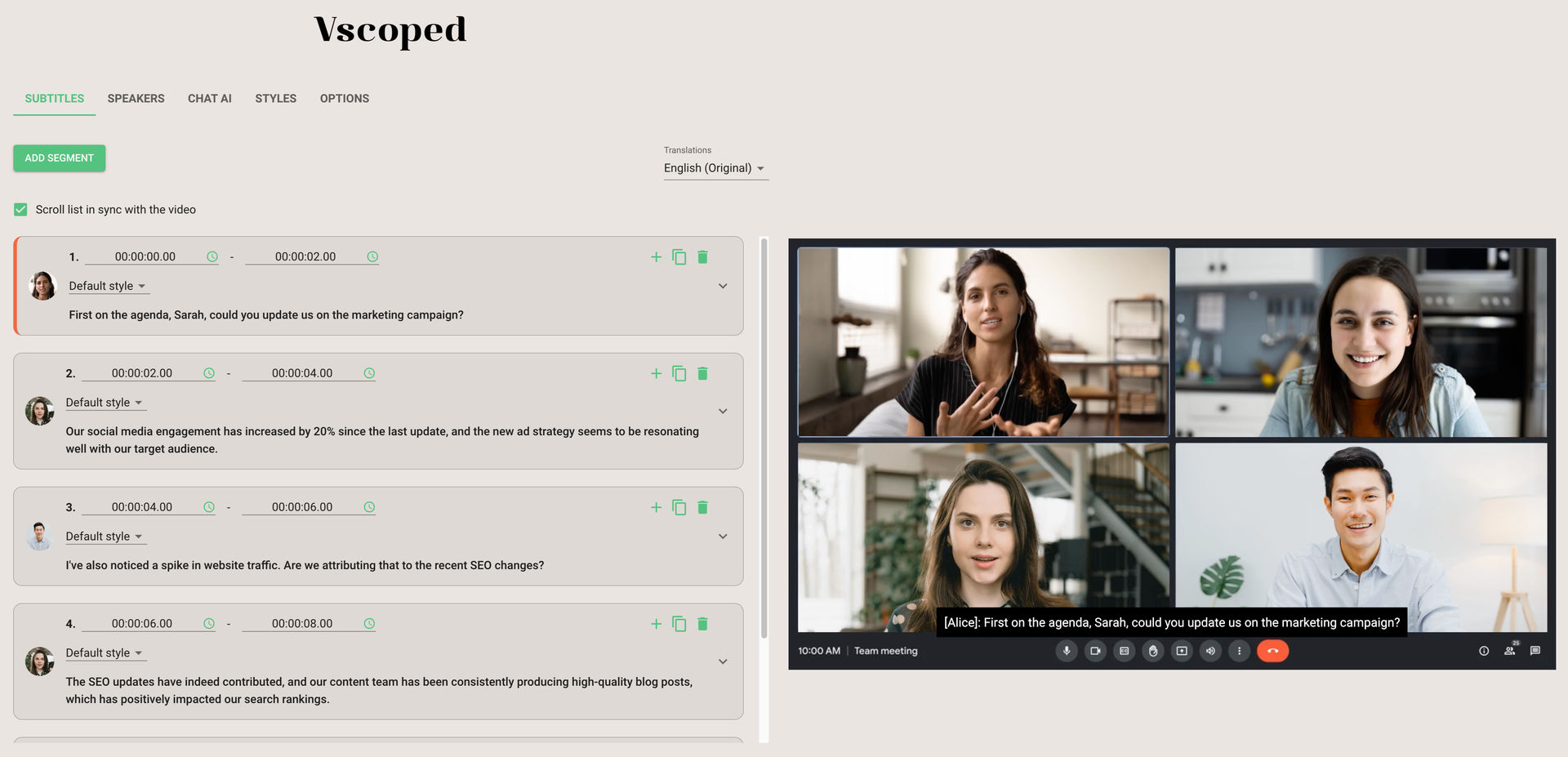
With advancements in technology and the rise of AI-driven translation tools, the process of translating content into Sindhi has become more accessible and efficient than ever before. These tools not only ensure accurate translations but also help preserve the nuances and cultural context of the language, making your content resonate with Sindhi speakers on a deeper level.
By embracing Sindhi translation, you not only break language barriers but also demonstrate respect for diversity and inclusivity. It shows your commitment to creating an inclusive environment where everyone has the opportunity to access information and engage with your content in their preferred language.
Whether it’s translating websites, documents, marketing materials, or communication channels into Sindhi, investing in language translation can open doors to new opportunities and foster meaningful connections with the Sindhi-speaking community. So why wait? Take the first step towards reaching a wider audience by translating your content into Sindhi today!
6 Essential Tips for Translating Texts into Sindhi Accurately and Effectively
- Understand the cultural context of the text to ensure accurate translation.
- Use a professional translator who is fluent in both English and Sindhi.
- Pay attention to nuances and idiomatic expressions for a more natural translation.
- Verify the accuracy of the translated text with native Sindhi speakers if possible.
- Ensure proper grammar, punctuation, and spelling in the translated content.
- Consider hiring a proofreader to review the final translated version for quality assurance.
Understand the cultural context of the text to ensure accurate translation.
To achieve accurate translation when converting content into Sindhi, it is crucial to grasp the cultural context embedded within the text. Understanding the cultural nuances, references, and idiomatic expressions present in the original content is essential to ensure that the translated message resonates authentically with Sindhi-speaking audiences. By delving into the cultural background of the text, translators can capture not just the literal meaning but also the underlying emotions and cultural significance, resulting in a more nuanced and accurate translation that truly reflects the essence of the original content.
Use a professional translator who is fluent in both English and Sindhi.
To ensure accurate and culturally sensitive translations into Sindhi, it is crucial to engage a professional translator who is fluent in both English and Sindhi. A bilingual translator with a deep understanding of both languages can effectively convey the nuances, context, and tone of the original content while maintaining the authenticity of the Sindhi language. By entrusting your translation needs to a skilled professional, you can rest assured that your message will be accurately and thoughtfully communicated to the Sindhi-speaking audience, fostering better engagement and connection.
Pay attention to nuances and idiomatic expressions for a more natural translation.
When translating content into Sindhi, it is crucial to pay attention to nuances and idiomatic expressions to ensure a more natural and authentic translation. By capturing the subtleties of the language, including cultural references and colloquial phrases, you can create a translation that resonates with Sindhi speakers on a deeper level. Incorporating these nuances not only enhances the overall quality of the translation but also helps convey the intended message accurately and effectively.
Verify the accuracy of the translated text with native Sindhi speakers if possible.
To ensure the quality and authenticity of the translated text into Sindhi, it is highly recommended to verify its accuracy with native Sindhi speakers whenever possible. Native speakers can provide valuable insights into the nuances of the language, cultural references, and idiomatic expressions that automated translation tools may overlook. By seeking feedback from native Sindhi speakers, you can enhance the overall quality of your translation and ensure that your message resonates effectively with the target audience.
Ensure proper grammar, punctuation, and spelling in the translated content.
It is crucial to ensure proper grammar, punctuation, and spelling in the translated content when translating into Sindhi. By maintaining linguistic accuracy and coherence, you not only convey your message effectively but also show respect for the language and its speakers. Attention to detail in grammar and punctuation enhances the readability and professionalism of the translated text, ensuring that your content resonates with Sindhi-speaking audiences authentically.
Consider hiring a proofreader to review the final translated version for quality assurance.
When translating content into Sindhi, it is advisable to consider hiring a proofreader to review the final translated version for quality assurance. A proofreader can help ensure that the translation accurately conveys the intended message, is free of errors, and maintains consistency in language and tone. By having a fresh set of eyes meticulously examine the translated content, you can enhance its overall quality and effectiveness, ultimately providing a polished and professional piece that resonates with Sindhi-speaking audiences.