The Role of AI in Natural Language Processing (NLP)
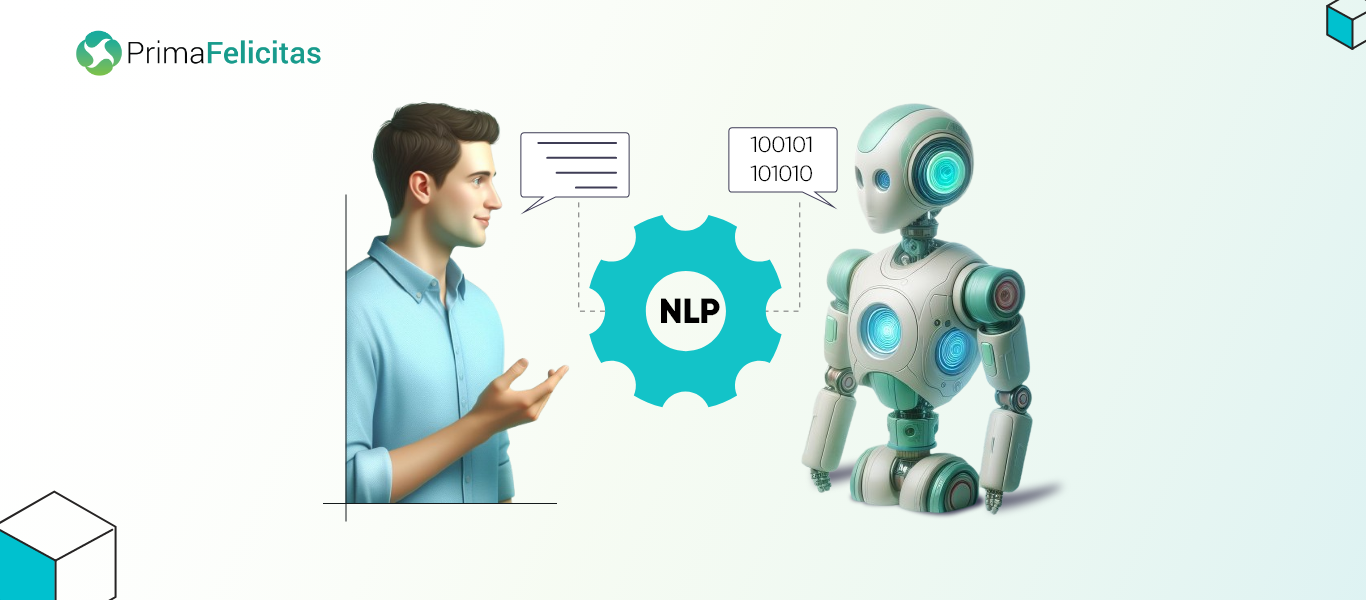
In recent years, artificial intelligence (AI) has made significant strides in various fields, and one of the most transformative areas has been Natural Language Processing (NLP). NLP is a branch of AI that focuses on the interaction between computers and humans through natural language. The goal is to enable machines to understand, interpret, and respond to human language in a way that is both meaningful and useful.
Understanding NLP
NLP combines computational linguistics with machine learning and deep learning models to process human language. It involves several tasks such as speech recognition, sentiment analysis, language translation, and text summarization. These tasks require a deep understanding of syntax, semantics, and context.
The Impact of AI on NLP
AI has revolutionized NLP by introducing algorithms that can learn from vast amounts of data. Machine learning models can be trained on large datasets to recognize patterns and make predictions based on new inputs. Here are some key areas where AI has impacted NLP:
- Language Translation: AI-powered translation tools like Google Translate have become increasingly accurate by using neural networks that mimic the way the human brain processes language.
- Sentiment Analysis: Businesses use AI-driven sentiment analysis tools to gauge public opinion about their products or services by analyzing social media posts and reviews.
- Chatbots: AI chatbots use NLP to understand customer inquiries and provide relevant responses, improving customer service efficiency.
- Speech Recognition: Virtual assistants like Siri and Alexa rely on NLP algorithms to understand spoken commands and perform tasks accordingly.
The Future of AI in NLP
The future of AI in NLP looks promising as researchers continue to develop more advanced models. One area of focus is improving contextual understanding so that machines can grasp nuances like sarcasm or idioms. Additionally, efforts are being made to create more inclusive systems that can process lesser-known languages with the same accuracy as widely spoken ones.
As technology advances, we can expect even more sophisticated applications of AI in NLP that will further bridge the gap between human communication and machine understanding.
Conclusion
The integration of AI into NLP has already transformed how we interact with technology in our daily lives. From enhancing communication across languages to automating customer service interactions, the possibilities are vast. As research continues to push boundaries, we are likely to see even more innovative solutions that will redefine our relationship with technology.
Understanding the Role of AI in Natural Language Processing: 7 Common Questions Answered
- How is AI used in NLP?
- What type of AI is NLP?
- Are AI and NLP related?
- Is NLP a form of AI?
- Why is NLP important in AI?
- Is Chatgpt llm or NLP?
- What is the goal of NLP in AI?
How is AI used in NLP?
AI is used in Natural Language Processing (NLP) to enable machines to understand, interpret, and generate human language in a way that is both meaningful and contextually relevant. By leveraging machine learning algorithms and deep learning models, AI can process large volumes of text data to recognize patterns and infer meaning. This capability allows for various applications such as language translation, where AI systems can convert text from one language to another with increasing accuracy. In sentiment analysis, AI helps identify the emotional tone behind texts, which is invaluable for businesses seeking to understand customer feedback. Additionally, AI powers chatbots and virtual assistants by interpreting user queries and providing appropriate responses. Overall, AI enhances NLP by making human-computer interactions more natural and efficient.
What type of AI is NLP?
Natural Language Processing (NLP) is a specialized area within the broader field of artificial intelligence that focuses on the interaction between computers and humans through natural language. It combines elements from several AI subfields, including machine learning, deep learning, and computational linguistics. Machine learning algorithms in NLP are often used to analyze and interpret human language data, allowing systems to learn from examples and improve over time. Deep learning, particularly neural networks, has significantly advanced NLP by enabling more sophisticated models that can understand context, semantics, and even nuances like sentiment or intent. Overall, NLP is a type of AI dedicated to enabling machines to process and respond to human language in a meaningful way.
Are AI and NLP related?
AI and NLP are closely related, as Natural Language Processing (NLP) is a subfield of Artificial Intelligence (AI). AI encompasses a broad range of technologies and techniques that enable machines to perform tasks that typically require human intelligence, such as learning, reasoning, and problem-solving. Within this framework, NLP focuses specifically on the interaction between computers and humans through natural language. It involves enabling machines to understand, interpret, and respond to human language in a meaningful way. By leveraging AI technologies like machine learning and deep learning, NLP can process and analyze large volumes of language data, facilitating applications such as language translation, sentiment analysis, and voice recognition. In essence, AI provides the foundational tools and methodologies that make advanced NLP applications possible.
Is NLP a form of AI?
Yes, Natural Language Processing (NLP) is a form of artificial intelligence (AI). NLP focuses on the interaction between computers and humans through natural language, aiming to enable machines to understand, interpret, and generate human language in a meaningful way. It combines elements of computational linguistics with machine learning and deep learning techniques to process and analyze large amounts of natural language data. By leveraging AI algorithms, NLP can perform tasks such as language translation, sentiment analysis, speech recognition, and text summarization. Essentially, NLP is a specialized branch within AI that deals specifically with the complexities of human language.
Why is NLP important in AI?
Natural Language Processing (NLP) is a crucial component of artificial intelligence because it enables machines to understand, interpret, and respond to human language in a meaningful way. This capability is essential for creating AI systems that can interact naturally with humans, making technology more accessible and user-friendly. NLP facilitates a wide range of applications, from virtual assistants and chatbots to language translation and sentiment analysis, all of which rely on the ability to process and analyze human language. By bridging the gap between human communication and machine understanding, NLP plays a vital role in the development of intelligent systems that can perform complex tasks, automate processes, and provide insights across various industries.
Is Chatgpt llm or NLP?
The frequently asked question about ChatGPT is whether it is an LLM or NLP. ChatGPT, developed by OpenAI, is a large language model (LLM) that utilizes natural language processing (NLP) techniques. In essence, ChatGPT combines the capabilities of both LLM and NLP to generate human-like responses in conversational settings. By leveraging advanced machine learning algorithms, ChatGPT can understand and generate text based on the input it receives, making it a powerful tool for various applications requiring natural language understanding and generation.
What is the goal of NLP in AI?
The goal of Natural Language Processing (NLP) in AI is to enable machines to understand, interpret, and generate human language in a way that is both meaningful and contextually relevant. By bridging the gap between human communication and computer understanding, NLP aims to facilitate seamless interaction between humans and machines. This involves tasks such as speech recognition, language translation, sentiment analysis, and text summarization. Ultimately, the objective is to create systems that can comprehend the nuances of language, including syntax, semantics, and context, allowing for more natural and intuitive interactions with technology.